RBA Hikes to 4.85% — Split Vote Breaks AUD Below 0.70
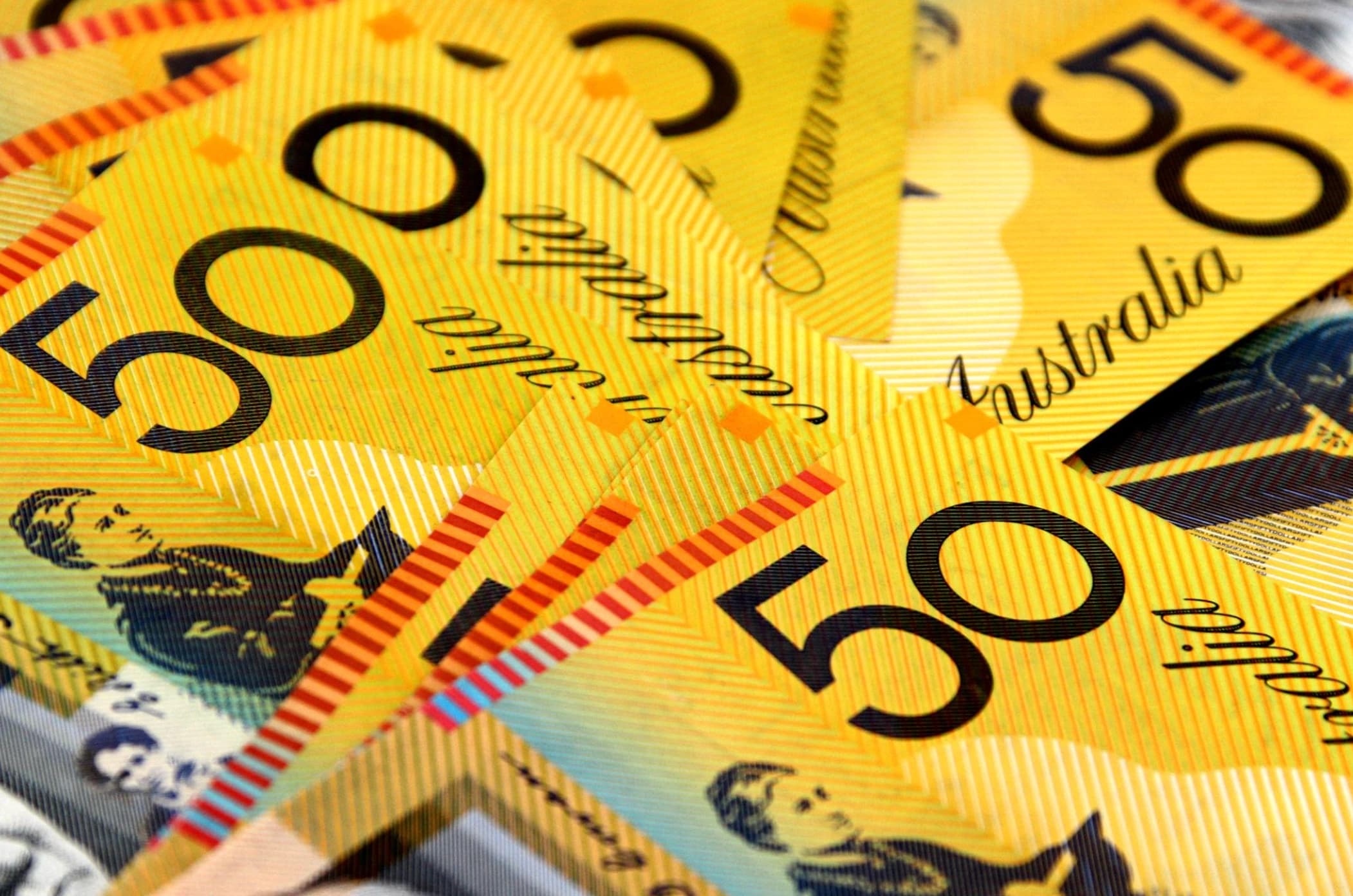
RBA raises cash rate 25bp to 4.85%, an 18-year high, but a 6-3 split vote signals December pause — AUD/USD falls below 0.70.
Key Points
- The RBA raised its cash rate 25bp to 4.85% — the highest since 2008 — but three of nine board members dissented, preferring to hold at 4.60%.
- A widening inflation gap drove the decision: headline CPI jumped to 4.3% in September while trimmed mean held at 3.6%, with the RBA warning inflation will stay above 3% for the coming year.
- The December 8 meeting is now the critical date — the split vote has materially shifted the odds toward a pause, and AUD/USD will track that repricing in real time.
The Reserve Bank of Australia hiked its cash rate 25 basis points to **4.85%** today — the fifth increase of 2026 and the highest rate since 2008 — but the vote was 6–3, and that minority is what broke AUD/USD below 0.70. When nearly a third of a central bank board votes to hold, the market doesn't price in the next hike. It prices in the last one.
The Hike That Came With an Asterisk
Six members got what the inflation data demanded. Australia's annual CPI accelerated to 4.3% in September from 4.0% in August, and trimmed mean inflation — the RBA's preferred core gauge — sat at 3.6%. That's a 70-basis-point spread between headline and core, and the direction of travel is wrong on both counts. The Board's own statement acknowledged that underlying inflation "remains broadly based," that capacity pressures are tighter than previously estimated, and that inflation is now expected to stay above 3% for at least the next year. With the Fed holding at 3.75%–4.00% and the ECB at 2.50%, the RBA at 4.85% is now running the most restrictive policy rate among the major English-speaking economies, and it got there by choice.
Three members did not think another 25 basis points was necessary. That dissent is not a procedural footnote — it's a policy signal. The RBA does not have a long tradition of fractured votes, and a three-way split at this level of the rate cycle communicates genuine uncertainty at the board level about how much further tightening the economy can absorb. The Board itself noted that "housing prices have fallen significantly and the unemployment rate has risen." They hiked anyway — but three members looked at the same data and blinked.
What the Economy Is Telling the Board
The RBA is navigating a classic late-cycle bind: inflation that remains sticky at 4.3% headline, a labor market loosening at the margin, and a housing market already under meaningful stress. The board's own language — acknowledging falling housing prices and rising unemployment in the same breath as an inflation overshoot — reads like an institution aware it may be tightening into a slowdown it helped engineer. This is not a new dynamic for central banks in 2026, but the Australian version is particularly acute given the country's elevated household debt-to-income ratios and the dominance of variable-rate mortgages in the domestic market.
Every 25bp increase at this point in the cycle has a more pronounced transmission effect than it did 12 months ago. Australian households with outstanding variable-rate mortgages are now servicing debt at a rate more than 400 basis points above where they were pre-tightening cycle. The RBA's own models show that lag effects from previous hikes are still working through the economy, which is precisely the argument the three dissenters used. The risk, as they see it, is that the board has already done enough — and won't know it until the data confirms it six to nine months from now, long after the damage is locked in.
What Traders Watch Next
The forward guidance embedded in today's statement is critical. The RBA's November forecasts incorporated roughly 35 basis points of additional tightening priced through mid-2027. That's less than two full hikes. Against the backdrop of a 6–3 vote, markets are now questioning whether even one more move materializes. AUD/USD breaking below 0.70 is the immediate expression of that repricing — a level that carries both technical and psychological weight for currency traders who have watched the pair oscillate in the 0.68–0.74 range for most of 2026.
The next RBA decision is December 8 — the same day as the Federal Reserve's December meeting begins. That calendar collision is not trivial. If the Fed moves on December 8–9 — and two FOMC members dissented at the October 28 meeting in favor of an immediate hike — the rate differential between the two countries compresses further, adding pressure on AUD. A Fed hike to 4.00%–4.25% while the RBA pauses at 4.85% would narrow the gap to 60–85 basis points, substantially less than the 85–110bp spread that has anchored AUD/USD in recent months.
The data between now and December 8 will be decisive. Australia's Q3 wage price index, due in mid-November, is the single print most likely to shift the December calculus. If wages accelerate above 4%, the three dissenters lose their argument and a sixth 2026 hike becomes live again. If wages cool toward 3.5% or below, the majority that voted for today's hike may itself fracture by December. Traders holding AUD exposure need to mark November 19 — the WPI release date — as the key interim trigger. A print above 4.0% YoY would be the earliest signal that December stays hot. Below 3.6% and AUD/USD could test 0.6850 as pause expectations become consensus. The 0.70 handle, broken today, now becomes resistance.
The Weekly Investor
Daily market analysis for active traders. Free.