Fed Speak Friday: Five Officials, One Question — 50bp in December?
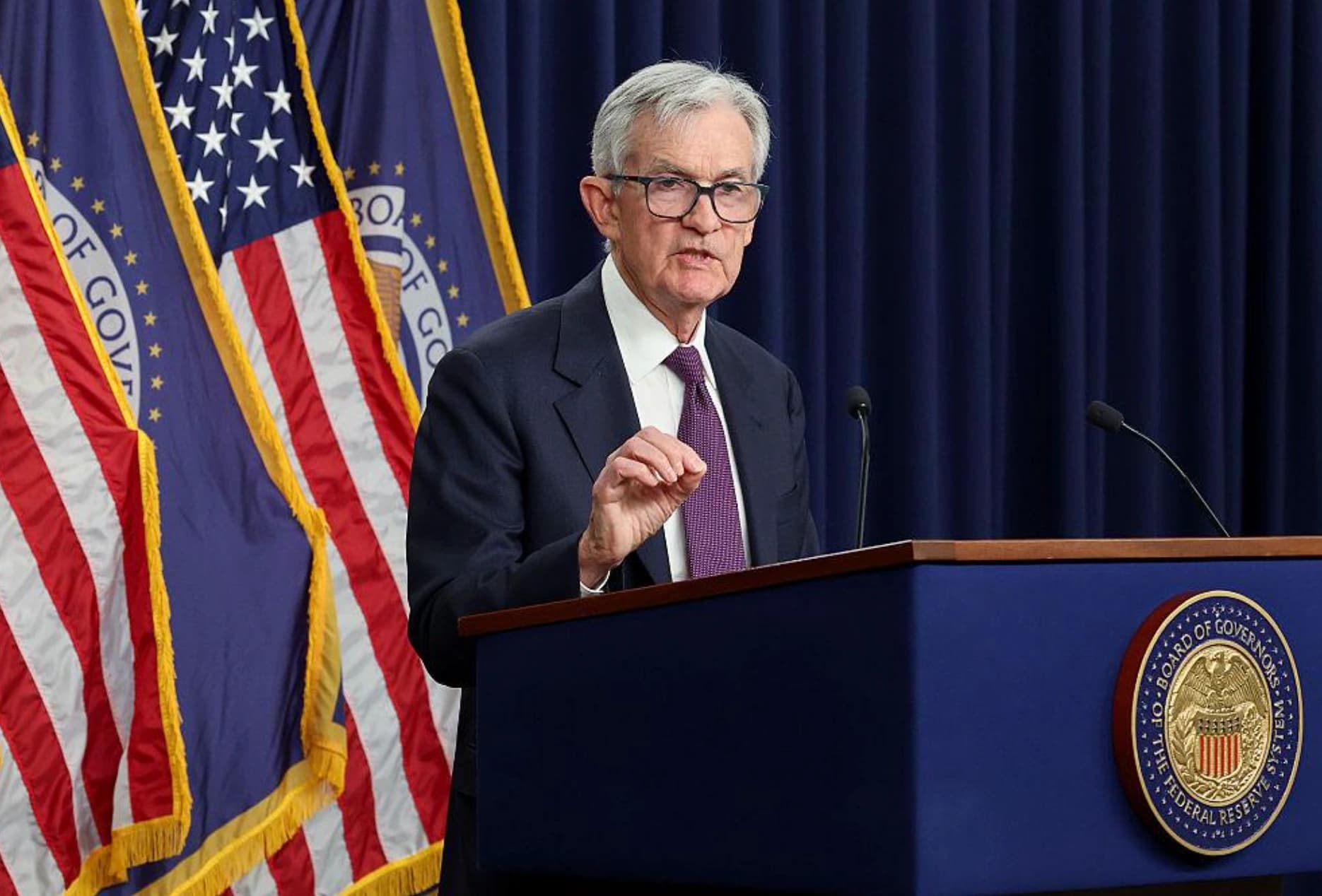
Five Fed officials speak today after a CPI beat and a PPI surprise. The 50bp December hike debate is live. What Bowman, Daly, and Jefferson say matters now.
Key Points
- Five Federal Reserve officials speak today, with the 50bp December hike probability sitting at 15% and rising after Tuesday's CPI beat.
- Fed Governor Waller pre-committed to advocating for 50bp if core CPI printed "around 0.3%" — it did — making today's speaker lineup a potential trigger event.
- The critical language to monitor is any reference to "pace" or "expedient" action, particularly from Vice Chair Jefferson at 7:00 PM ET.
Five Federal Reserve officials take the microphone today in what amounts to a coordinated stress test of the December rate decision, and the inflation data has handed them nothing to work with except ammunition for more. The 50 basis point probability for the December 8–9 meeting sits at 15% heading into this morning — low enough to move sharply, high enough to tell you the market is not dismissing it. Fed Governor Waller already pulled the trigger on his own rhetoric Tuesday: core CPI at 0.3% was his stated threshold for putting 50bp "on the table," and core CPI printed exactly 0.3%.
Why Today's Speaker Lineup Is a Live Market Event
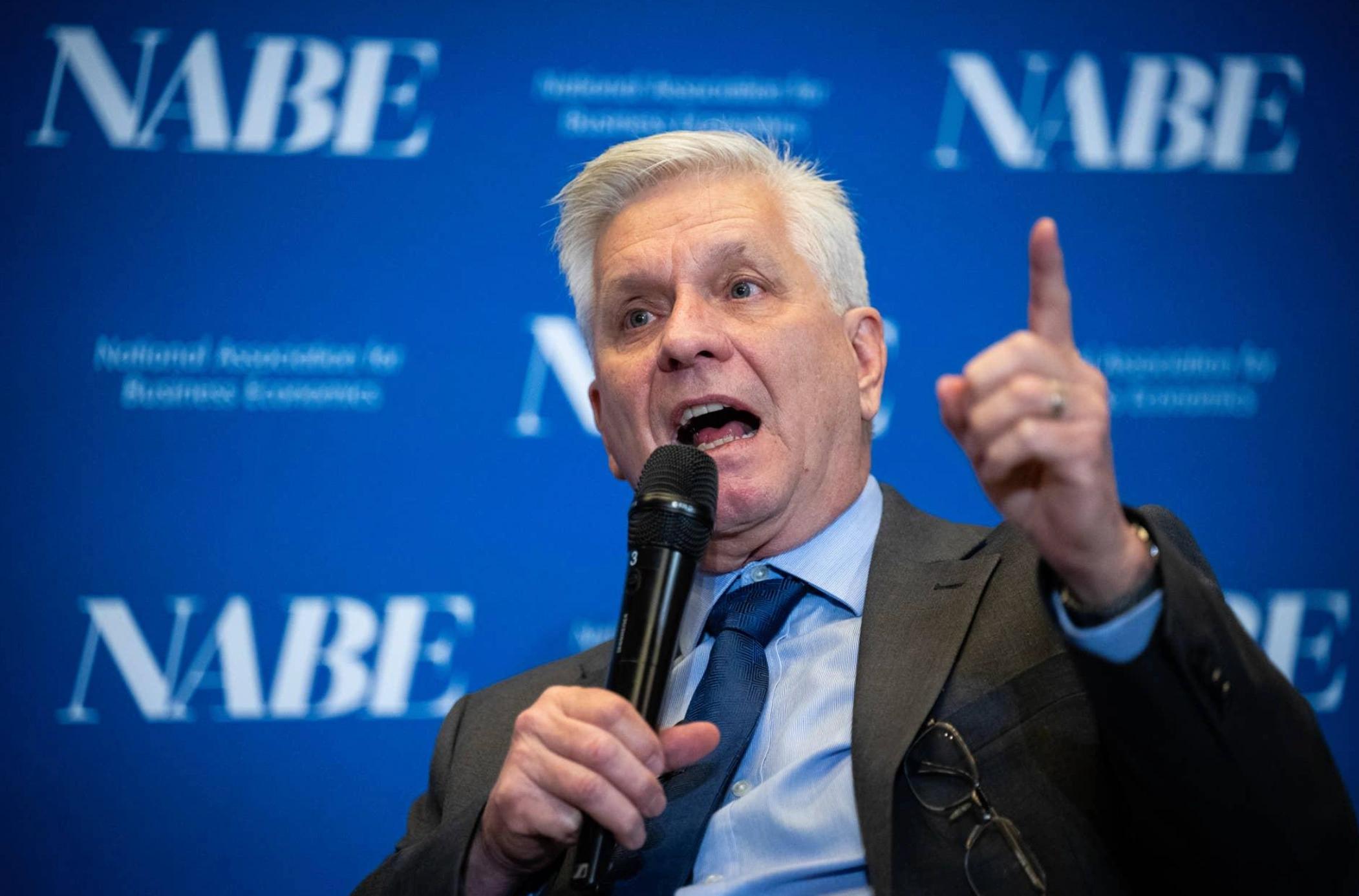
This is not a standard calendar of governors talking past the data. Each of the five officials speaking today carries a specific piece of the December puzzle, and the sequencing matters. Governor Michelle Bowman opens at 10:50 AM ET with the first post-PPI commentary of the day. Bowman has been consistently hawkish throughout 2026 and was among the first to signal discomfort with the pace of disinflation earlier this year. Her read on this morning's producer price data will set the tone for the afternoon session.
San Francisco Fed President Mary Daly speaks at noon and again at 5:00 PM — a rare double appearance that suggests she has something specific to communicate. Daly has historically occupied the centrist lane on the Committee, which makes her framing of the 50bp debate particularly important. If Daly acknowledges it as a live option rather than a tail risk, that is a signal the center of the FOMC has shifted, not just the hawks. Fed's Collins speaks at 2:10 PM and Logan at 2:40 PM, with Logan having already said publicly this week that the FOMC "needs to implement at least two more 25 basis point increases" — a baseline that is already more aggressive than what many expected heading into November.
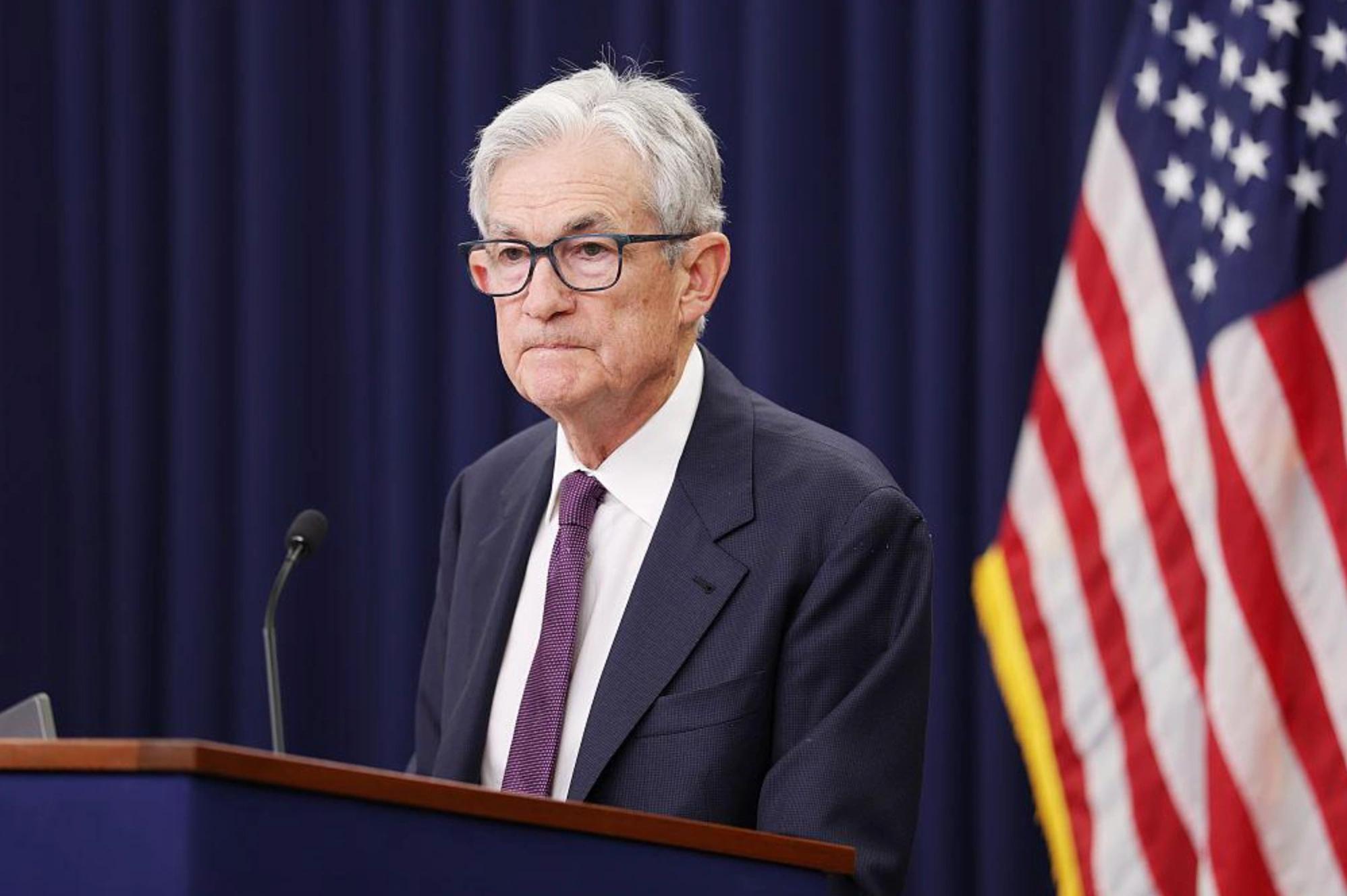
The evening anchor is Vice Chair Philip Jefferson at 7:00 PM ET. Jefferson is the second-ranking official at the Fed and speaks with institutional weight that regional presidents do not carry. As Vice Chair, Jefferson's public comments on pace and magnitude are the closest thing traders get to official Fed guidance outside of a press conference. His appearance after the full day of data and earlier Fed commentary means he has the opportunity — and arguably the obligation — to either validate or push back on the 50bp narrative that the morning data may have cemented.
The Architecture of a 50bp Consensus
Understanding where 50bp comes from requires understanding what has changed in the past 72 hours. Coming into Tuesday, the December meeting was a consensus 25bp hike with modest uncertainty. Then CPI printed 0.4% MoM against a 0.3% forecast, and core came in at 0.3% against 0.2% — and Waller moved the goalposts in real time by announcing he had already internalized that exact trigger. That is not a Fed governor talking theoretically. That is a governor announcing a decision function.
Logan's call for "at least two more" 25bp hikes — explicitly flagging December and January as a baseline — means the minimum credible path from the hawkish bloc is now 50 basis points of cumulative tightening in the next 60 days, regardless of whether it comes in one move or two. Schmid's characterization of the current rate as "fairly accommodative" is an explicit argument that real rates remain below neutral, which is the analytical foundation for continued front-loading. Goolsbee's "borderline disturbing" language is the most striking shift — Goolsbee has previously been the voice urging patience, and his rhetorical escalation suggests the data has moved even the Committee's moderates.
The implied rate market is pricing this architecture directly. Back-to-back 25bp hikes in December and January are above 100% implied probability — fully priced, meaning any incremental hawkishness today does not move the base case, it moves the tail. That tail is currently 15% for a single 50bp move in December. The distance to pricing three consecutive 25bp hikes through March 2027 is approximately 10 basis points on the front end of the OIS curve. That 10 basis points is what today's speakers have the power to close or preserve.
What Traders Watch Next
The specific language traders need to flag this afternoon is a cluster of three phrases that have historically preceded FOMC consensus shifts: "expedient," "pace of adjustment," and any reference to "not being behind the curve." Each phrase signals the Committee is discussing front-loading rather than gradual tightening. If Daly uses any of these at noon, expect the front end to react before Logan's 2:40 PM appearance. If Jefferson uses them at 7:00 PM, that is the Friday close signal for a full 50bp repricing into the weekend.
The bond market's response to the speaker sequence will be legible in TLT in real time. TLT is approaching its October floor around the $82–83 range, a level that has held twice in 2026. A break below that level on a Fed-speaker catalyst — not a data print — would be technically significant because it would mean the market is pricing the rate path higher on forward guidance alone, before the November 25 PCE print and before the December 8–9 decision itself.
CNBC's live Fed coverage will carry each speech in real time. The structural backdrop is also shifting: Chair Warsh's decision to reduce rate-setting meetings from eight to seven per year starting in 2027 compresses the future tightening calendar, which theoretically increases the pressure to move more aggressively in the remaining 2026 windows. December 8–9 is now not just the next decision — it may be one of the last full-calendar decisions under the old meeting structure, before a compressed 2027 schedule forces the Committee to consolidate its moves. For traders positioned in rates or long duration, the window between today's 7:00 PM Jefferson remarks and Tuesday's October retail sales print at 8:30 AM ET on November 17 is the most information-dense 72-hour stretch of the month.
The Weekly Investor
Daily market analysis for active traders. Free.