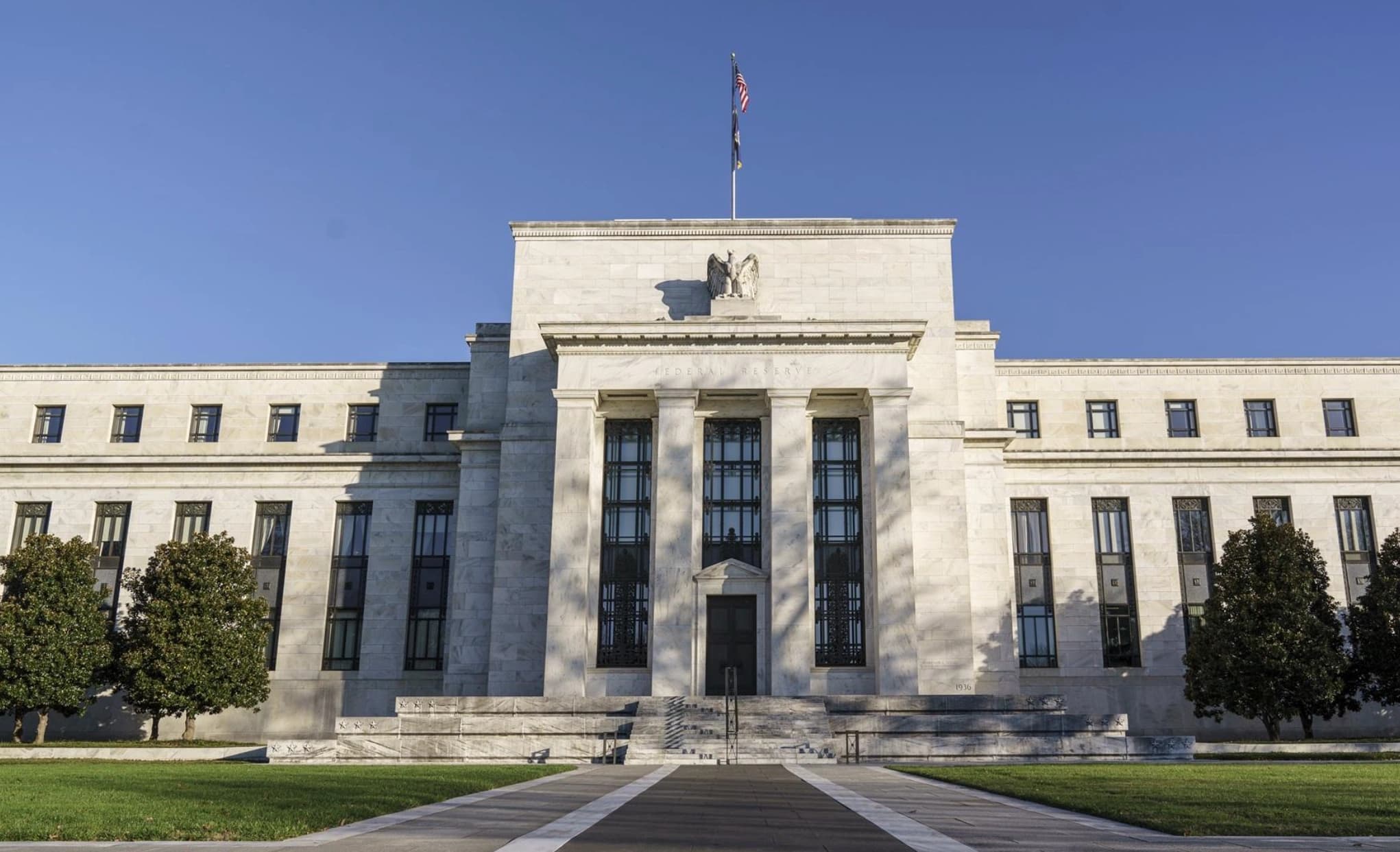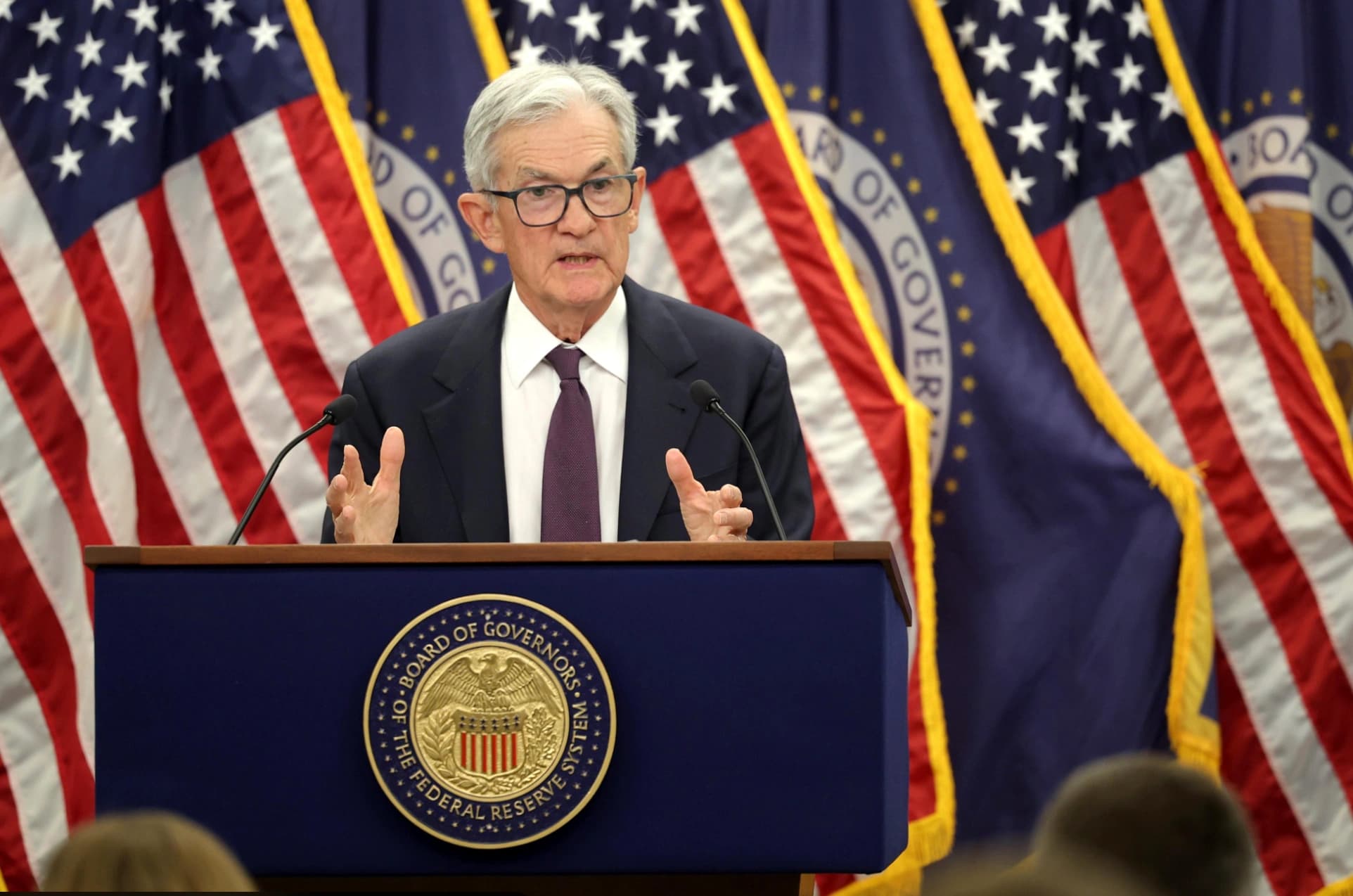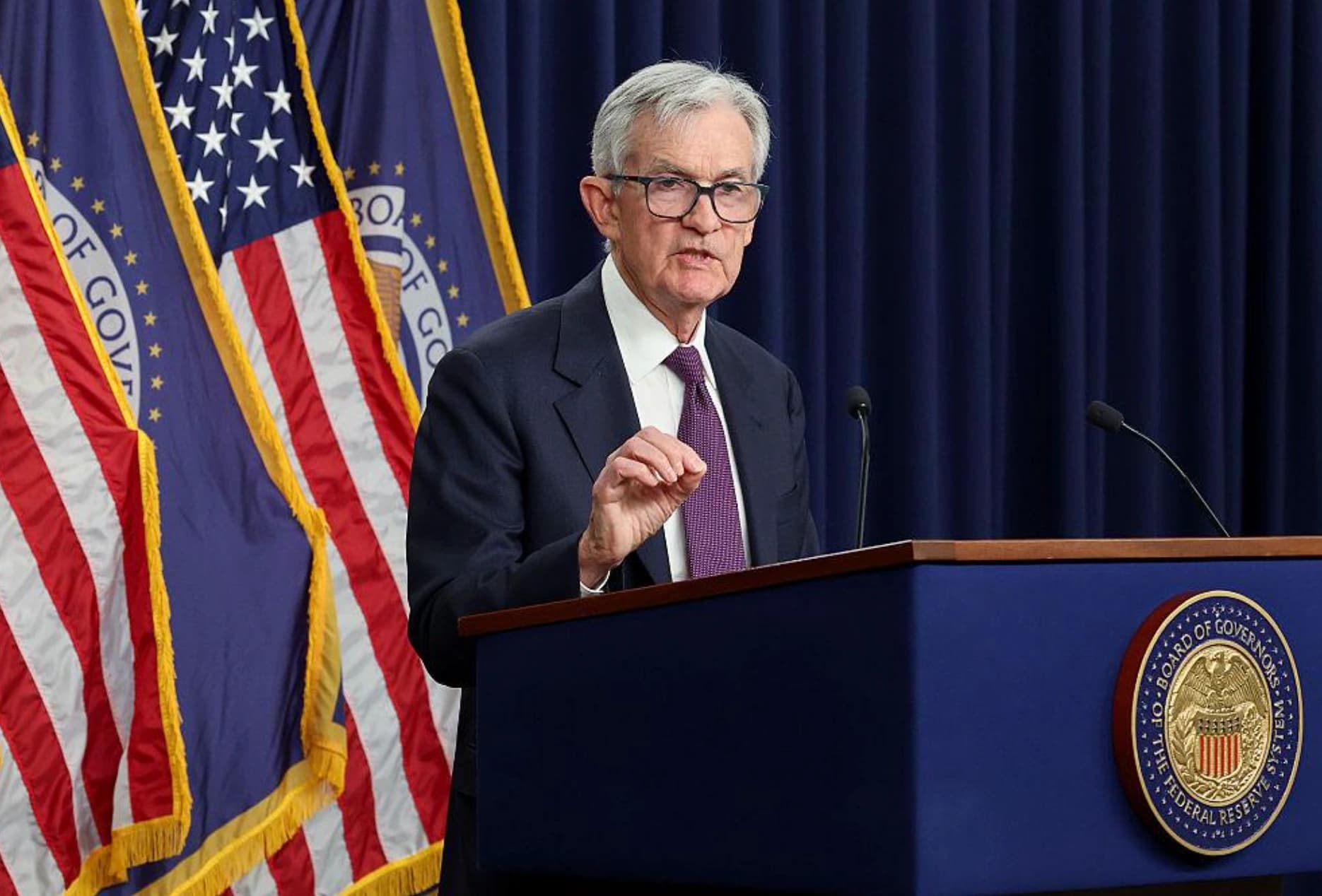
Fed Holds in October, But December Is Wide Open
Williams says one more hike is coming in 2026. With CPI on the tape and the Beige Book due at 2 PM, here's what actually decides the December FOMC call.
Key Points
- The Fed raised rates 25 bps to 3.75%–4.00% at its September 15–16 meeting — the first hike since 2023 — on a unanimous 12–0 vote, and 16 of 18 participants projected at least one more increase this year.
- New York Fed President Williams put a stake in the ground Tuesday: one more hike in 2026, none in 2027, with the neutral rate "not far off" — but that view is explicitly data-dependent and CPI-contingent.
- The Beige Book at 2:00 PM ET today and Retail Sales tomorrow morning at 8:30 AM are the next two inputs that will either validate or complicate the December-hike baseline.
The Federal Reserve's rate path just got its first real stress test of the fall. The FOMC raised the federal funds target to 3.75%–4.00% on September 16, the first increase since 2023, on a unanimous vote — and then New York Fed President John Williams walked up to a microphone on Tuesday and said, essentially, one more and we're done. That is a testable hypothesis. Today is the first day the data gets to push back.
The Rate Stance
Williams' Tuesday remarks were the most direct forward guidance the Fed has offered since September. He believes "disinflationary forces are at play," he sees the neutral rate as close, and he identified AI-driven capacity expansion as a long-term disinflationary force — even as the AI infrastructure boom creates near-term cost pressures through power demand and data center buildout. The framing was deliberate: the September hike was a risk-management move, not the opening salvo of a new tightening cycle. One more hike in December. No hikes in 2027. That is the Williams baseline.
It is not, however, the entire committee's baseline. St. Louis Fed President Alberto Musalem has stated explicitly that inflation is elevated and "more monetary policy firming will be required" — language that does not rule out October and does not commit to only one additional move. He is not a current voter, but his view represents a real faction. The September dot plot was unambiguous: 16 of 18 FOMC participants projected at least one more hike this year, and four of those 18 saw room for two more. Chair Warsh provided minimal forward guidance, deliberately preserving optionality. The phrase "not necessarily the start of an automatic series of hikes" is a hedge, not a commitment to pause.
The market's current read is a 77% probability of an unchanged rate on October 28. That pricing reflects the Williams framing, the Warsh optionality language, and the trajectory of incoming data — all of which, before this morning's CPI, pointed toward a December delivery rather than October. Julius Baer's Chief Economist David Kohl put institutional weight behind the same view: hold October, hike December, then reassess with moderating inflation trends through 2027. That consensus has held for three weeks. Today is where it either firms into conviction or starts to crack.
What the Data Actually Shows
Core PCE — the Fed's actual mandate gauge — has been sitting at 3.0% YoY for three consecutive months through August. That is 100 basis points above the 2% target, and it has not moved. That stickiness is the entire justification for the September hike, and it is the variable that makes December live rather than theoretical. The Fed does not hike into falling core inflation; it hikes to break a plateau. Three months at 3.0% is a plateau.
The labor market adds context without resolution. The September unemployment rate is 4.2%, with 7.1 million unemployed. Youth unemployment sits at 9.9%. These are not the numbers of an overheating labor market, and Williams explicitly said the U.S. economy is "not overheating overall." But the wage data embedded in those employment figures — particularly in services sectors — has been sticky enough to keep core services ex-shelter elevated. That is the component the Fed watches most closely because it is the most direct transmission from labor costs to sustained inflation. A cooling in that measure is what clears the path for a genuine pause after December.
Today's Beige Book, dropping at 2:00 PM ET, will be the first qualitative read on whether the regional economies are absorbing the September hike or still running hot enough to justify December. The last Beige Book reprised a solid growth profile with ongoing labor demand. The question for today's edition: is business optimism holding, and are firms still passing energy and input cost increases through to consumers? If the Beige Book describes broad-based pricing power in services — hotels, restaurants, professional services — it validates the December hike case. If it shows pricing pressures concentrated in energy with evidence of absorption elsewhere, it supports the Williams "one and done" framing.
What Traders Watch Next
The two Fed speakers today carry asymmetric weight. Governor Michelle Bowman spoke at 5:40 AM ET, ahead of the CPI print — her remarks were pre-data and therefore carry less signal on the committee's immediate reaction. Richmond Fed President Thomas Barkin's fireside chat at 1:30 PM ET is the more important event. Barkin speaks after the CPI data has had five hours to settle into market pricing, after traders have had time to parse the sub-components, and before the Beige Book lands 30 minutes after his session ends. Any shift in his tone — more hawkish than his recent statements, or notably more comfortable with the inflation trajectory — will reprice the December probability in real time.
The global central bank backdrop is not neutral. The ECB raised its deposit rate 25 bps at its September meeting, citing a deteriorating inflation outlook, with the rate now at 2.65%. The Bank of England is holding at 3.75%, threading the needle between elevated inflation and weaker growth. The Bank of Japan is at 1.0% with its next decision on October 30. These are not independent variables for the Fed — dollar strength driven by a widening rate differential with the ECB and BoE has global capital flow implications, and a DXY near 18-month highs creates its own disinflationary impulse through import prices. Williams flagged this dynamic implicitly when he cited disinflationary forces; a strong dollar is one of them.
The BLS release schedule shows Retail Sales for September hitting at 8:30 AM ET tomorrow, October 15. A strong retail number — say, month-over-month above 0.5% — would signal consumer resilience that keeps demand-side inflation pressure alive and firms the December hike. A weak print, particularly in core retail ex-autos and gas, would support the Williams view that the economy is not overheating and that one more hike is sufficient. The sequence matters: CPI today, Retail Sales tomorrow, Q3 GDP advance estimate on October 29 — one day after the FOMC announces its October decision. By the time December arrives, the Fed will have a nearly complete Q3 data picture. The level that matters most between now and then: if core PCE for September, due in late October, prints at 2.8% or below, the December hike becomes genuinely debatable rather than near-certain. Anything at 3.0% or above keeps Williams' one-more-hike call intact and puts 4.00%–4.25% on the table before year-end.
The Weekly Investor
Daily market analysis for active traders. Free.