Fed Holds at 3.75%–4.00% — December Hike Is the Real Decision
The FOMC holds rates steady today, but Chair Warsh's 2 PM statement language on December is the only number traders need to watch right now.
Key Points
- The Fed is holding at 3.75%–4.00% today, but OIS markets price 74.3bp of additional hikes over the next 12 months, with 79% odds of a December move on Kalshi.
- September's collapse to just +29,000 payrolls pushed the expected hike from October to December, but Q4 CPI tracking at a 5.35% annualized rate gives the hawks every justification to keep tightening.
- Watch Chair Warsh's exact characterization of September's rate increase — if he drops the "risk-management adjustment" framing, December is effectively locked in.
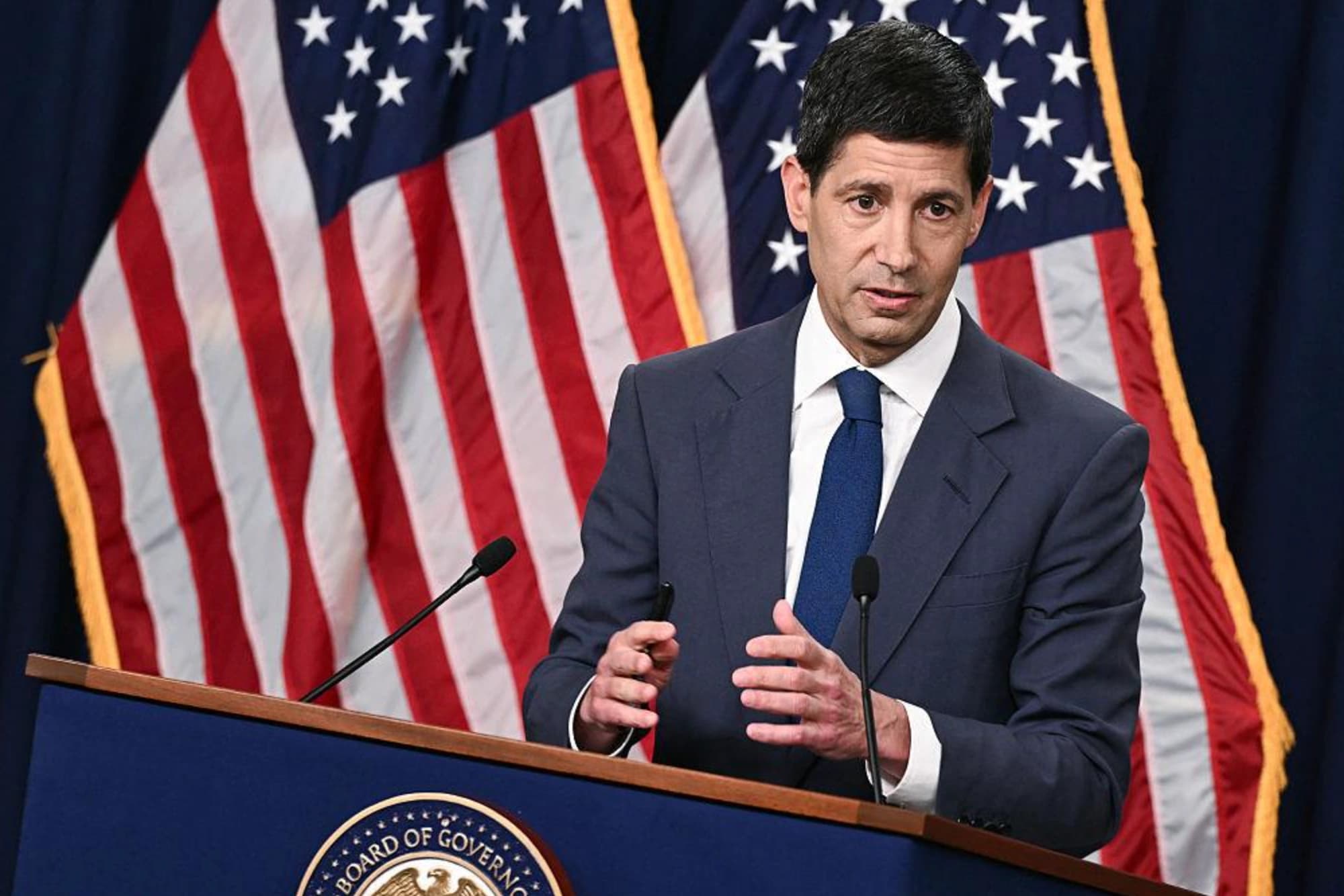
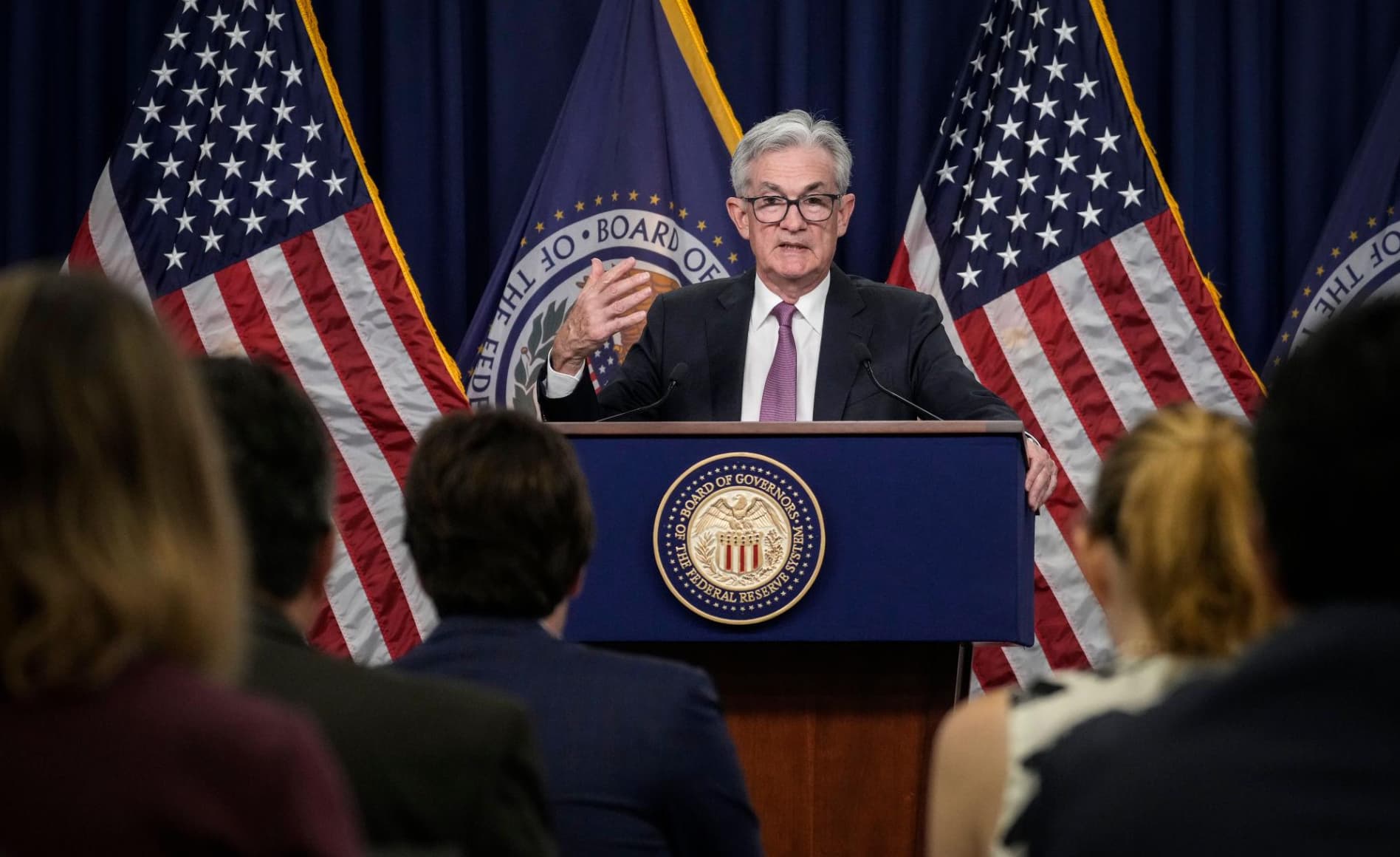
The only number that matters today isn't the rate decision — that's already priced at 90%+ odds of no change. It's the 84 words or so in the FOMC statement that describe what the Committee sees coming next. Chair Kevin Warsh steps to the podium at 2:30 PM ET after a 2:00 PM statement release, and the question he must answer — whether he plans to or not — is whether December 9 is a live hike date or a hall pass.
The Setup Warsh Inherited
The Fed's September 16 hike of 25 basis points — its first since July 2023, lifting the target range to 3.75%–4.00% — landed in the middle of a deteriorating labor market and an accelerating inflation print. That combination has no clean policy answer, and Warsh knows it. The Committee's October 7 minutes showed "most participants" viewed another increase as likely appropriate by year-end. But those minutes predated the September jobs report, which printed a near-catastrophic +29,000 — one of the weakest months since the pandemic, with July having already posted an outright contraction of -10,000. The 3-month average payroll gain has collapsed to just +51,000 per month, a level that in any other inflation environment would be screaming for rate cuts, not hikes.
Yet the inflation data leaves the Fed no room to pivot. September CPI came in at 3.7% year-over-year, driven in part by oil prices surging on the back of the U.S.-Iran conflict. More alarming is the Cleveland Fed's nowcast for October: headline CPI tracking at 3.75% YoY, with the quarterly annualized pace of Q4 CPI running at a blistering 5.35%. Core CPI on that same annualized basis is tracking 3.02% — above the Fed's 2% target by a full percentage point. The PCE gauge, the Fed's preferred inflation measure, sat at 3.4% overall and 3.0% core as of August, with the 3-month annualized trend on core PCE having briefly touched 2.0% before the energy shock reset the trajectory. Warsh pledged in an August 28 speech to return inflation to 2% "at sufficient speed." The data since that speech has not given him an exit ramp.
The real economy is flashing simultaneous contraction and inflation signals that have no modern policy template. Econvitals' weekly composite of 14 activity indicators shows the economy tracking -0.7 standard deviations below normal — meaningfully weak — while inflation runs +2.1 standard deviations above historical norms. That is a textbook stagflationary split, and it is precisely the environment in which central banks make their most consequential and most costly mistakes. The Q2 GDP print was 2.2% annualized, and Q1 was revised up to 2.5%, but the Atlanta Fed's GDPNow tracker had Q3 pegged at 3.4% as of Monday, October 26 — a number that, if the advance estimate confirms it when released imminently, gives hawks the growth cover to keep hiking.
What the Statement Must Say
There are three specific things traders need to extract from the 2:00 PM statement and the 2:30 PM press conference. First: does the Fed retain or retire the phrase characterizing September's hike as a "risk-management adjustment"? If that language disappears, it signals the Committee views tightening as ongoing and data-dependent rather than episodic — and December moves from 79% priced to effectively certain. Second: does the statement acknowledge the deterioration in September payrolls, and if so, does it frame that deterioration as cyclical or as noise in the context of broader inflation risk? A "noise" characterization would be unambiguously hawkish. Third: does Warsh explicitly keep December live, or does he pull a Williams — New York Fed President John Williams signaled pre-blackout preference for a hold even before seeing September's inflation data, a position that reads differently now that Q4 CPI is tracking above 5% annualized.
The blackout period began October 17, so there has been no Fed communication for 11 days. That silence has allowed market narratives to congeal around a December hike without any pushback from policymakers. OIS pricing this morning shows a 10% probability of a hike today — effectively zero — but prices 74.3 basis points of total hikes over the next 12 months. That is almost exactly three quarter-point moves. The question is whether Warsh validates that pricing or attempts to cool it. Given the inflation trajectory, cooling it would require language that the data simply doesn't support. A survey of 100 economists by Reuters found all 100 expect a December hike — the consensus is not split on direction, only on timing and pace.
The bond market has been making its own policy statement all month. Long-duration Treasuries have sold off as investors demand more term premium to compensate for inflation uncertainty and fiscal risk. TLT, the 20+ year Treasury ETF, has reflected that repricing in real time. The dollar index has held firm amid the hawkish global backdrop, but FX traders will be watching whether Warsh's tone shifts the relative rate differential calculus against the euro and yen — both of which have their own central bank decisions this week.
What Traders Watch Next
The immediate trade is a volatility play around the 2:00 PM statement and 2:30 PM press conference. Any language that walks back the December hike expectation — a genuine dovish surprise given consensus — would hit the short end of the Treasury curve hard, flatten the 2s10s spread, and likely lift equities and pressure the dollar. The base case — a clean hold with December kept live — is priced, meaning the reaction should be muted at the headline level but sensitive to the exact adjectives Warsh uses around inflation persistence and labor market resilience. A hawkish surprise, in which Warsh signals October was a closer call than markets assumed, would steepen the curve, extend the TLT selloff, and reinforce the dollar bid.
Beyond today, the calendar sets the next major decision point: the advance Q3 GDP estimate is due imminently, and a 3.4% print confirming the GDPNow tracker would materially shift the December debate. If growth holds above 3% and CPI stays above 3.7%, the case for a December hike at the December 9 meeting is airtight. The number to watch at 2:00 PM ET today is not the rate — it's the sentence count dedicated to inflation versus labor markets in the statement. More sentences on inflation persistence than on labor weakness is the signal. Warsh has one opportunity to frame December without violating the blackout's spirit through the statement itself. The market will read every word.
The Weekly Investor
Daily market analysis for active traders. Free.