Fed Holds Today — Warsh's Words Tomorrow Move Markets
The FOMC holds rates at 3.75–4.00% as expected, but Chair Warsh's press conference Wednesday is the real trade with December hike odds in play.
Key Points
- The FOMC enters Day 1 of its two-day meeting with the fed funds target at 3.75–4.00%, and consensus probability of a hold sits below 30% for a hike — but the Cleveland Fed's Q4 CPI nowcast of +5.35% annualized makes a dovish tone nearly impossible to sustain.
- September CPI came in at +0.6% MoM and +3.7% YoY — the hottest monthly print in months — stripping Warsh of any credibility if he leans neutral at tomorrow's 2:30 PM ET press conference.
- Watch the dollar index at Wednesday's 2:00 PM ET announcement and parse every word of Warsh's prepared statement for explicit December hike language versus data-dependence hedging.
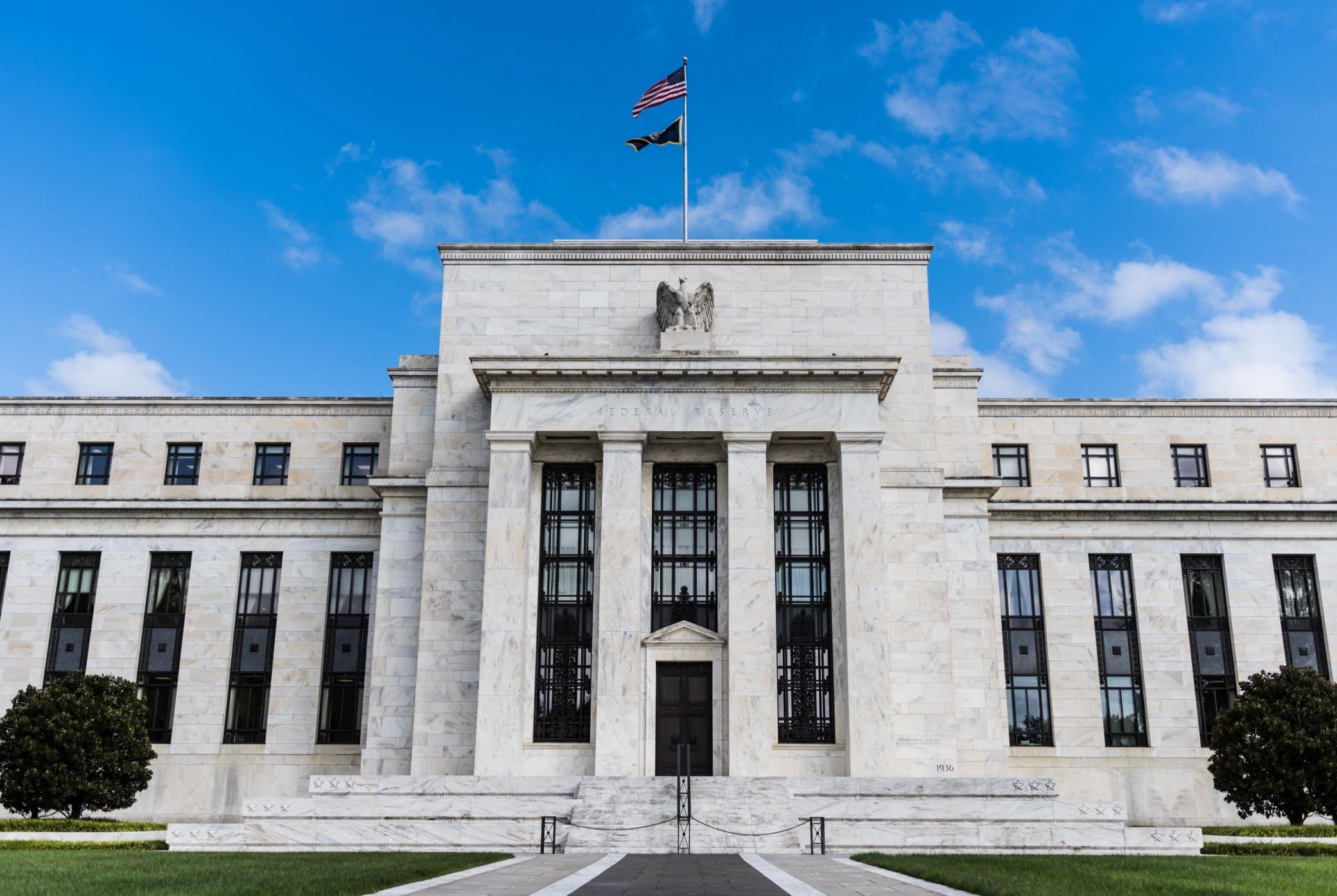
The Federal Reserve's two-day FOMC meeting opened this morning with the Board of Governors convening at 9:30 AM ET in a closed session — and the rate decision itself is already a foregone conclusion. What is not settled is what Chair Kevin Warsh says at 2:30 PM ET tomorrow, and that is the only number traders need to have circled on their calendars.
The Fed's Impossible Messaging Problem
A hold at 3.75–4.00% is the near-certainty outcome, but do not mistake certainty for simplicity. Warsh walks into the Eccles Building's press briefing room tomorrow carrying the most combustible combination of data the Fed has faced in this tightening cycle: a September CPI print of +3.7% YoY with a +0.6% monthly surge, a core reading of +2.6% YoY that beat estimates in the wrong direction, and a Cleveland Fed nowcast showing October CPI tracking at +3.75% YoY with Q4 CPI annualized at a scorching +5.35%. Those are not numbers that give a central banker license to sound patient.
The pivot toward a hold was driven by dovish signals from three Fed heavyweights — NY Fed President Williams, Vice Chair Jefferson, and Governor Waller — all of whom publicly suggested in late September and early October that "we can wait a bit longer." That trio's commentary collapsed the probability of an October hike from above 70% to under 30% in roughly two weeks. Markets repriced accordingly. The dollar retreated, Treasuries stabilized, and equities took the path of least resistance higher. Now Warsh must either validate that repricing or shatter it.
The core problem is that the Fed bought itself time with dovish language but did not buy itself better data. Gasoline alone accounted for more than half of September's monthly CPI increase, surging +9.1% — a number that is both real and politically visible. Bank of Canada Governor Macklem flagged this week that he is revising his inflation forecasts "significantly higher" due to elevated crude and petroleum prices, and Canada's situation is not isolated. Energy is a global transmission mechanism, and it is running hot heading into Q4.
What the Data Is Actually Telling Warsh
The Atlanta Fed's GDPNow tracker had Q3 running at 3.5% as of the latest update — an economy that is not breaking. South Korea's Q3 GDP beat this morning at +1.0% QoQ versus the +0.7% consensus, China's industrial profits surged +14.4% YoY in September versus +4.2% prior, and Japan's Services PPI held at +3.7% YoY. The global growth picture is not screaming for central bank mercy. These are not the conditions under which a Fed chair can credibly pivot toward accommodation.
Domestically, today's data calendar is secondary to tomorrow's decision but not irrelevant. The FHFA House Price Index for August, due at 1:00 PM ET, is expected to print +0.1% MoM — a deceleration from the prior +0.3% — and the S&P/Case-Shiller consensus is mildly negative at -0.1% MoM. Cooling housing prices give Warsh a small narrative tool: he can point to rate-sensitive sectors showing the transmission mechanism is working. ADP Weekly Employment Change, due at 12:15 PM ET, had a prior reading of 18.5K — modest enough to avoid alarming hawks but not weak enough to justify emergency patience. The Dallas Fed Services Index for October, with a prior reading of -1.8, will be released at 2:30 PM ET and is likely to land without major market impact given the FOMC's gravitational pull on all other data this week.
Glenmede's Jason Pride and Michael Reynolds put the case for patience cleanly: "the Fed can afford to remain patient as it weighs persistent price pressures against continued economic resilience." That framing is Warsh's best available script — not because the data supports easy money, but because additional data into year-end should clarify whether September's inflation spike was a gasoline-distorted outlier or the leading edge of a broader re-acceleration. The problem with that script is that the Cleveland Fed's nowcast has already answered the question for October, and the answer is not reassuring.
Markets have priced in at least three more rate hikes over the next 12 months. That is the macro environment in which Warsh must calibrate his language — too hawkish and he endorses a rapid hiking path that risks cracking a 3.5% GDP economy; too neutral and he risks being perceived as falling behind the curve again, which is precisely the institutional credibility scar the Fed spent 2022 and 2023 trying to heal.
What Traders Watch Next
The dollar index is the cleanest real-time read on how the market interprets Warsh's press conference, and the setup is binary. A hawkish hold — defined specifically as an explicit signal that December's meeting is "live" for a 25 basis point increase — pushes DXY through recent resistance and hammers TLT, which has been range-bound as traders wait for directional clarity. A neutral hold that leans on "data-dependent" language without a December commitment is the path of least resistance for equities and gives bond bulls a brief reprieve, but it will not hold if the October CPI print — released in mid-November — validates the Cleveland Fed's +3.75% YoY nowcast.
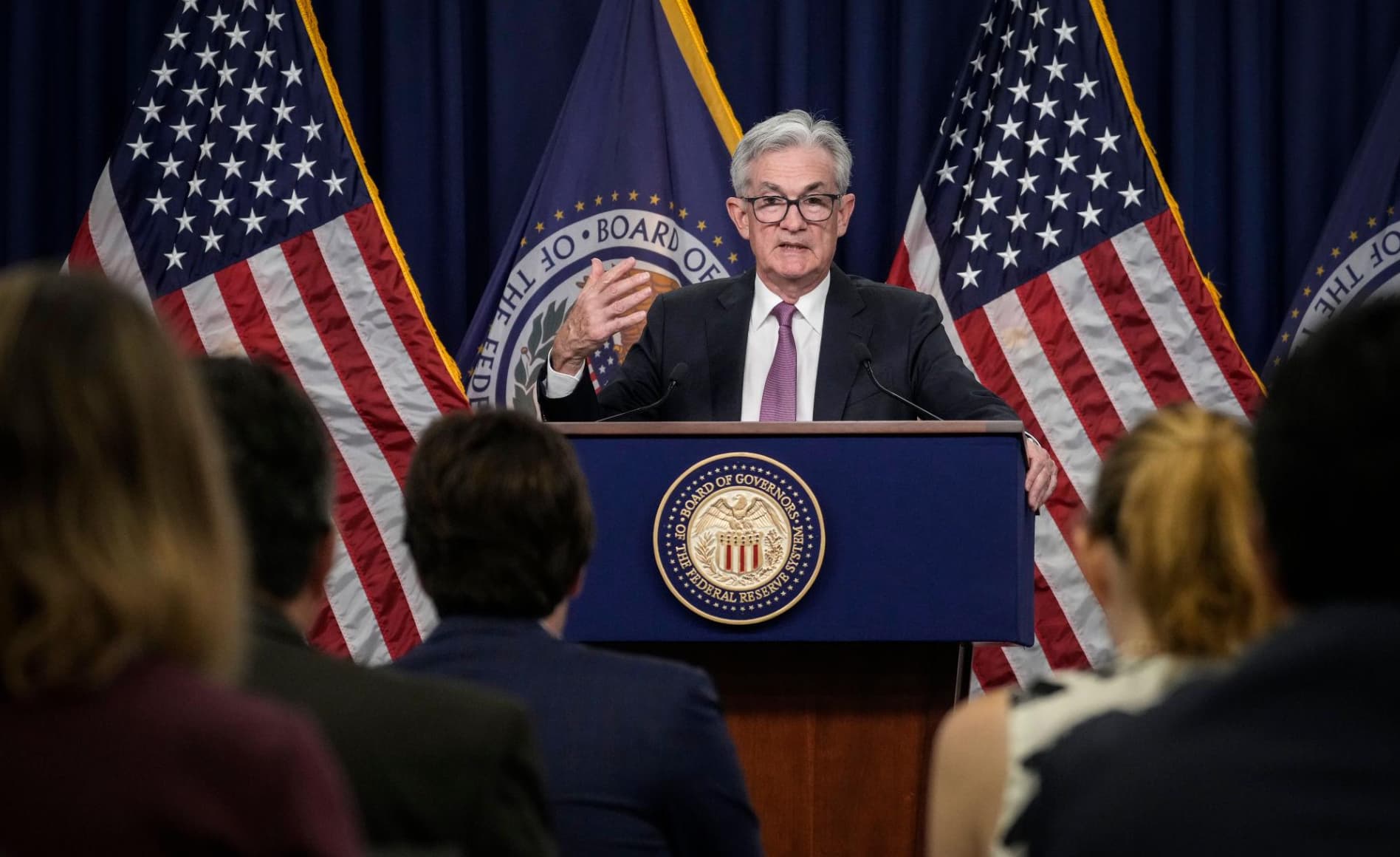
The press conference at 2:30 PM ET tomorrow is the operational focal point. Watch Warsh's prepared statement first: if the phrase "further policy firming may be appropriate" appears without temporal qualification, that is a December hike signal in Fed-speak. If it is paired with "depending on incoming data," the market will split on interpretation and volatility will be the trade. The September FOMC voted 12-0 to hike 25 basis points — unanimous decisions give a chair less political room to go soft in public remarks, because there is no dissent to hide behind.
The remainder of Central Bank Super Week adds context. The RBNZ and Bank of Canada are both expected to raise 25 basis points on Wednesday — two G10 central banks hiking on the same day the Fed holds is a coordination signal the dollar market will read carefully. If Warsh holds and sounds neutral while the RBNZ and BoC hike, that is a short-term dollar negative that currency traders will not leave on the table. The ECB holds Thursday at 2.50% with 70 of 73 surveyed economists calling for no change. The BoJ holds Friday at 1.25%, universally expected, though its inflation forecast upgrade will matter for yen direction into year-end. For Fed watchers, the December 16 FOMC decision is the next hard date — and by then, two more CPI prints, one more jobs report, and the Q3 GDP final read will either build or destroy the case for 4.25%.
---
The Weekly Investor
Daily market analysis for active traders. Free.