October PPI Preview: 6.6% Print Could Force 50bp Fed Move
October PPI drops at 8:30 AM ET with consensus at 6.6% YoY. A beat could cement a 50bp Fed hike on December 8-9. Here's what traders need now.
Key Points
- Consensus expects October headline PPI at 6.6% YoY, which would be the fastest annual producer price acceleration since November 2022.
- Fed Governor Waller explicitly said a core CPI print "around 0.3%" should put 50 basis points on the table — it printed exactly 0.3% on Tuesday.
- If today's PPI confirms or beats 6.6%, watch for the 50bp probability — currently at 15% — to reprice materially before Monday's open.
This morning's October PPI release from the BLS is the last major inflation data point before the December 8–9 FOMC meeting, and the stakes couldn't be higher: consensus sits at 6.6% year-over-year, up from September's 6.3%, which would mark the hottest annual producer price reading since November 2022. The 10-year Treasury yield is already parked at 5.134%, the Fed's most hawkish voices have spent this week loading the December chamber, and a single data point now separates markets from a full 50 basis point repricing.
The Setup Coming In
Tuesday's CPI print did the first round of damage. Headline CPI rose 0.4% month-over-month against a 0.3% forecast, with core running at 0.3% against an expected 0.2%. Food added 0.5%, energy tacked on 0.7% after a 5.2% surge in September, and shelter refused to cooperate with any softening thesis. The BLS couldn't publish 12-month CPI rates because of a government funding lapse, but the monthly trajectory was unambiguous: inflation is not decelerating on any timeline that matters to a central bank meeting in 26 days.
The PPI follows a different transmission path than CPI but feeds directly into the Fed's preferred PCE inflation gauge — particularly through healthcare services, portfolio management fees, and airfares. When producer prices run hot, they don't stay at the factory gate. The October pipeline data, if it validates the 6.6% consensus, tells the Fed that the same energy and food pressures that beat CPI estimates are running even deeper into the production chain. That is not a data point Jerome Powell's successor Kevin Warsh can walk away from with a 25bp and a promise to watch.
The monthly deceleration baked into consensus — from 1.3% MoM in September to 0.4% in October — sounds like relief until you read the annual rate. A 0.4% monthly print on top of an already elevated base still compounds into a 6.6% year-over-year number. Core PPI is forecast to hold at 5.0% YoY and slow to 0.3% MoM from 0.7%, but five consecutive months above 4.5% core at the producer level tells you the pipeline has not broken. It has paused.
The Fed Has Already Told You What It Will Do
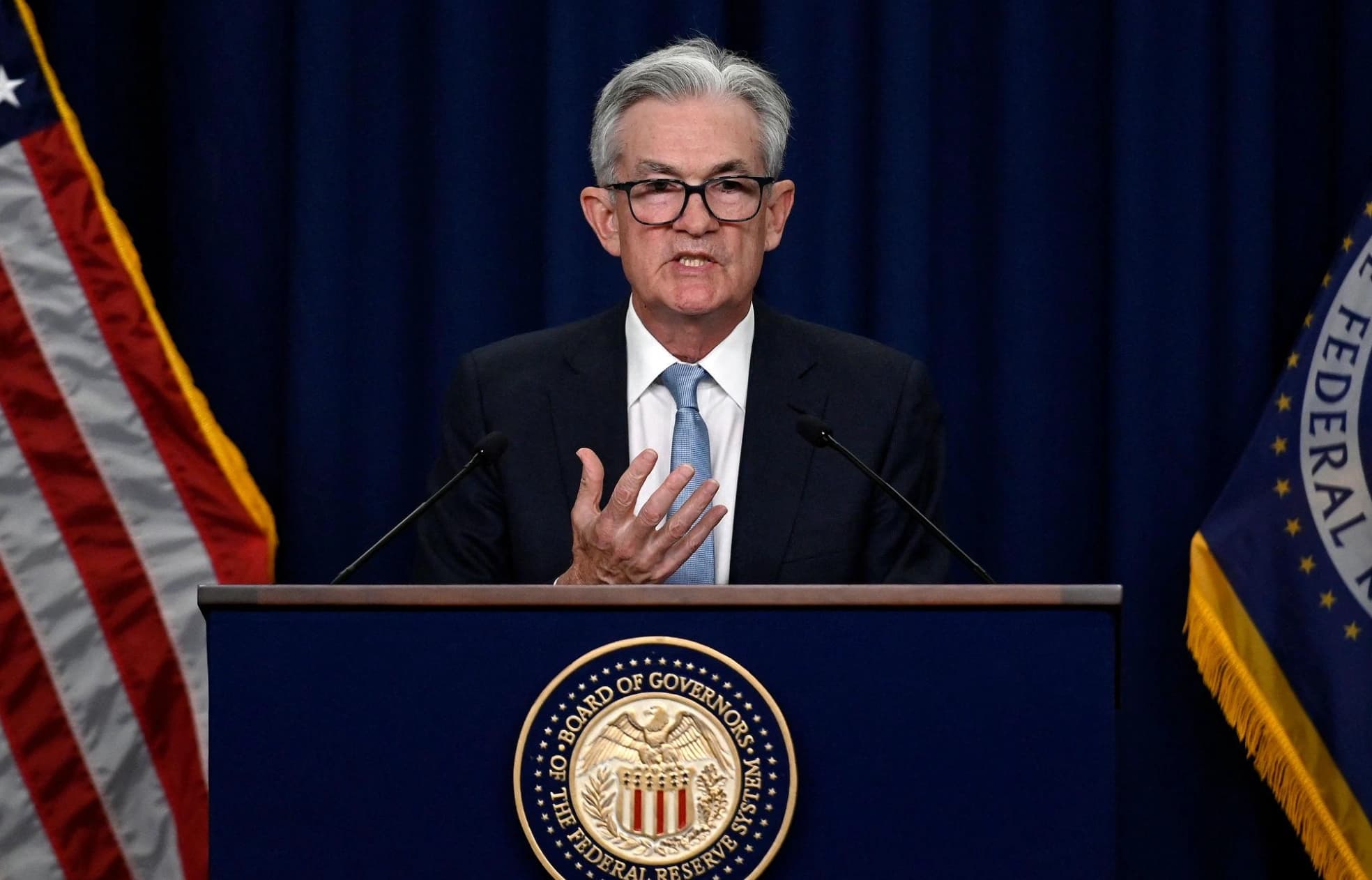
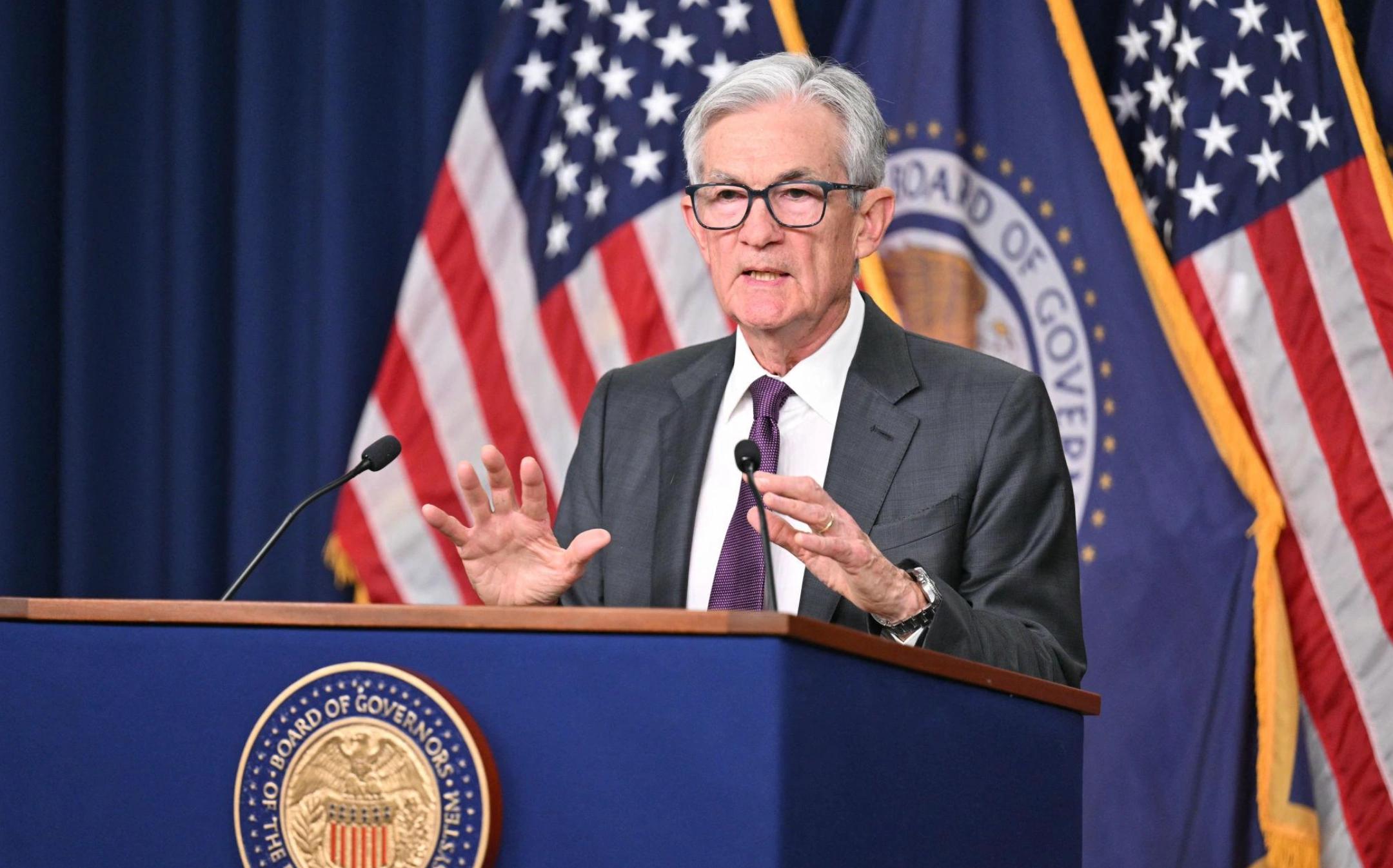
Fed Governor Christopher Waller drew a line in the sand on Tuesday with unusual precision. He said a core CPI reading "around 0.3%" should put a 50 basis point December hike "on the table." Core CPI printed 0.3% exactly. That is not a nuanced signal — it is a pre-committed reaction function, and Waller is not the only one pulling in that direction.
Dallas Fed President Lorie Logan this week called for "at least two more 25 basis point increases," a baseline that takes the funds rate through January and into March regardless of what today's PPI shows. Kansas City Fed President Jeff Schmid called the current rate "fairly accommodative" — a word choice that implies the neutral rate is well above where the Fed is sitting today. Chicago Fed President Austan Goolsbee, historically one of the more cautious voices on the Committee, described recent inflation readings as "borderline disturbing." When Goolsbee is using that language, the dovish flank of the FOMC has effectively collapsed.
The rate market has already moved to reflect this. Implied probability for back-to-back 25bp hikes in December and January has crossed 100%, meaning that outcome is fully priced. A 50bp move in December carries a 15% tail probability. What is not yet priced — but is only about 10 basis points away — is three consecutive 25bp hikes running through March 2027. Today's PPI print, combined with a Fed speaker blitz that includes Bowman at 10:50 AM, Daly at noon, Collins at 2:10 PM, Logan at 2:40 PM, and Vice Chair Jefferson at 7:00 PM, creates a full afternoon window for that final 10 basis points to get priced in live.
The structural context matters here too. Chair Warsh announced this week that the FOMC will cut rate decisions from eight to seven per year starting in 2027, meeting in January, March, April, June, July, September, and November. That compresses the calendar and raises the stakes for each individual decision. December 8–9 isn't just the next meeting — under the new structure, it may be one of the more consequential December meetings in years, with fewer opportunities ahead to course-correct.
What Traders Watch Next
The number that matters most in today's release is not the headline — it is core PPI MoM. The consensus 0.3% forecast is the floor Waller has already flagged. A print at 0.4% or above on core monthly would be a material upside surprise and would likely push the 50bp December probability through 25–30% by end of day, repricing TLT and the front end of the curve in real time. A beat on the headline YoY — anything above 6.6% — amplifies that signal further.
Watch the goods-less-food-and-energy sub-index specifically. That component has been the quiet accelerant in PPI readings all year, and it feeds directly into PCE services inflation, which is the metric the Fed has consistently identified as the stickiest and most policy-relevant. If that sub-index runs above 0.3% MoM, the pipeline argument for sustained inflation is reinforced regardless of what the headline does.
CNBC's inflation coverage will be the fastest venue for real-time Fed speaker reaction this afternoon. Beyond the data itself, the language traders need to flag in today's Fed speech cycle is any use of the word "expedient" or explicit reference to meeting pace — both would signal the Committee is discussing front-loading rather than grinding. The 10-year yield at 5.134% is a level that has already begun to constrain housing and corporate credit. If PPI confirms the inflation reacceleration narrative this morning and the speaker lineup validates the 50bp debate this afternoon, the next technical resistance on US10Y is 5.25%, and TLT's floor from October becomes the ceiling traders should be fading into next week's October retail sales print on Tuesday, November 17.
The Weekly Investor
Daily market analysis for active traders. Free.