October CPI Preview: One Print Rules Them All
October CPI drops Tuesday at 8:30 AM ET. With NFP at +165K and core forecast at +0.2%, here's what every number means for December Fed pricing.
Key Points
- October CPI is forecast at +0.3% MoM headline and +0.2% core, following September's gasoline-driven 0.6% surge that pushed annual inflation to a cycle-high 3.7%.
- Last Friday's NFP print of +165,000 — more than double the +65,000 consensus — eliminated the labor market excuse for a December pause, leaving Tuesday's CPI as the final gating factor for an 8th hike.
- A core reading of 0.3% or higher would almost certainly push December hike odds well past the current 80% and trigger a fresh sell-off in long-duration Treasuries.
October CPI lands Tuesday at 8:30 AM ET, and for the first time in several months, the inflation report arrives without a labor market alibi for the doves. Last Friday's nonfarm payrolls blew past consensus by 100,000 jobs, unemployment fell to 4.1%, and ISM Manufacturing jumped to 55.5 — leaving the Federal Reserve's last credible reason for a December pause entirely dependent on what the Bureau of Labor Statistics prints in roughly 44 hours.
The Setup Coming In
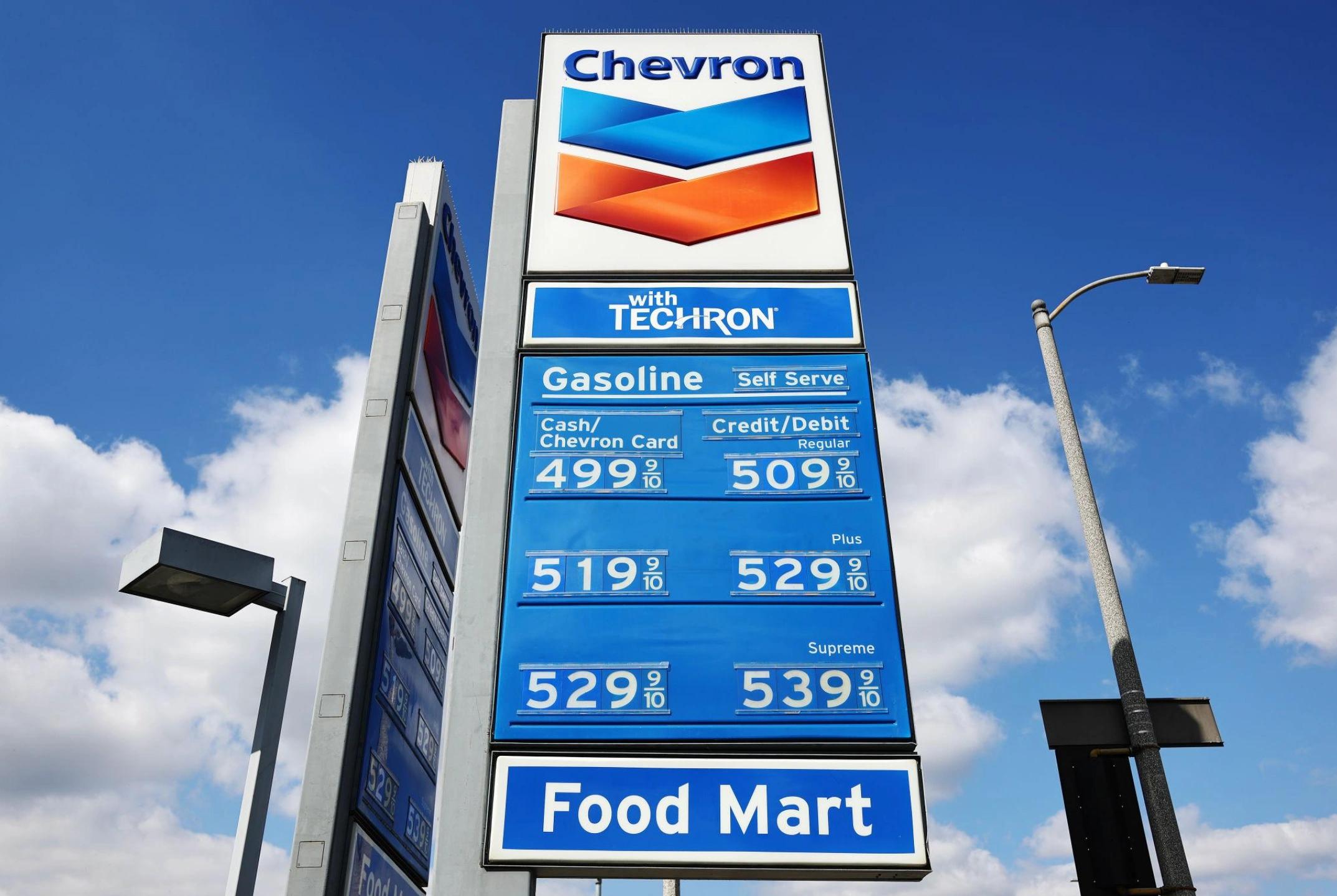
The consensus estimate — +0.3% MoM on headline, +0.2% on core — sounds benign compared to September's +0.6% headline shock, but context matters. September's headline was distorted upward by a gasoline spike that briefly took pump prices above $4.50 per gallon nationally. With retail gasoline easing back toward $4.15 per gallon in early November, that specific tailwind reverses, which is exactly why economists expect the monthly deceleration. The issue is that core inflation never benefited from the gasoline distortion in September — it printed +0.3% MoM anyway — and that stickiness is what has the Fed's hawks circling.
The Cleveland Fed's Inflation Nowcasting model offers a marginally softer read of +0.24% on the monthly headline, suggesting the consensus may be slightly too pessimistic. But the spread between 0.24% and 0.30% is not what traders are trading. The binary that matters is whether core CPI comes in at 0.3% or higher — a number that would, at the current trajectory, keep annual core inflation running well above the Fed's 2% target and hand the hawks exactly the ammunition they need for December 8–9.
What the Fed Has Already Told You
The Fed held at 3.75%–4.00% on October 28, but the vote was not clean. Two FOMC members dissented in favor of an immediate 25 basis-point hike — a signal that the committee's internal pressure is building, not fading. Futures markets have already moved to price an 80% probability of a December hike, up sharply from roughly 65% before last Friday's jobs report. That repricing happened without any new inflation data. Add a hot CPI print and the remaining 20% skepticism evaporates quickly.
Three Fed officials speak today ahead of Tuesday's number, and all three carry relevance. Governor Michelle Bowman speaks at 8:40 AM ET in Boston. As recently as mid-October, Bowman said the Fed has "time to see how the economy evolves before considering further rate hikes" — a posture that was reasonable when September payrolls looked like +29,000. They've since been revised to +60,000, and October came in at +165,000. If Bowman is still delivering the same message this morning, that itself is a signal about where the committee is heading. Chicago Fed President Austan Goolsbee takes the stage at 10:00 AM ET — he has been among the most consistently dovish voices this cycle, so any shift in his language toward acknowledging December optionality would move markets. Richmond Fed President Thomas Barkin follows at 12:15 PM ET.
What Traders Watch Next
The cascade from Tuesday's print runs in a specific order. First, TLT — the iShares 20+ Year Treasury ETF, which has already absorbed significant duration pain this cycle — will gap at the open based on the headline read. A hot core number pushes yields higher and prices lower; a soft 0.2% or below gives duration bulls the first genuine relief trade in weeks. Second, the DXY dollar index, which has been grinding higher on rate-differential dynamics, will extend its run on any upside surprise as front-end yields get repriced aggressively. Third, equities, particularly rate-sensitive growth names, face the sharpest asymmetric risk — a 0.3%+ core number into an 80% priced December hike is not fully in equity valuations.
There is also a secondary-round effect that traders are underweighting: Friday's October PPI. September's headline PPI printed at +1.3% MoM and +6.3% YoY — the largest monthly surge since March 2022. Even with the consensus expecting a deceleration to roughly +0.4% MoM for October, that follows an already-extreme base and feeds directly into PCE components, which is the Fed's preferred inflation gauge. A Tuesday CPI beat followed by a Friday PPI beat would arrive 11 days before the December FOMC blackout period begins November 22, leaving virtually no time for officials to walk back the market's rate-hike pricing. That sequencing is the specific risk the bond market is pricing this week, even if equity markets haven't fully caught up.
The Atlanta Fed GDPNow tracker sits at 3.4% for Q4 — an economy running at that pace with unemployment at 4.1%, ISM Manufacturing at 55.5, and annual CPI at 3.7% is not an economy that needs accommodation. It is an economy that, by the Fed's own stated framework, demands further restriction. The practical question for traders isn't whether December brings a hike — at 80% odds, that's nearly consensus. The question is what Tuesday's data does to January and March 2027 pricing, because that is where the real duration trade lives. Watch for core CPI at or above 0.3% to begin pulling January 2027 hike odds above 50% for the first time, which would represent a material shift in the terminal rate conversation and a genuine repricing event for the long end.
The specific level to anchor on: a 10-year yield break above 4.85% — the cycle high tested briefly in October — following a hot core print would signal that the bond market is no longer treating December as a one-and-done. It would also put enormous pressure on the equity risk premium at a moment when the S&P 500 is not priced for a renewed hiking cycle with a higher terminal destination.
The Weekly Investor
Daily market analysis for active traders. Free.