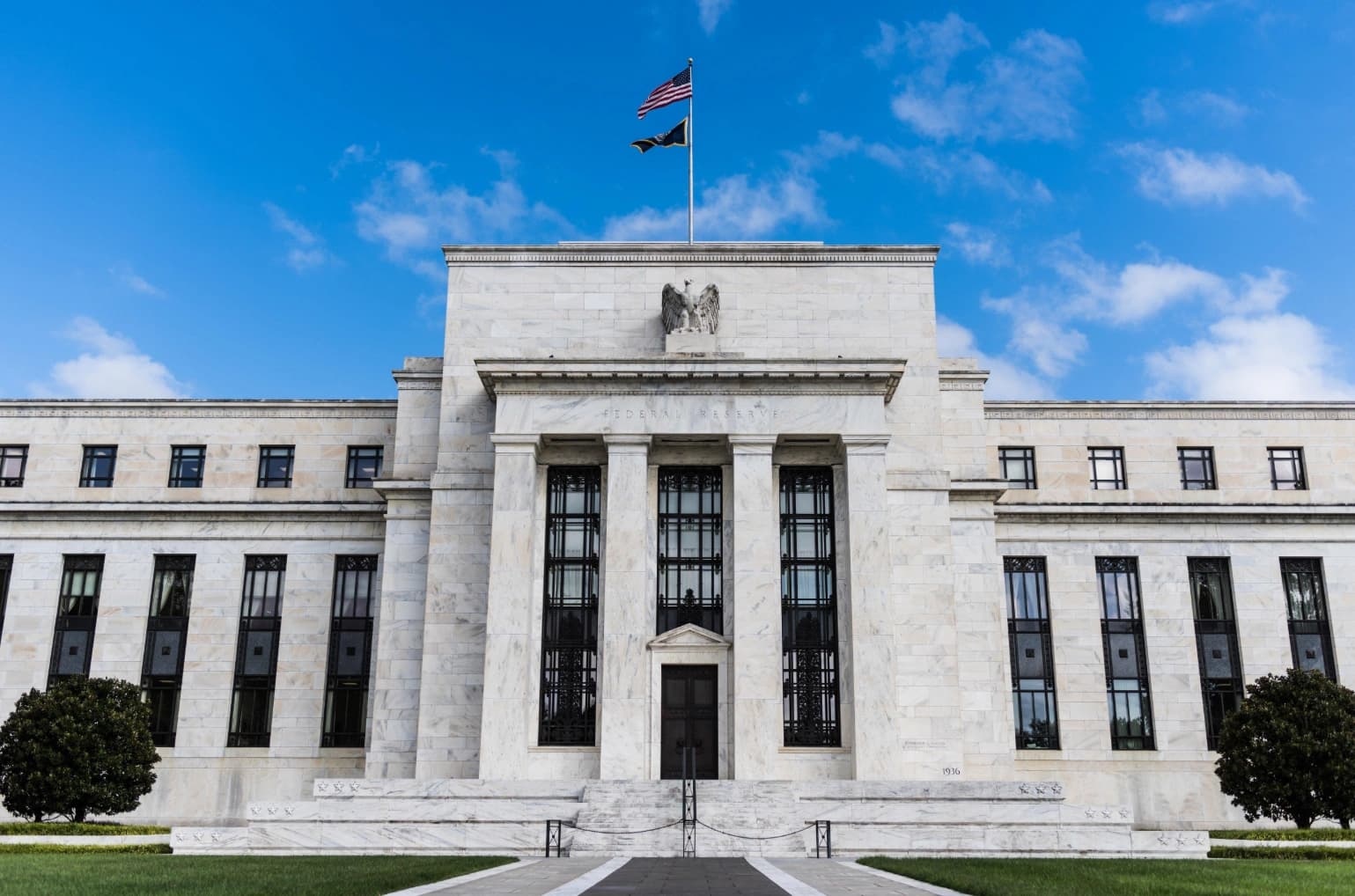
October CPI Preview: One Number Decides December
October CPI releases at 8:30 AM ET — the final inflation print before the Fed's December decision. Consensus sits at 0.2–0.3% core MoM. Here's the full setup.
Key Points
- Street consensus forecasts October core CPI at 0.2% MoM, while the Bloomberg survey median sits near 0.3% — a gap wide enough to materially shift December FOMC pricing.
- September's outsized 0.6% headline and 0.3% core prints set a high baseline, with gasoline decline and airfare softness expected to drive modest moderation in October.
- The BLS will not publish year-over-year comparisons for October due to missing 2025 shutdown-era data, forcing traders to anchor entirely on the month-over-month figure.
The October CPI report released at 8:30 AM ET this morning is the last inflation data point the Federal Reserve will see before its December 8–9 rate decision — and with Fed Governor Waller having already stated this morning that a 0.3% or higher core reading could force a 50 basis point hike, the spread between the Cleveland Fed's 0.21% nowcast and the Bloomberg survey's ~0.3% median is not an academic disagreement. It is the difference between a quarter-point and a half-point move from a central bank that last delivered a half-point increase only under acute inflation distress.
The Setup Entering the Print
September's CPI report was the problem that made October critical. Headline CPI jumped 0.6% month-over-month in September — the largest monthly gain since April — driven by a 2.1% surge in gasoline prices and continued stickiness in shelter costs. Core CPI rose 0.3% MoM, which on its own would have been manageable, but the combination with the headline spike reinforced a narrative the Fed was hoping to put behind it: inflation is not dead, and the final miles toward 2% are proving resistant. Against that backdrop, the September PCE reading — the Fed's actual preferred gauge — came in at 3.7% year-over-year, with core PCE at 3.1%. The Fed targets 2%. The gap remains significant.
October's setup is more favorable, but not cleanly so. Retail gasoline prices declined 0.9% from September to October before seasonal adjustment, per EIA data — that reversal should take meaningful pressure off both headline CPI and energy-linked components of core services including transportation. Airfares, which spiked in prior months alongside jet fuel costs, are expected to decelerate and may post an outright decline. Those two inputs alone are the primary engine behind consensus forecasts for moderation. The Cleveland Fed's nowcast — which uses real-time price data to estimate the BLS print before it arrives — lands at 0.24% for headline and 0.21% for core, suggesting the committee's disinflation narrative is intact for now. The FactSet estimate aligns closely at approximately 0.24%.
Where Stickiness Remains
Shelter inflation is the structural problem that one month of favorable gasoline data cannot solve. Owners' equivalent rent — the single largest component of the CPI basket at roughly 26% of the index — has remained persistently elevated throughout 2026. While the pace of rent growth in new leases has slowed considerably in the private data, that cooling filters into the BLS measure with a significant lag, and there is no mechanism by which shelter CPI drops sharply in a single month. The question is whether it holds flat, decelerates modestly, or provides a mild tailwind — the latter being what the more optimistic 0.21% core forecasts implicitly assume.
Core services ex-housing — the category Fed Chair Powell has repeatedly flagged as his primary concern — present a more ambiguous picture. Higher energy costs in September fed through into travel and logistics pricing, and while some of that reverses with gasoline in October, the stickiness of wages in service industries means the underlying price pressure does not evaporate with fuel costs. Consumer inflation expectations printed at 3.9% in October, flat versus September's 3.9% and above the 3.8% forecast — a signal that households have not yet anchored expectations at a level consistent with the Fed's target. When expectations remain elevated, the behavioral dynamics that sustain inflation in services tend to persist. That is the core of the Fed's problem and the reason Waller was unwilling to signal patience this morning despite Q4 GDP tracking at a solid 3.4% per the Atlanta Fed.
The Data Distortion Traders Must Understand
There is a structural anomaly in today's report that creates unusual interpretive risk: the BLS will not publish year-over-year CPI figures for October. The reason is straightforward but consequential — during the government shutdown in October 2025, BLS data collectors did not gather price data, which means the base-period comparison data required to calculate annual inflation rates does not exist. Traders who reflexively anchor to the year-over-year framing — headline at X%, core at Y% — will not have that reference point today. The monthly figure is the only number that matters, and the absence of the YoY headline removes a contextual anchor that typically softens or amplifies market reaction.
That distortion cuts both ways. A 0.21% core print in isolation looks benign, but without a year-over-year figure to show the cumulative trend, there is less narrative scaffolding available for either bulls or bears to construct a clean interpretation. The Fed will treat the monthly figure as the operative data point regardless — Waller's 0.3% threshold was explicitly stated in MoM terms — but equity and bond markets may respond with more volatility than usual given the reduced interpretive context. The NFIB Small Business Optimism reading at 11:00 AM ET, with consensus at 97.7 versus a prior 97.9, and the jobless claims data at 1:30 PM ET, with initial claims expected at 195K against a prior 189K, will add secondary texture to the inflation narrative but are unlikely to override the CPI signal. Q3 household debt data from the Federal Reserve at 4:00 PM ET — with the prior reading at $18.8 trillion — rounds out a heavy data calendar.
The bond market is the instrument to watch in real time. The 10-year Treasury yield is the most direct expression of the market's December pricing — a core MoM reading at or above 0.3% should push yields decisively higher and pressure long-duration assets including TLT, which has already absorbed significant losses in 2026 as the Fed's tightening cycle extended further than the 2025 consensus expected. A print at or below 0.21% — the Cleveland Fed's nowcast — gives the committee and the market room to maintain the 25 bps December base case and may produce a meaningful relief rally in rate-sensitive equities. The Philadelphia Fed's Anna Paulson speaks at 6:30 PM ET after the data has fully digested; her framing of what today's print means for December will be the last significant policy signal traders receive before the FOMC blackout closes around November 23.
The Weekly Investor
Daily market analysis for active traders. Free.