Vertiv Surges 16% While ServiceNow Crashes 18% on Earnings
Vertiv soared 16% premarket after crushing Q3 estimates; ServiceNow fell 18% on a product revenue miss. Two earnings, two opposite verdicts on enterprise tech spending.
Key Points
- Vertiv posted adjusted EPS of $2.21 against a $1.82 consensus and revenue of $4.31 billion versus the $3.75 billion estimate, sending shares up 16% premarket.
- ServiceNow fell 18% premarket after disappointing on product revenue growth, reflecting investor intolerance for any deceleration in high-multiple enterprise software names.
- Thursday's divergence draws a hard line between direct AI infrastructure beneficiaries and software platforms still proving their AI monetization story.
Two earnings reports landed Wednesday night and sent traders to opposite ends of the risk spectrum by Thursday morning: Vertiv Holdings surged 16% premarket after obliterating Q3 consensus estimates on both the top and bottom line, while ServiceNow cratered 18% after product revenue growth disappointed a market that prices the stock for perfection. The split verdict captures in miniature the defining trade of this earnings season — physical AI infrastructure is winning; enterprise software promising AI productivity gains is still on trial.
Vertiv's Numbers Leave No Room for Debate
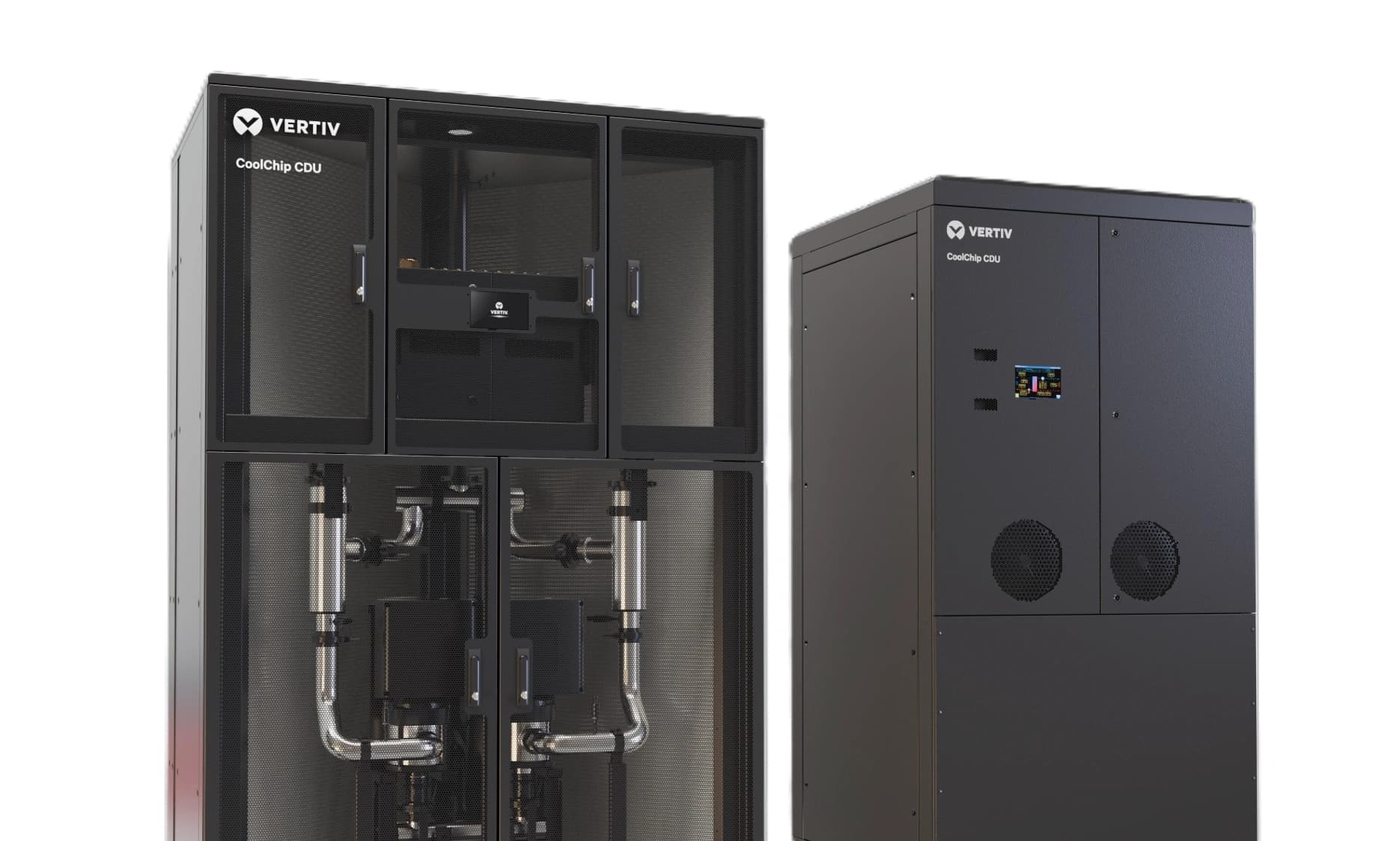
Vertiv reported adjusted earnings per share of $2.21 for Q3 2026, crushing the $1.82 Wall Street consensus by 21.4%. Revenue came in at $4.31 billion, beating the $3.75 billion estimate by $560 million, or nearly 15%. When a company beats revenue estimates by that magnitude, it is not an accounting trick or a one-time item — it means physical demand for its products is running meaningfully hotter than the models predicted. For a company that makes power and thermal management systems for data centers, that demand signal is directly tied to one thing: hyperscaler AI buildout.
The guidance revision that accompanied those results amplified the move. Vertiv issued stronger-than-expected forward guidance, a detail that matters enormously in a market where investors have been burned repeatedly by companies that beat the current quarter and then walk back their outlook. When both the quarter and the guide beat simultaneously, institutional buyers have little reason to wait on the sidelines. The 16% premarket surge reflects that dynamic in real time.
ServiceNow's Miss Triggers Disproportionate Punishment
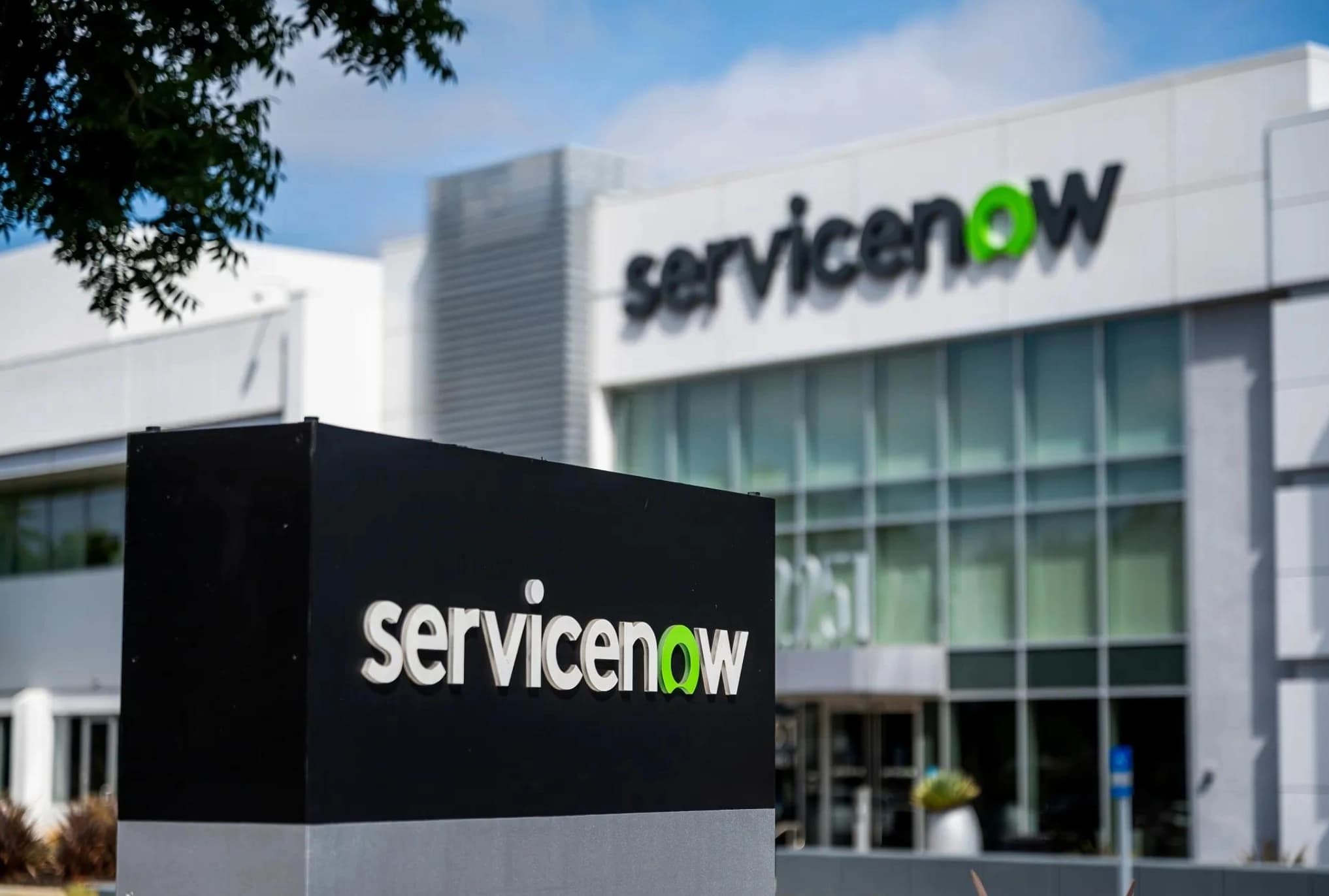
ServiceNow's 18% premarket drop is the other side of the same coin, and it illustrates a specific market dynamic that experienced traders understand well: high-multiple software stocks are not priced to miss. ServiceNow trades at a valuation that embeds near-perfect execution, and when the company reported a slowdown in product revenue growth, the market's response was immediate and severe. An 18% single-session decline for a large-cap enterprise software platform is a significant dislocation — and it sends a clear message about risk tolerance for the entire sector.
The mechanics of the selloff are worth examining. ServiceNow did not report a catastrophic quarter in absolute terms; the issue was deceleration. In high-growth software, the rate of change in growth is often more important than the absolute level. A company growing product revenue at 30% that suddenly prints 22% has not failed — but it has violated the implicit contract with its shareholder base. The market re-prices those names quickly and without mercy. ServiceNow's Thursday session will be closely watched by holders of Salesforce, Workday, and other enterprise SaaS names that report in the next two weeks.
What the Divergence Tells Traders About the AI Trade
The Vertiv-ServiceNow split is not a coincidence — it is a thesis statement. Vertiv's business is picks-and-shovels AI infrastructure: the physical systems that keep the compute running. Its customers are Google, Microsoft, Amazon, and Meta, and those customers are spending aggressively regardless of whether the AI products built on that infrastructure are generating returns yet. Alphabet's disastrous free cash flow print Thursday morning — -$9.07 billion against a -$2.70 billion estimate — confirms the spending is real even when the returns are not yet visible. That money flows directly to vendors like Vertiv.
ServiceNow, by contrast, operates in a different part of the stack. Its AI story is about workflow automation and productivity gains for enterprise customers — a compelling pitch, but one that requires those customers to first believe in the ROI, allocate budget, and then deploy. That cycle is longer and more discretionary than raw infrastructure spend. In a quarter where the 10-year Treasury yield is pressing 5.05% and CFOs are scrutinizing software line items more aggressively, the discretionary enterprise software deal can get delayed in ways that a hyperscaler's power contract cannot.
The broader premarket picture reinforces the thesis. Yahoo Finance's live market coverage shows SK Hynix rising 7% premarket on record AI memory demand, while Robinhood dropped 7% on a crypto-driven profit miss. The winners Thursday morning are almost uniformly tied to physical AI infrastructure — compute, memory, power, thermal. The losers are tied to the monetization layer above it — software, platforms, and consumer-facing fintech caught in a crypto slowdown.
The Setup Into the Session and Beyond
For traders holding VRT into Thursday's open, the question is whether 16% premarket holds or gets faded. Data center infrastructure names have a pattern of gapping up on earnings and then consolidating as fast money books gains in the first thirty minutes. The underlying demand story is intact — the CNBC coverage of today's tech earnings wave makes clear that Microsoft's own capex came in at $45.2 billion, 30% above last year, confirming the spending cycle is not slowing. That structural tailwind argues against fading the Vertiv move aggressively on day one.
For NOW holders, the calculus is more painful. An 18% gap down in a high-multiple name creates a technically damaged chart that typically requires weeks, not days, to repair. The first level to watch is how the stock behaves in the final hour of Thursday's session — whether institutional buyers begin to accumulate at the oversold level or whether the selling continues into the close. A failure to recover even 3–4 percentage points of the gap by Thursday's close would be a bearish signal for the broader enterprise SaaS cohort heading into next week's reports.
The macro overlay cannot be ignored. The Federal Reserve held rates at 3.75%–4.00% in its October meeting on a 10-2 vote, with two dissenters pushing for a 25-basis-point hike. With the 10-year yield at 5.05% and the PCE price index report due Thursday, the cost of capital remains elevated — a condition that disproportionately punishes long-duration growth assets like ServiceNow while leaving infrastructure plays like Vertiv relatively insulated. Watch S&P 500 futures at the 7,758 level: a hold there into the open would suggest the market is absorbing the tech volatility without broader contagion. A break below 7,730 heading into the PCE print would open a more defensive conversation for the session.
The Weekly Investor
Daily market analysis for active traders. Free.