Supercore CPI at 5.5% Annualized Puts 50 bps on Table
October's supercore CPI hit 0.45% MoM — a 5.5% annualized pace. Fed's Waller now openly backs a half-point December hike. Here's what traders must watch.
Key Points
- October supercore CPI surged 0.45% MoM — a 5.5% annualized pace — entirely driven by services outside shelter, with airfares up 0.84% and core goods up 0.39%.
- Fed Governor Waller publicly stated a 25 bps December hike risks Fed credibility and said he is leaning toward a move, while Dallas Fed's Logan backed at least two additional quarter-point increases at a potentially faster pace.
- With Friday's PPI forecast at 6.6% YoY and the 10-year yield already at 5%, Thursday's return of bond market liquidity is the first real stress test of this week's repricing.
October's supercore CPI printed 0.45% month-over-month — a 5.5% annualized pace — and it came from exactly the place the Federal Reserve cannot explain away. Not shelter. Not base effects. Broad-based services demand, the stickiest inflation the central bank faces, and it landed on a day when SIFMA closed the bond market. The 10-year Treasury yield is holding near 5% this morning with no two-sided price discovery. When Tokyo and London open the cash market Thursday, traders will find out what that number is actually worth.
What the Data Actually Shows
Strip away the headlines and Tuesday's CPI release was a systematic failure of the disinflation narrative. Headline CPI came in at 0.4% MoM against a 0.3% forecast. Core CPI printed 0.3% MoM, topping the 0.2% estimate. Neither of those alone would rewrite the Fed's calculus. The supercore reading — services excluding shelter — is the number that changes the conversation. At 0.45% for October, annualized it runs at 5.5%. The Federal Reserve's target is 2%. The gap between where policy is and where it needs to be just widened.
Dig into the components and the breadth of the miss is striking. Airfares rose 0.84% in a single month, an acceleration that reflects genuine demand rather than seasonal noise. Core goods, which policymakers had largely written off as a disinflationary tailwind, flipped positive at 0.39%. Owners' equivalent rent rose 0.32% while primary rent gained only 0.20% — meaning even within the housing stack, the softer shelter signal that Fed officials had been banking on is not spreading to the dominant measure. Every sub-index that the Fed hoped would cool is running hot simultaneously.
Governor Bowman, speaking ahead of the data and again during Wednesday's Asian session, estimated October core PCE at 3.3%. That figure matters because PCE, not CPI, is the Fed's official inflation target, and 3.3% core PCE with a 2% mandate means the Fed is still running 165 basis points above its stated objective after more than two years of tightening. Bowman's characterization was blunt: "persistent inflation, firming labor conditions suggest work to do." Chicago Fed President Austan Goolsbee went further, calling the report "borderline disturbing." These are not the words of a central bank preparing to pause.
The Fed's Problem
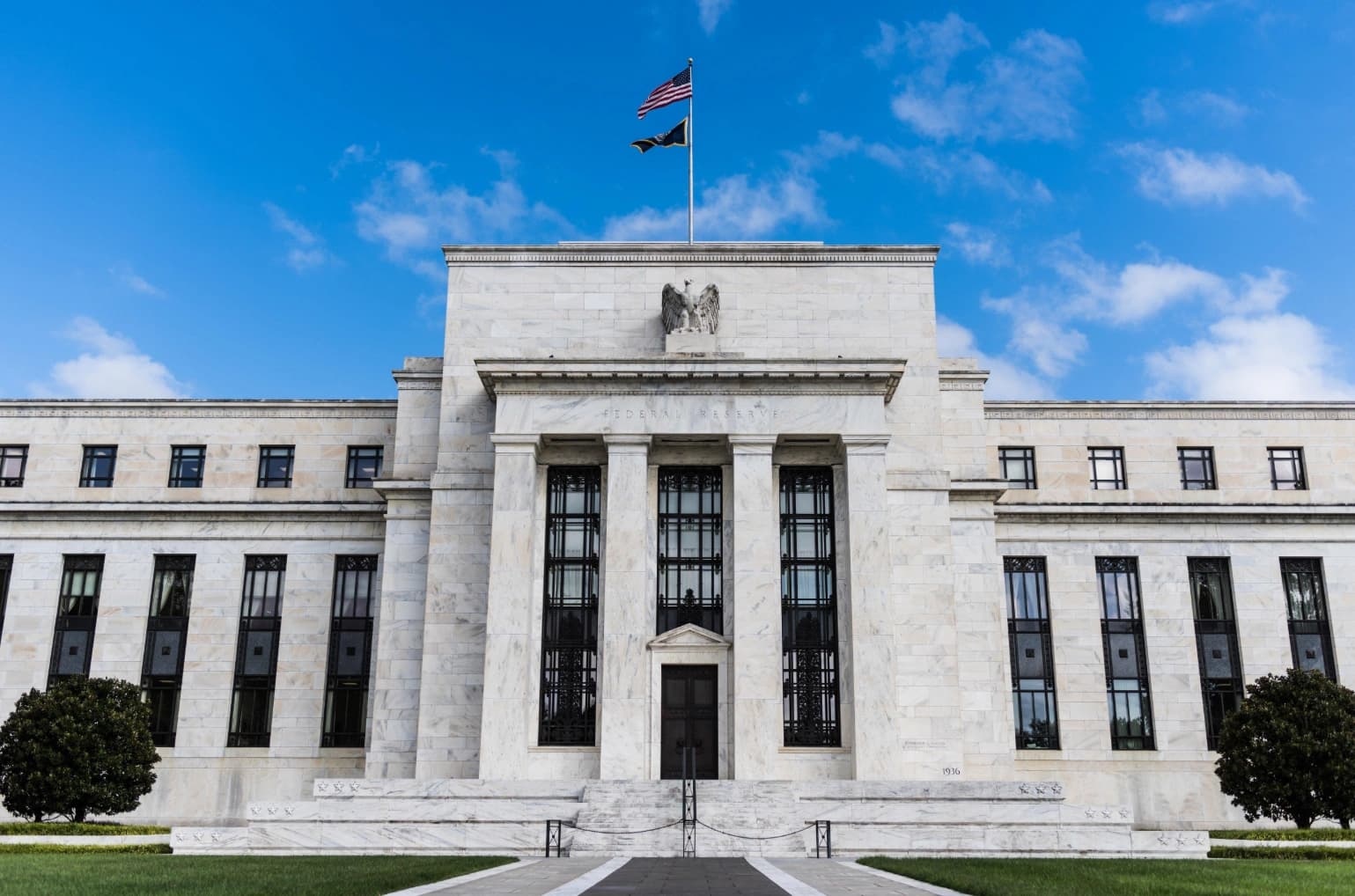
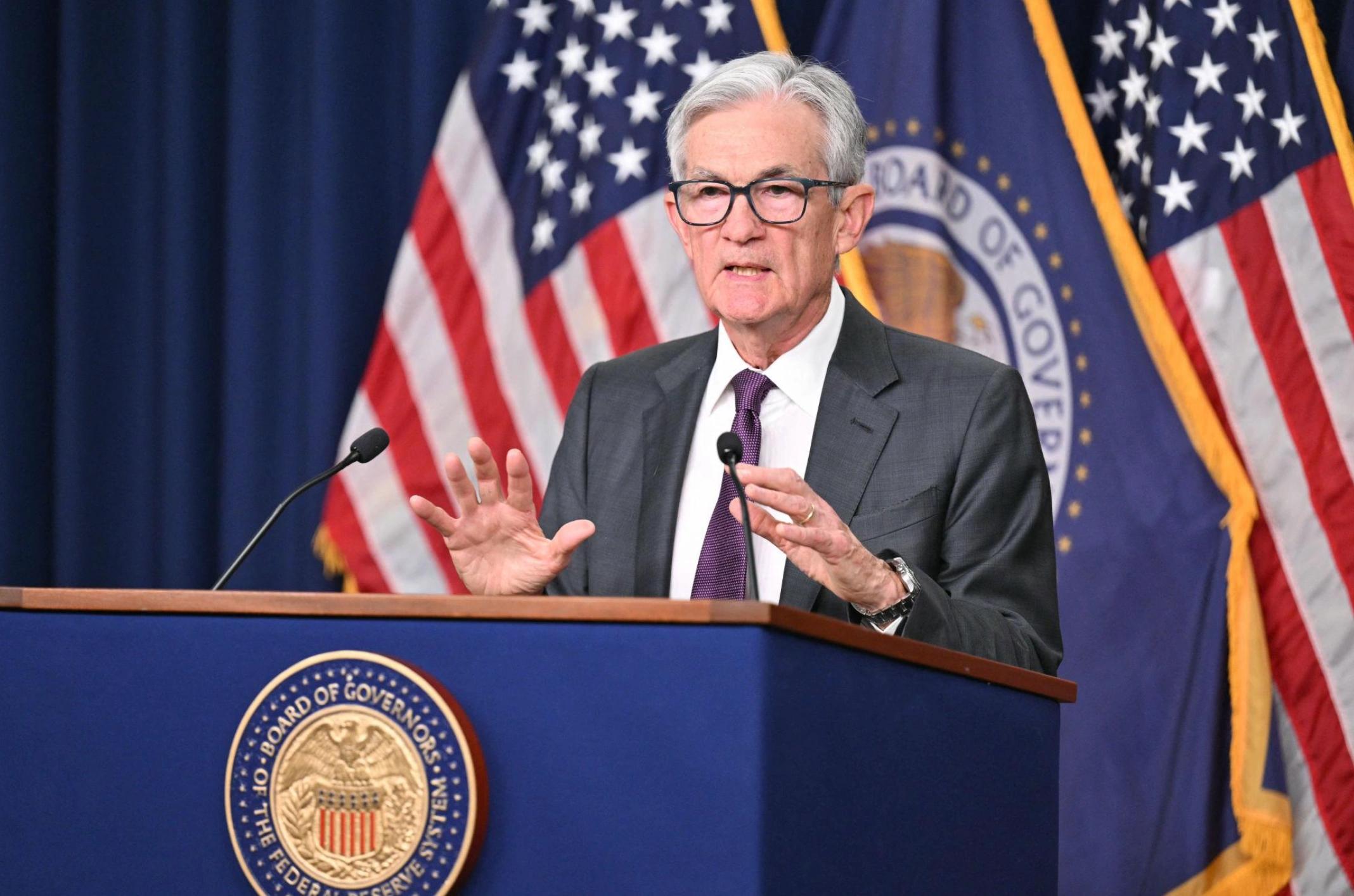
The Federal Reserve's credibility question is now explicit, and it is coming from inside the institution. Fed Governor Christopher Waller told reporters that hiking only 25 basis points at the December meeting "would put our credibility at risk" — an extraordinary statement from a sitting governor, because it implies the market's existing pricing of a quarter-point move is itself insufficient. Waller said he is leaning toward a December hike and left the door to 50 basis points open if incoming data worsens. Dallas Fed President Lorie Logan backed at least two additional quarter-point increases and flagged that the pace may need to accelerate beyond what policymakers communicated this autumn. Kansas City Fed President Jeffrey Schmid described the current stance as "fairly accommodative" — a diagnosis that, if accepted by the committee, points directly toward more tightening.
The CME FedWatch Tool now prices a December rate hike above 85% probability, up from roughly 80% before Tuesday's CPI print. The current Fed funds target is 3.75–4.00%. What Waller's remarks signal is that the debate inside the FOMC has shifted from whether to hike in December to how much. That is a materially different risk environment for equities, credit spreads, and the dollar. CNBC reported Wednesday morning that Waller's comments were the most hawkish from a Fed official since the current tightening cycle resumed. The USD Index, reflecting that shift, holds comfortably above 102.30.
The household balance sheet data released Tuesday adds a structural dimension to the Fed's inflation problem. Total household debt hit $19.1 trillion in Q3, up from $18.8 trillion the prior quarter — a $300 billion increase in a single quarter. Consumer spending is not slowing because consumers are not being forced to slow. Retail sales for October, due at 1:30 PM ET today alongside initial jobless claims, are forecast at plus 0.6% MoM after a prior reading of plus 0.8%. If retail sales surprise to the upside, the case for 50 basis points in December becomes materially stronger in real time, against a backdrop of thin liquidity with bond markets shut for Veterans Day.
What Traders Watch Next
Today's data releases carry unusual weight because of the liquidity environment. With SIFMA's Veterans Day closure removing the Treasury market's normal shock absorbers, any equity or FX reaction to the 1:30 PM ET retail sales and jobless claims prints will be amplified. Consensus for initial claims is 195,000 against a prior reading of 189,000. A beat — meaning claims stay low — reinforces the picture of a labor market that is not cracking under the Fed's pressure. A claims miss above 200,000 would be the first meaningful sign of labor deterioration, and in the current context it would be bought by rates markets as a reason to fade the 50 bps scenario. The range of outcomes on a low-liquidity day is wide.
The more important threshold is Friday's PPI, forecast at 6.6% YoY. Producer price inflation running at that level would confirm that pipeline pressures have not dissipated and are still feeding into the services and goods prices consumers pay. A PPI print at or above consensus closes the final exit ramp for anyone still betting on a December pause. The forward risk cluster is denser still: November 17–18 brings retail sales confirmation, Nvidia earnings, UK CPI, and the FOMC minutes in a 36-hour window that will force portfolio managers to either add or shed duration risk heading into year-end. The 10-year yield at 5% is not a ceiling — it is a base case. The first test of whether the market accepts that re-rating comes Thursday morning when Tokyo opens the cash bond market and the week's most consequential data has already landed.
The Weekly Investor
Daily market analysis for active traders. Free.