Nvidia Faces Five Concurrent Probes After CEO Return
California widens its Nvidia criminal probe as DOJ subpoenas third parties. Jensen Huang reinstated, but five simultaneous legal fronts now pose structural risk.
Key Points
- Nvidia and Jensen Huang now face five simultaneous legal proceedings — DOJ antitrust, SEC accounting probe, possible FBI review, California criminal subpoena, and an export-control case — representing a structural regulatory overhang, not a one-time event risk.
- California AG Rob Bonta confirmed Wednesday his office has widened its investigation to include possible criminal violations of state law, examining whether Nvidia or Huang gave false information about chip sales to China and whether investors were misled.
- Nvidia stock fell 5.86% to $155.38 on Tuesday and was down an additional 4.3% in Wednesday's pre-market; the next identifiable legal milestone is the DOJ's review of Nvidia's $12.9B Hugging Face acquisition.
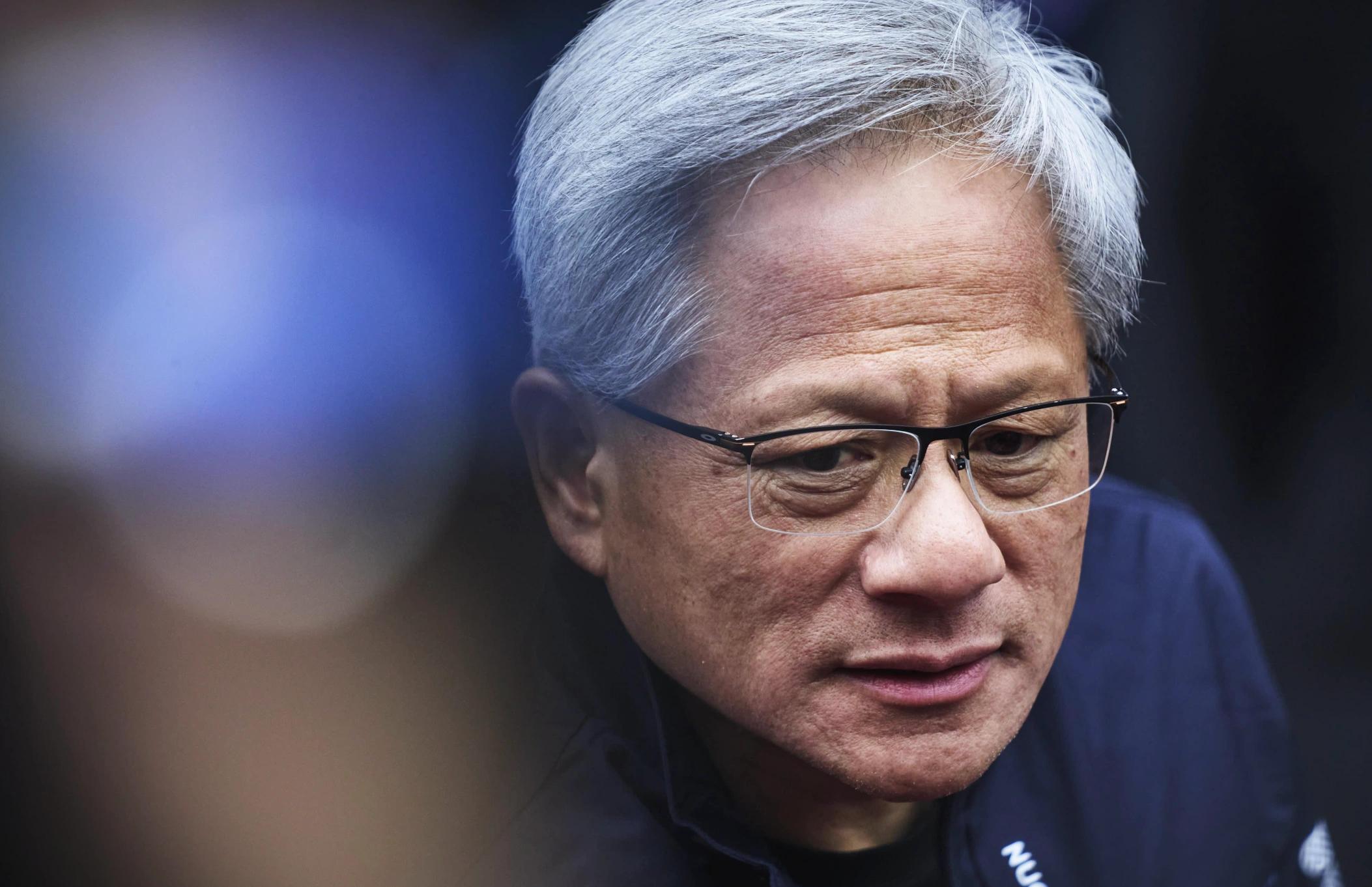
Jensen Huang returned to Nvidia's C-suite on November 23 with the board's unanimous backing and what it described as input from senior levels of the U.S. government — but the legal architecture surrounding the company didn't simplify with his reinstatement. By Wednesday morning, California AG Rob Bonta had confirmed publicly that his office's probe into Nvidia is not only continuing but widening, with possible criminal violations of state law now in scope.
The Five-Front Legal Map
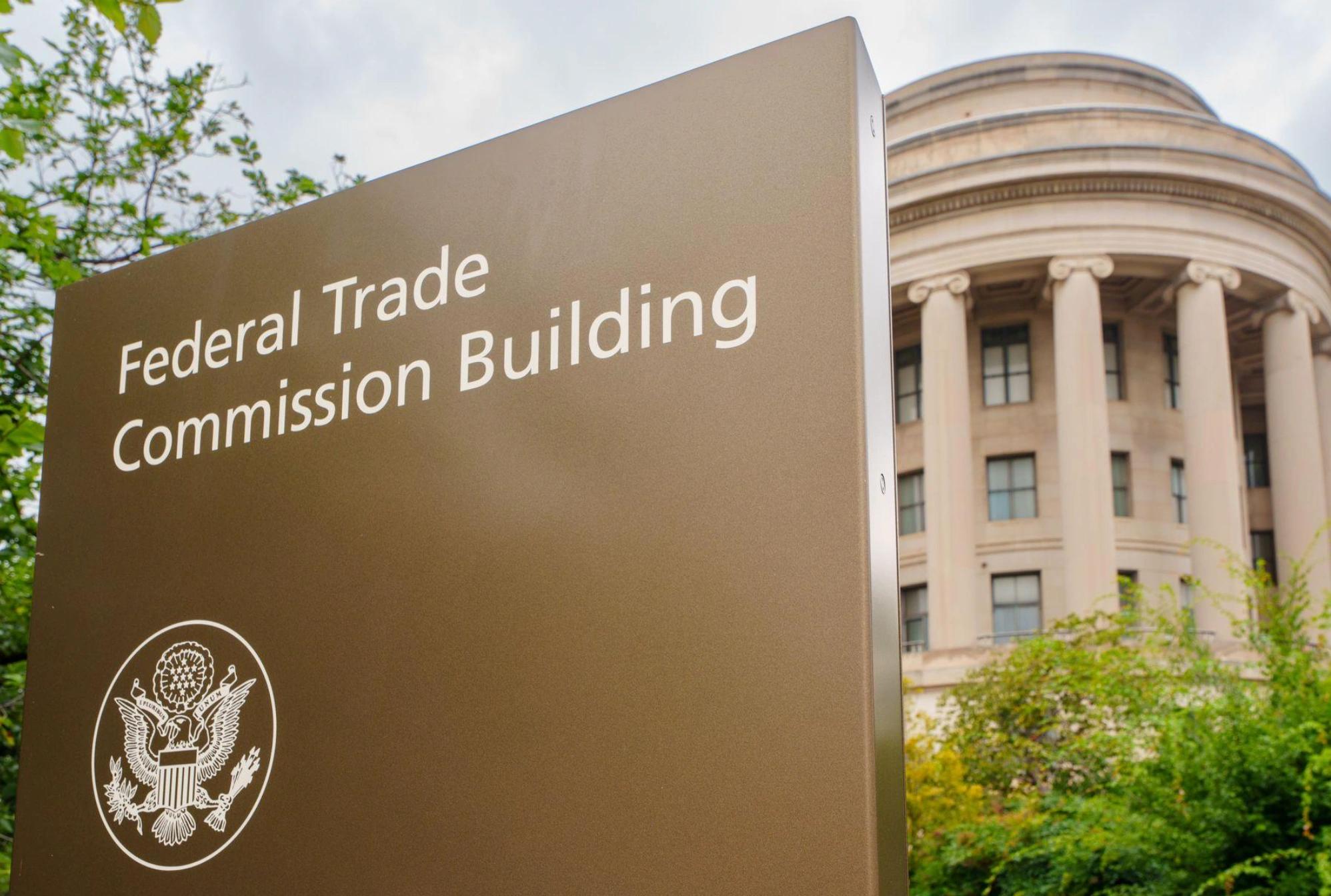
The full regulatory stack on Nvidia is worth laying out precisely, because the breadth of it is what makes this situation structurally different from a standard corporate legal overhang. The Department of Justice is running an antitrust investigation that has expanded to include subpoenas to third-party companies — not just Nvidia itself — covering the company's acquisitions, pricing practices, and market conduct. That same DOJ is separately reviewing Nvidia's $12.9 billion deal to acquire Hugging Face, the open-source AI platform. The Securities and Exchange Commission has reportedly advanced a probe into Nvidia's accounting. A possible FBI review has been reported, though not officially confirmed by the bureau. And the export-control case has already produced a concrete consequence: Megaspeed, an Nvidia partner, landed on the U.S. trade blacklist. Five shareholder lawsuits have been filed in Northern California federal court on top of all of that.
The California investigation is the newest escalation and the one with the most acute near-term relevance. AG Bonta said in a Bloomberg Television interview Tuesday that his office is examining whether Nvidia sold advanced chips to China and misled the public about it — which maps directly to the federal export-control concern — and confirmed Wednesday that the investigation has widened to include possible criminal violations of California state law. That is a meaningful escalation. A state criminal probe operates on a different timeline and with different evidentiary tools than a federal civil antitrust investigation. It also creates a secondary political dynamic that federal regulators don't face: California is Nvidia's home state, and AG Bonta is an elected official with his own incentives around high-profile enforcement actions.
Nvidia's board reinstated Huang as President, CEO, and Board Director on November 23, expressly noting that input had been received from senior levels of the U.S. government and that the board was confident his reinstatement posed no national security risk. That framing was deliberate — it was designed to insulate the reinstatement decision from the most explosive allegation hanging over Huang, which involves a reported foreign intelligence effort targeting him. But the board was equally explicit that the committee investigation into that foreign intelligence effort will proceed to its conclusion. Reinstatement and exoneration are not the same thing, and the market is not treating them as such.
The AG Blanche Non-Answer
U.S. Attorney General Todd Blanche's performance at Tuesday's press conference deserves specific attention from traders, because what he didn't say is more informative than what he did. Asked directly about the status of federal investigations into Nvidia and Huang, Blanche declined to clarify — describing Nvidia as a "good corporate citizen" and moving on. That is not the language of a Justice Department that has closed its files. It is the language of a political appointee who has been briefed, knows exactly what is in those files, and has chosen to say as little as possible while technically not lying.
The "good corporate citizen" phrase is a tell. It is the same language that DOJ officials use when they want to signal that enforcement is proceeding through proper channels without tipping their hand on outcomes or timelines. Blanche had every opportunity to say "we have concluded our review and found no violations" — that would have been the statement that actually moved the stock. He didn't say it. The absence of a clearance statement from the federal government, combined with California's escalation to criminal territory, means that NVDA's regulatory overhang is now a multi-year structural feature of the stock, not a headline risk that clears on a single press release.
Nvidia's pre-market decline of approximately 4.3% on Wednesday is coming on top of Tuesday's 5.86% drop to $155.38, which itself followed a 31.48% surge the session before. That volatility profile — a 31% single-session spike followed by back-to-back multi-percent declines — is consistent with a stock where the fundamental narrative is genuinely contested. The Huang reinstatement was the catalyst for the surge. The regulatory reality is the catalyst for the reversal.
What the Legal Timeline Means for NVDA
Traders pricing NVDA need a framework for how these proceedings intersect and which ones move fastest. State criminal investigations in California typically move on a 12-to-24-month horizon from subpoena to charging decision, assuming the AG's office is running a serious investigation rather than applying political pressure for a settlement. The DOJ antitrust probe is on a longer civil timeline, but the third-party subpoenas — the expansion beyond Nvidia itself — suggest the investigation is well past the preliminary inquiry stage and is building a case. The SEC accounting probe is the wildcard; accounting fraud cases at the SEC can resolve quickly through settlements or extend for years depending on the complexity of the alleged misconduct and the degree of cooperation from the target company.
The most immediate legal milestone on the calendar is likely a court ruling or regulatory comment on the Hugging Face acquisition review. At $12.9 billion, that deal is large enough to draw serious scrutiny under any administration, and the DOJ's existing antitrust posture toward Nvidia makes approval far from automatic. A block or a forced restructuring of that deal would remove a key piece of Nvidia's open-source AI ecosystem strategy and could shave a meaningful percentage off the stock's forward multiple. For traders holding NVDA, the risk calculus has changed: this is no longer a chip-cycle trade with some legal noise around the edges. The five-front regulatory exposure is now a primary variable in the thesis, and the next significant data point — a DOJ subpoena result, a California grand jury development, or an SEC Wells notice — could arrive on any given Wednesday morning without warning.
The Weekly Investor
Daily market analysis for active traders. Free.