Fed's December Hike Locked In as GDP, Inflation Run Hot
Q3 GDP hit 3.4%, core CPI beat at 2.6%, and December Fed hike odds sit at 70.9%. Here's what traders need to know now.
Key Points
- Q3 real GDP came in at 3.4% annualized, beating the 3.2% consensus, while core CPI rose to 2.6% year-on-year — both above forecast and both handed the Fed a green light for December.
- A 10–2 FOMC vote to hold in October, with two dissenters already pushing for a hike, signals the Committee's hawkish center of gravity is shifting fast.
- Watch Friday's October payrolls and this afternoon's ISM Manufacturing PMI (consensus 54.7) — a double beat would push December hike odds above 75% and crack TLT below its November floor.
The number that matters most right now is 70.9% — that's CME FedWatch's current probability of a 25-basis-point hike at the December FOMC meeting, and it didn't get there by accident. Q3 real GDP printed 3.4% annualized, September headline PCE surged 0.5% month-on-month — its biggest jump since March — and core CPI climbed to 2.6% year-on-year, beating every major forecast. Fed Chair Kevin Warsh now has more inflationary ammunition than he's had in six months, and markets are not waiting for him to use it.
The Data the Fed Cannot Ignore
Start with GDP, because that's where the story begins. The BEA's advance estimate of 3.4% annualized growth for Q3 didn't just beat the Wall Street Journal survey median of 3.2% — it nearly doubled Q2's 2.2% pace. The drivers were broad: consumer spending held firm, government outlays expanded, and AI-fueled business investment provided a structural tailwind that isn't going away when the calendar flips to Q4. The Atlanta Fed's GDPNow model is already tracking Q4 at 3.3%, suggesting this isn't a one-quarter sugar high.
Layer inflation on top of that growth, and the Fed's problem crystallizes immediately. September headline PCE rose 0.5% month-on-month — the largest single-month gain since March — with energy costs doing the heavy lifting. Core PCE, which strips out food and energy and is the Fed's preferred inflation gauge, accelerated to 0.3% month-on-month. That's not a rounding error; that's a trend. CPI told the same story: a 0.6% monthly gain driven by a 9.1% surge in gasoline prices, with annual core CPI beating forecasts at 2.6% versus the expected 2.5%. Monthly core CPI held at 0.3%, defying widespread calls for a deceleration to 0.2%.
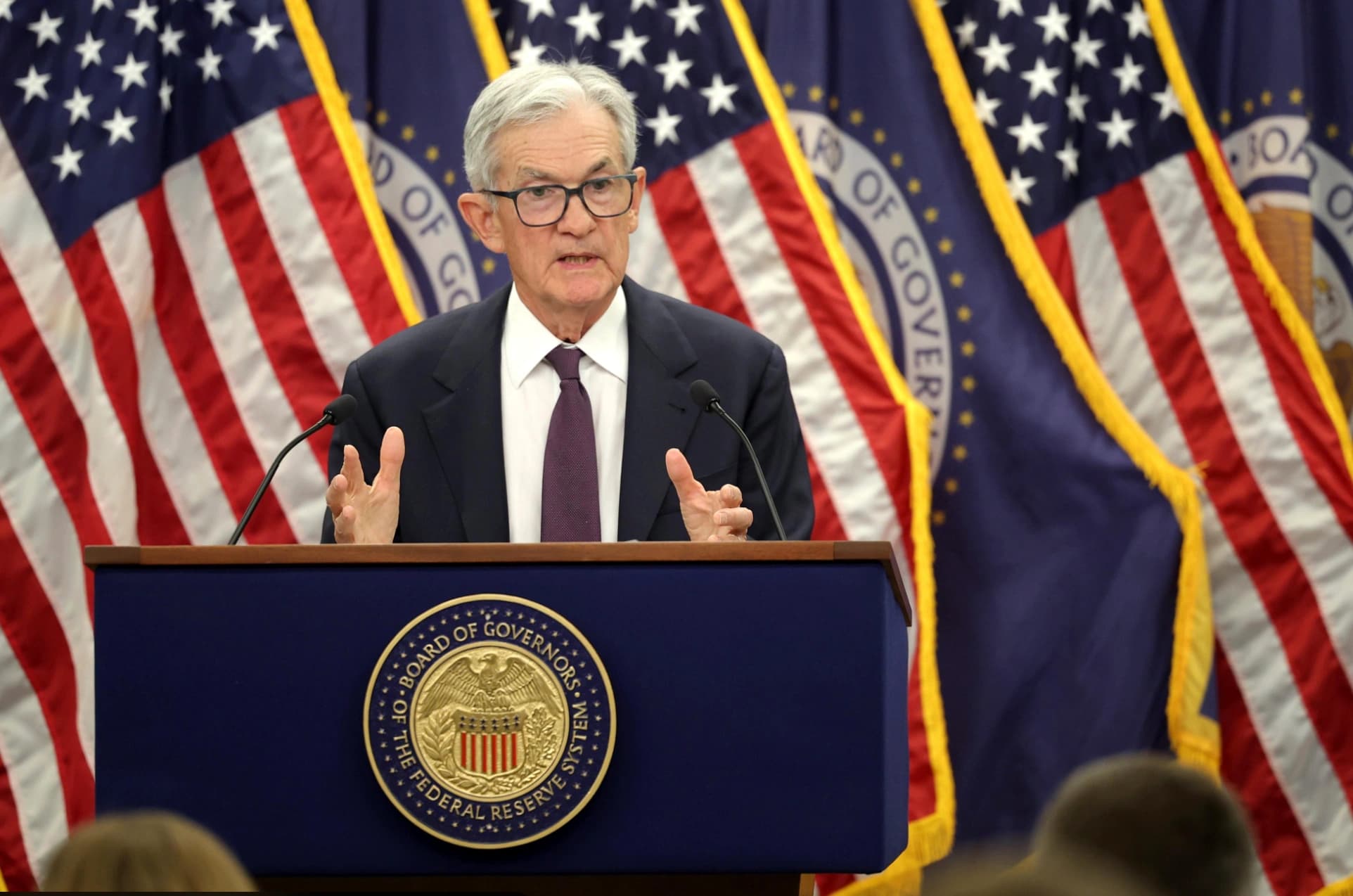
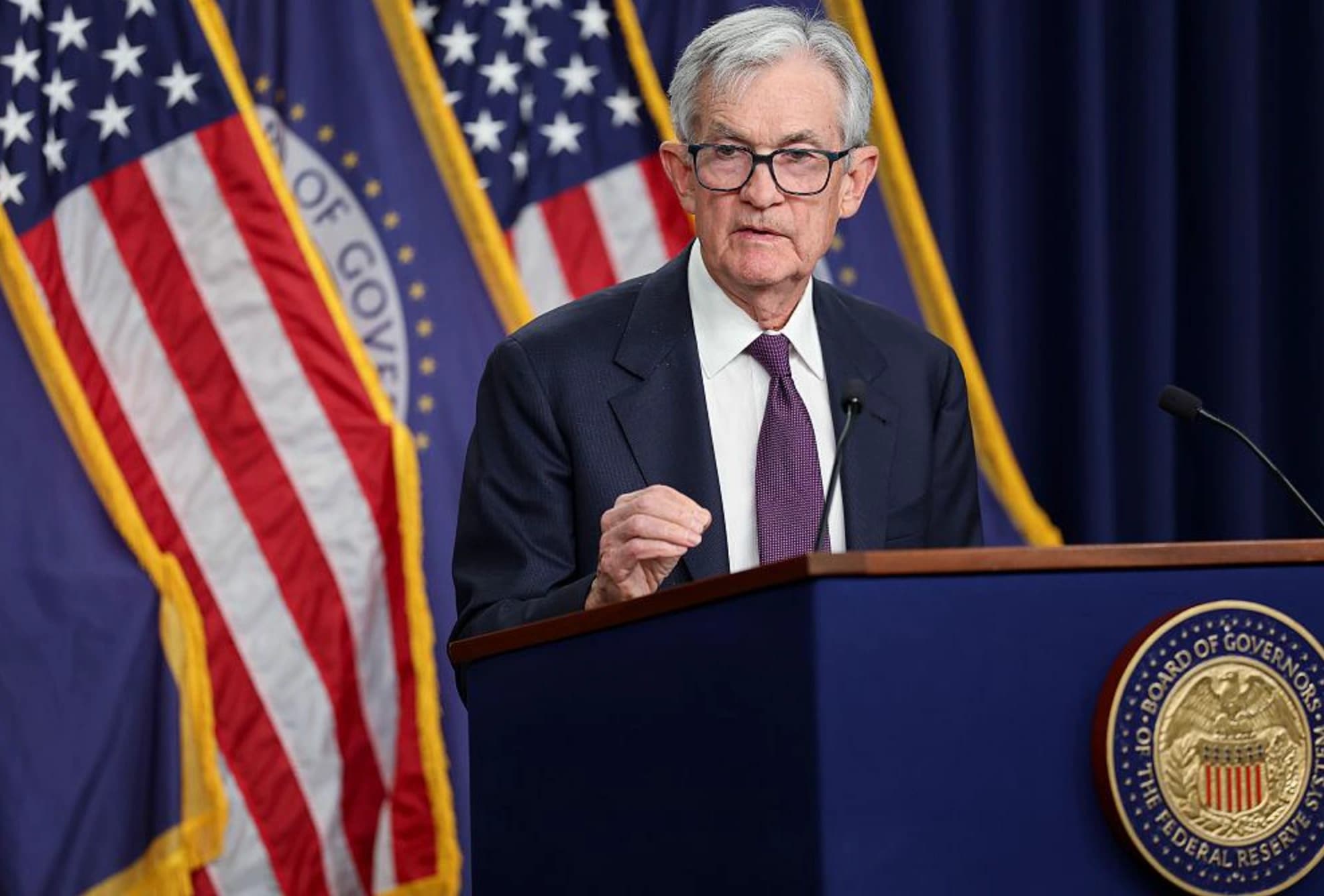
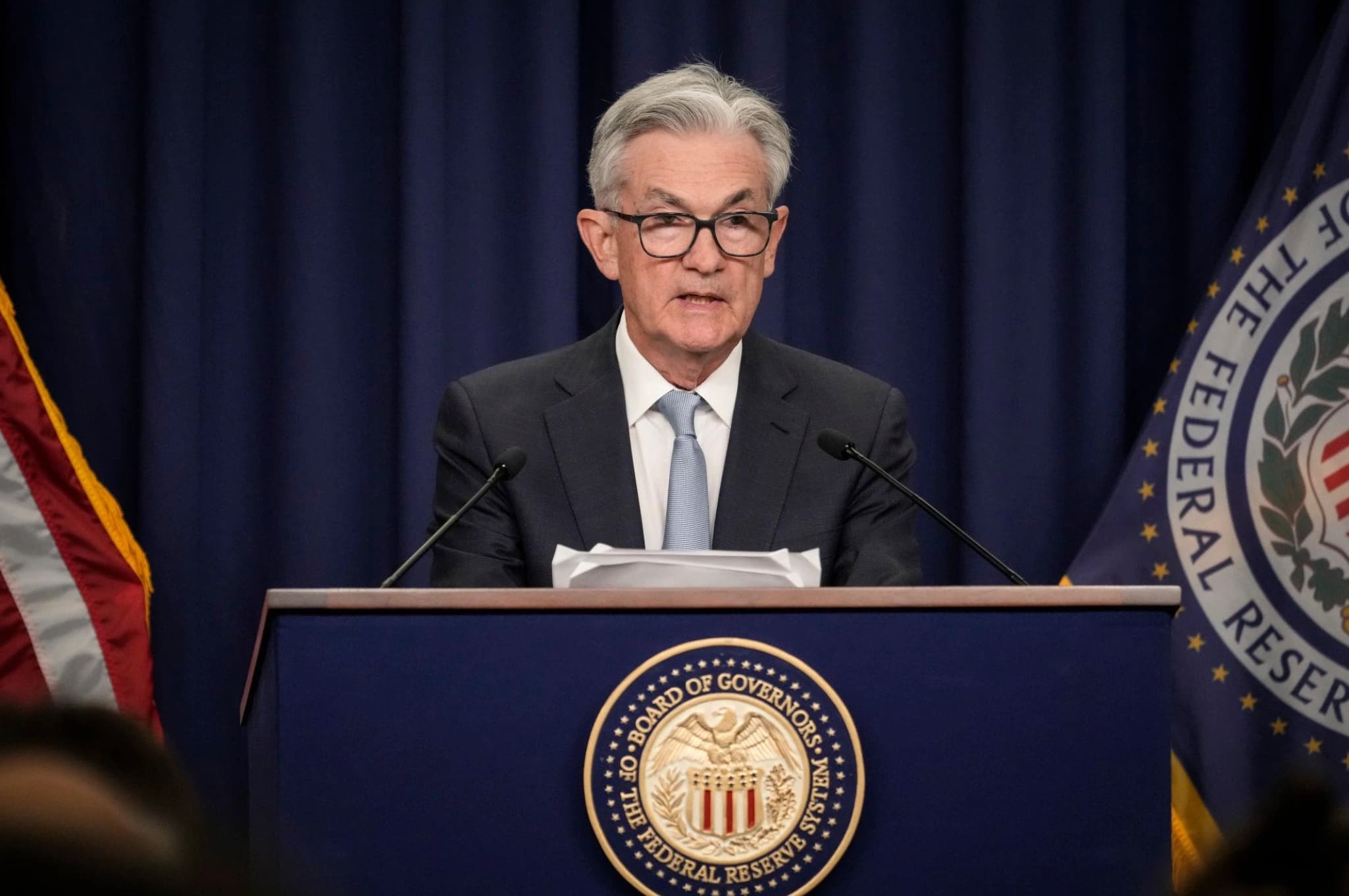
This is the data architecture that Warsh stood in front of at his October 29 press conference when he told the country that Americans "are still dealing with inflation that has been running above the Committee's objective for close to 6 years." That line was not boilerplate. It was a statement of intent dressed in historical context, and it landed with the bond market accordingly.
The FOMC Vote That Tells the Real Story
The 10–2 vote to hold at the October meeting is more important than the hold itself. Dissenters Lisa D. Cook and Beth M. Hammack both voted to raise rates by 25 basis points — immediately. That's not a committee on the fence. That's a committee where two members already believe the data justifies action, and where the remaining ten chose to pause, not to pivot. There's a meaningful difference between a 10–2 hold and a 12–0 hold. The former tells you the hike is coming; the only live question is timing.
Hammack is speaking this week — she's on the docket along with Fed Governor Michelle Bowman and four other officials in what amounts to the most consequential inter-meeting Fed speak window of the fourth quarter. None of these officials are currently under blackout. Every public comment carries market-moving potential. If Hammack doubles down on her October dissent with fresh language this week, watch the front end of the Treasury curve gap wider. The 2-year yield has been the live wire for this rate path debate, and a hawkish Hammack can move it.
The balance sheet is a secondary but non-trivial issue. Warsh confirmed the Fed's Balance Sheet Task Force won't deliver its recommendations to the FOMC until Q1 2027 — meaning quantitative tightening policy won't be formally reconsidered until early next year. For now, that removes one variable from the equation and keeps the market's focus squarely on the rate path. The December hike, if it materializes, would push the federal funds rate to 4.00%–4.25%.
What Traders Watch Between Now and December
Today's afternoon data slate is the first real-time Q4 momentum read. ISM Manufacturing PMI for October carries a consensus of 54.7 against a prior of 54.5 — a modest expansion expected to hold. More telling will be the ISM Services PMI at 54.8 (consensus), which covers the 70%-plus of the U.S. economy that runs on service activity. A Services print above 55.5 would confirm that demand-side inflation pressure is building into Q4, not fading. JOLTs Job Openings for September (consensus 7.10 million) land alongside those PMIs; a reading above 7.3 million would reignite wage-pressure concerns ahead of Friday's payrolls.
Friday is the data landmine. The October employment report is the last major labor market reading before the December 17–18 FOMC meeting. The Fed's dual mandate puts it in a bind when both growth and inflation overshoot simultaneously — which is precisely the current configuration. If nonfarm payrolls print above 200,000 with hourly earnings accelerating above 0.4% month-on-month, the December hike probability will not stay at 70.9%. It will breach 80%, and the 10-year Treasury yield will test levels not seen since September.
TLT — the iShares 20+ Year Treasury Bond ETF — is the cleanest expression of this trade for retail investors who don't operate in the futures market. It has already absorbed significant selling pressure as December hike expectations solidified over the past four weeks. A further leg lower in TLT is the mechanical consequence of a hot payrolls print on Friday, and traders should have that scenario fully mapped before the number drops at 8:30 a.m. ET. The DXY dollar index, meanwhile, has been the quiet beneficiary of the U.S. growth-inflation combo — foreign capital chasing yield into U.S. assets supports the dollar even as domestic savers feel the squeeze. Watch for DXY to re-test the 106 handle if this week's data confirms the December hike trajectory. The Fed's window to pause again is closing.
The Weekly Investor
Daily market analysis for active traders. Free.