December Fed Hike at 88%: What the Data Is Telling You
Cleveland Fed nowcasts Q4 annualized CPI at 5.03%. December Fed hike probability hits 88% as October 28 hold looks certain. What traders must price now.
Key Points
- The Cleveland Fed's inflation nowcast, updated October 19, puts Q4 annualized CPI at 5.03% — a figure that, if realized, makes the December 9 Fed hike not just likely but arithmetically necessary to maintain credibility.
- CME FedWatch puts December hike probability at 88%, up from an October meeting priced at 80% for a hold, as FOMC minutes from September explicitly stated "another increase would likely be appropriate by year end."
- Traders should be positioned for the October 28 Fed statement and Warsh press conference to function as a pre-commitment device for December — watch 10-year yields and the 2s10s spread for the market's real-time read.
The number that matters most from yesterday's Cleveland Fed update isn't the October CPI nowcast of +0.27% MoM or the +3.77% YoY headline — it's the Q4 annualized CPI tracking figure of 5.03%. That single data point, sitting well above the Fed's 2% target and accelerating on a quarterly basis, is why CME FedWatch is pricing an 88% probability of a December 9 rate hike even as October 28 is universally expected to be a hold. The Fed is not done, and the inflation data is making that argument without any help from Fed officials.
The Inflation Data the Fed Cannot Ignore
Start with what the Cleveland Fed is actually saying. The nowcast model, updated October 19, shows October CPI at +0.27% MoM and +3.77% YoY, with Core CPI at +0.21% MoM and +2.48% YoY. On the PCE side — the Fed's preferred measure — the model tracks +0.28% MoM and +3.73% YoY overall, with Core PCE at +0.25% MoM and +3.13% YoY. Core PCE at 3.13% annualized is 113 basis points above the Fed's target. Five years above 2% is not a policy success story; it is a credibility problem.
The September CPI print already confirmed the trend: consumer prices rose 3.7% YoY last month, with Core CPI at +2.6% YoY. That September core reading looks manageable in isolation, but context changes the picture entirely. The Cleveland nowcast's Q4 annualized CPI tracking of 5.03% suggests the base effects and energy repricing from the Middle East conflict are pushing the quarterly inflation run-rate sharply higher even as the year-over-year comparisons appear relatively contained. Traders who anchor on year-over-year figures and miss the quarterly acceleration are going to be wrong-footed on the December decision.
The Atlanta Fed GDPNow model, holding steady today at 3.6% for Q3, reinforces the problem. An economy growing at 3.6% with inflation running at 5.03% on a Q4 annualized basis is not an economy that needs 3.75%–4.00% rates — it needs higher rates. The Atlanta Fed number gives the Fed no cover to pause on growth concerns. Minneapolis Fed President Neel Kashkari described the economy as "resilient" last week, with the labor market "pretty good" despite unemployment ticking up to 4.2%. That is not the language of a Fed preparing to stand down.
Warsh, October 28, and the December Setup
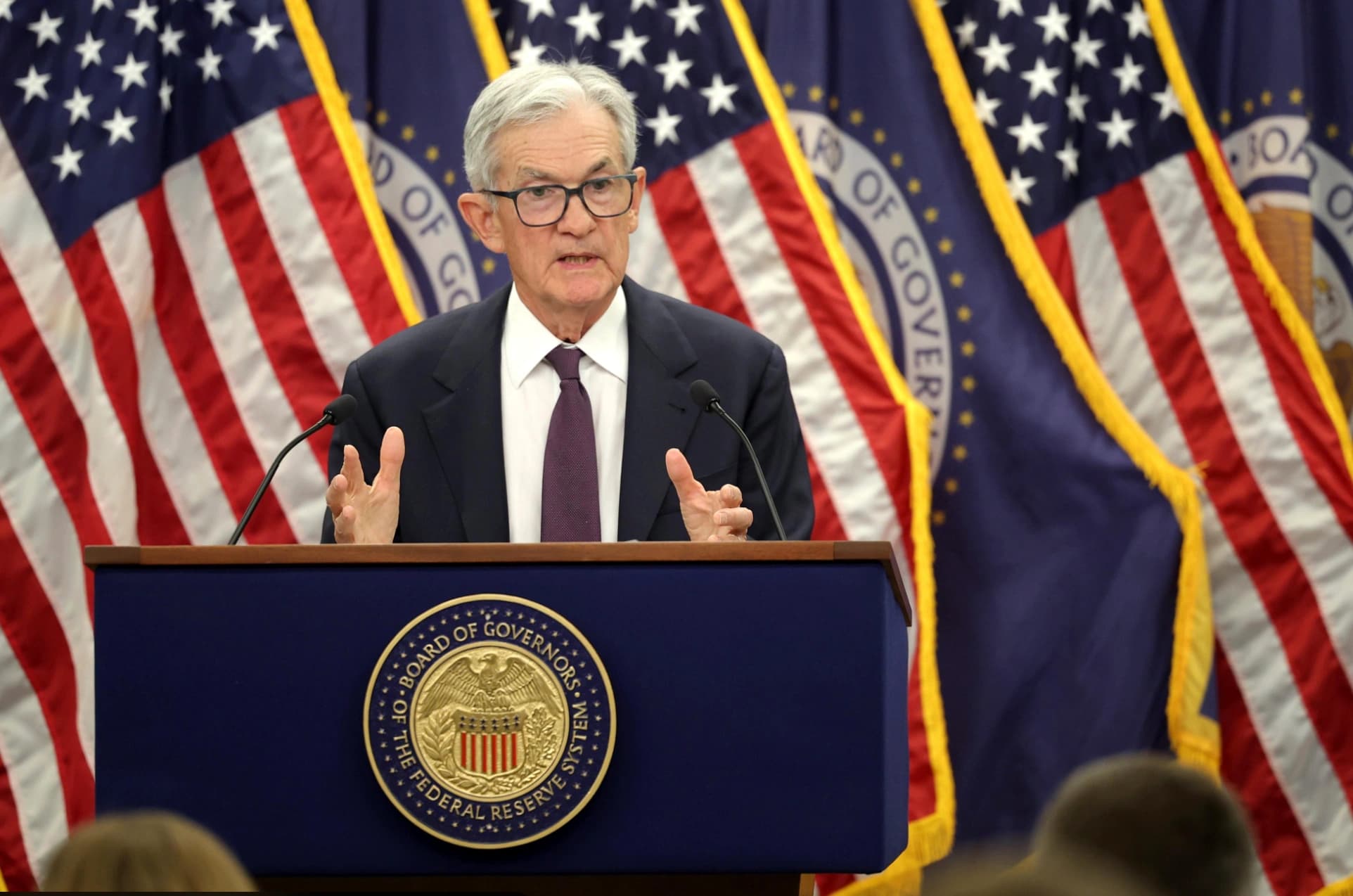
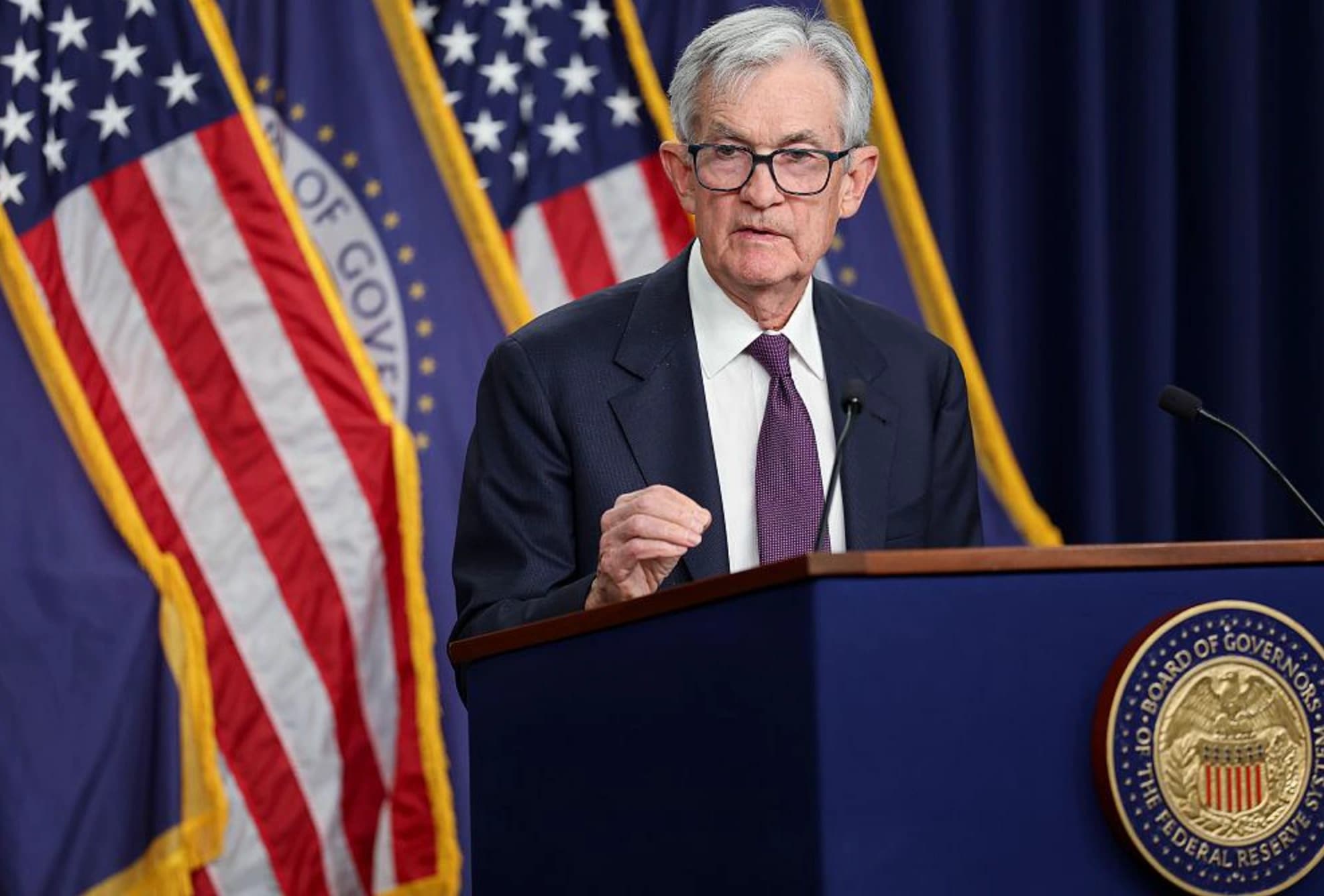
The October 28 meeting is a hold, and 80% market pricing on that outcome is probably too low — the number should be closer to 95%. What October 28 is not, however, is a non-event. Fed Chair Kevin Warsh has systematically dismantled the traditional forward guidance framework that his predecessors used to telegraph decisions weeks in advance. That means the October 28 press conference carries more information than a typical hold meeting, because traders cannot rely on pre-positioned Fed-speak to know where Warsh's head is going into December 9.
What they can rely on is the September FOMC minutes, released October 7, which stated that "most participants assessed that another increase in the target range for the federal funds rate would likely be appropriate by year end." That is unusually direct language for meeting minutes, and it was deliberate. The Fed rarely uses "likely appropriate" in minutes without intending to move the market's probability distribution. Combined with J.P. Morgan Wealth Management Chief Global Investment Strategist Phil Camporeale's base case of an additional 50 bps of tightening into 2027 — effectively reversing the 75 bps of easing done at the end of 2025 — the institutional consensus is clearly biased toward more, not less.
The housing data released this morning adds a layer of complexity. Monday's NAHB Housing Market Index for October came in at 29.0, missing the 31.0 forecast and down from 32.0 the month prior. With MBA 30-year mortgage rates last at 7.5%, the housing sector is already pricing in the pain of the current rate environment. September Housing Starts consensus was 1.31M against a prior 1.275M — already depressed by historical standards. The Fed knows housing is contracting. The question is whether a 5.03% Q4 annualized CPI trajectory overrides the housing signal, and historically, the answer has been yes when the labor market remains intact.
What Traders Should Price Before December 9
The 10-year Treasury yield is the instrument that most cleanly captures the forward-hike narrative. At current levels, the 10-year reflects a December hike as nearly certain, but it has not fully priced the J.P. Morgan scenario of an additional 50 bps into 2027. If October 28's Warsh press conference explicitly validates that path — or if Thursday's Initial Jobless Claims print comes in below the 199K prior, tightening the labor market read — the 10-year should press higher and the 2s10s spread will steepen as longer-end yields reprice cumulative terminal rate expectations.
Friday's data calendar is also more important than the consensus view suggests. The S&P Global Services PMI flash for October, forecast at 58.0 versus a prior 58.8, and Manufacturing PMI at 55.5 versus 55.9 prior, would both still be in deeply expansionary territory at those levels. A beat on either reading reinforces the "resilient economy plus hot inflation" narrative that justifies December. Michigan 1-Year Inflation Expectations, forecast at 4.7% — matching the prior — rounds out the week; a move higher there would directly pressure the Fed to act.
The specific setup to monitor: if the 10-year yield breaks and holds above 4.75% before October 28, the bond market is telling you it sees the Warsh statement as hawkish enough to accelerate December pricing. Below 4.50%, the market is pricing a softer outcome — possibly Warsh leaving more ambiguity in the statement than the FOMC minutes implied. The October 28 press conference, the November CPI print due in mid-November, and the December 9 decision itself form a three-step sequence, and every data point between now and then either tightens or loosens the Fed's December trigger. With Q4 annualized CPI tracking at 5.03%, the burden of proof is squarely on the data to give the Fed a reason not to move — not the other way around.
The Weekly Investor
Daily market analysis for active traders. Free.