Fed Minutes Kill the Hold: December Hike Is Certain
FOMC October minutes confirm rate hikes are coming. Waller floats 50bp in December. Dollar hits 19-month high. Here's what traders must watch.
Key Points
- The FOMC October minutes show near-unanimous agreement that further rate increases are appropriate, with two dissents already lodged in favor of an immediate hike at the October meeting.
- Fed Governor Christopher Waller's public call for a 50-basis-point increase in December — framed as necessary to break a 3% inflation expectation that has become entrenched — is the single biggest tail risk the bond and equity markets are not fully pricing.
- Five Fed speakers hit the circuit today between 2:50 PM and 10:00 PM ET; any alignment with Waller's 50bp framing will push December hike pricing sharply higher and extend the DXY's 19-month high at 103.78.
The Fed is no longer debating whether to hike in December — it's debating whether 25 basis points is enough. Wednesday's release of the FOMC October minutes confirmed that nearly all officials believe further increases in the federal funds rate are appropriate in coming months, and the Dollar Index responded immediately, climbing 0.21% to 103.78, a 19-month high and fresh year-to-date peak. The only open question going into the December 17–18 meeting is the size of the move.
The Minutes Remove All Ambiguity
The language in the October minutes is unambiguous in a way that Fed communication rarely is. "Nearly all officials" supporting further hikes isn't hedged dovish language — it's the committee telling markets what is coming. At the October meeting itself, the Fed held the benchmark rate steady at 3.75%–4.00%, but that hold was explicitly conditional: those who voted to stay put did so only on the basis that the Fed would send a clear signal that additional tightening was likely. That signal has now been sent in writing.
Two governors didn't even want to wait. Fed Governor Lisa Cook and Cleveland Fed President Beth Hammack both dissented at the October meeting, voting for an immediate 25-basis-point increase. Hammack is scheduled to speak at 2:50 PM ET today — the first of five Fed officials on the circuit between now and 10:00 PM ET — and given that she was willing to break publicly with the majority six weeks ago, her remarks carry above-average market-moving potential. The other four speakers are Vice Chair Philip Jefferson (3:25 PM ET), Chicago Fed President Austan Goolsbee (6:30 PM ET), Governor Michael Barr (8:15 PM ET), and Richmond Fed President Thomas Barkin (10:00 PM ET).
The backdrop for all five speeches is an inflation picture that has gotten worse, not better, since October. CPI jumped to 3.7% year-over-year in September, up from 3.4% in August, and Core PCE — the Fed's preferred gauge — printed at 3.1%, accelerating from 3.0%. With the Fed's target still at 2%, the committee is looking at a 110-basis-point gap on its preferred measure and a 170-basis-point gap on headline CPI. That is not a committee that pauses.
Waller's 50bp Call Is the Tail Risk
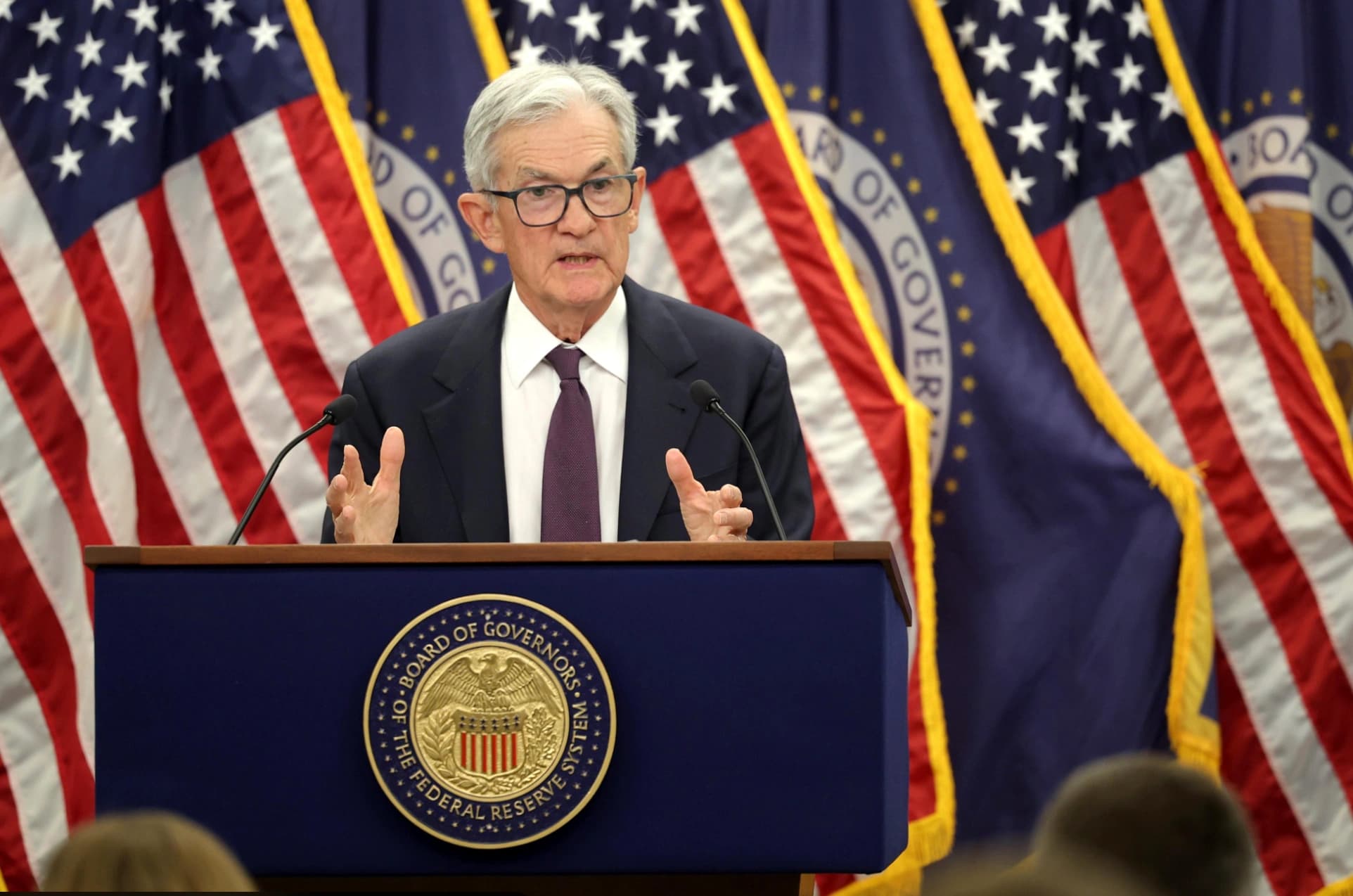
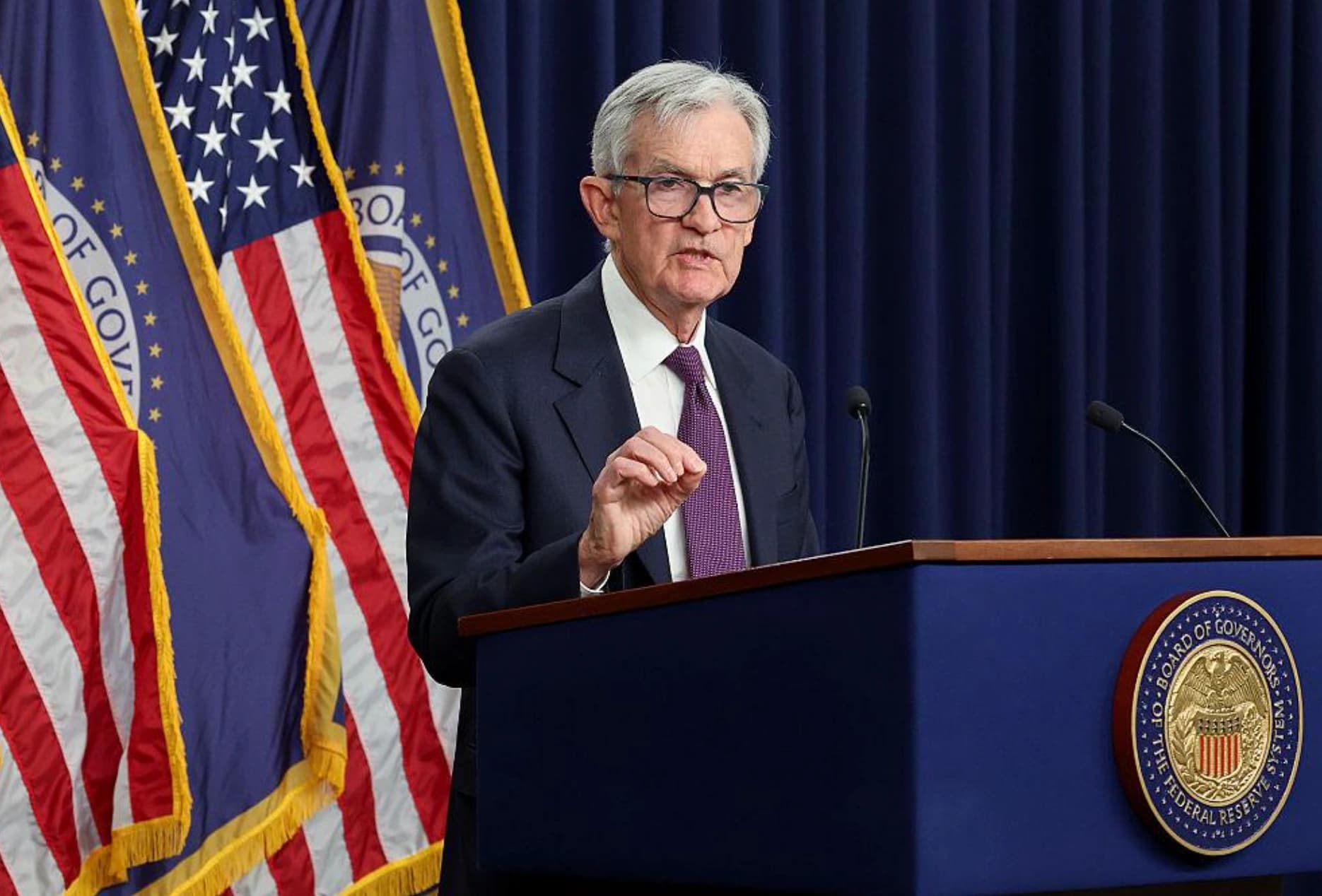
The standout development from Wednesday is not the minutes themselves — sophisticated market participants had already priced a December hike as near-certain — but what Fed Governor Christopher Waller said publicly alongside them. Waller went materially further than the consensus, arguing that to bring inflation back to target, the Fed may need to deliver a one-time 50-basis-point increase in December, or at minimum clearly signal an acceleration of rate hikes into 2027. His explicit framing — that the Fed may need to give markets a "shock" to break the growing expectation among businesses and consumers that 3% inflation is simply the new normal — is the most hawkish language from a sitting Fed governor in this cycle.
That framing matters for a specific reason: behavioral expectations. If 3% becomes anchored as the de facto inflation floor, the Fed's credibility problem compounds with every passing quarter. Waller is essentially arguing that the cost of gradualism now is higher than the cost of front-loading. That is a direct echo of the 2022 pivot to 75-basis-point moves — a regime shift, not a marginal adjustment.
For traders, the operational question is whether the market is priced for 50. The DXY move to 103.78 reflects 25bp pricing plus a risk premium — it does not fully embed a 50bp scenario. The 2-year Treasury yield, the most rate-sensitive instrument on the curve, is the place to watch for real-time repricing. Any speaker today who echoes Waller's shock language — even indirectly — will push the front end of the curve higher and hit rate-sensitive equities, particularly REITs, utilities, and high-multiple growth stocks that have been holding up on the assumption that the hiking pace stays gradual.
What Traders Watch Next
The five Fed speakers today are not equally weighted. Hammack's remarks at 2:50 PM ET carry the most signal value: she has already revealed her hand as a hawk willing to dissent publicly, and she is a voting member. If she explicitly endorses 50bp or references Waller's framing favorably, that is a market-moving headline. Jefferson, as Vice Chair, is institutionally the second-most important voice — his job is typically to represent the chair's consensus view, so any hawkish lean from Jefferson would be significant precisely because it would suggest Powell's own thinking is shifting toward the aggressive end.
The macro data flow running into December 17–18 will either confirm or complicate the case for 50. The October PCE print — the most important remaining data point before the December meeting — drops on November 25, the same day as the Q3 GDP second estimate. Core PCE running at or above 3.1% again would almost certainly push the 50bp camp into majority territory. Any acceleration above 3.2% would make 50bp the base case, not the tail risk.
The Atlanta Fed's GDPNow tracker currently sits at 3.4% for Q4 2026, unchanged after this week's retail sales, import/export prices, and industrial production data. A 3.4% GDP growth rate running alongside 3.1% core PCE is the Fed's nightmare combination: a hot economy that doesn't need rate relief, with inflation that hasn't responded to 375 basis points of cumulative tightening. That combination argues for Waller's position, not against it. The December 17 decision is not a coin flip — it's a question of magnitude. Traders who are still positioned for a hold are offside. The debate has moved on.
The Weekly Investor
Daily market analysis for active traders. Free.