Central Bank Super Week: BoC Today, ECB and BoE Thursday
Five G10 central banks decide policy in 72 hours. Bank of Canada leads at 9:45 AM ET today, with ECB and BoE on Thursday and BoJ on Friday.
Key Points
- Five G10 central banks are issuing policy decisions within a 72-hour window, with the Bank of Canada releasing its decision and a new Monetary Policy Report at 9:45 AM ET today.
- Australia's trimmed mean CPI came in at 3.6% YoY for September, materially above the RBA's forecast and pushing the probability of a November RBA hike above 60%.
- The single most market-moving event of the week outside the Fed may be the Bank of Japan's Friday decision, where a hawkish Outlook Report could reprice global carry trades instantly.
The Bank of Canada decides at 9:45 AM ET this morning — the second major policy announcement on a day already dominated by the FOMC at 2:00 PM ET. By Friday's close, five G10 central banks will have spoken. The cumulative signal from Ottawa, Frankfurt, London, and Tokyo will either confirm or complicate the global tightening narrative that has driven long-duration sovereign yields to cycle highs and pushed currency volatility to levels not seen since the 2022–2023 hiking cycle.
Bank of Canada: Seven Holds and Counting
The BoC has held its policy rate flat for seven consecutive meetings, sitting at 2.25% — a rate that looks increasingly comfortable relative to the inflation and growth dynamics now facing the Canadian economy. Today's decision comes packaged with a new Monetary Policy Report and updated forecasts, which makes it a more substantive event than a simple hold-or-hike binary. The macro crosscurrents are acute: trade tensions with the United States, a domestic economy carrying excess supply, and an energy price shock that has sent Canadian gasoline prices up 27.8% year-over-year in September. That gasoline print is the number that complicates the BoC's messaging most directly — it is large enough to push headline inflation higher while being supply-driven enough that the Bank could credibly look through it, if underlying inflation cooperates.
Underlying inflation, however, is the qualifier. The BoC's preferred core measures — CPI-median and CPI-trim — have remained more contained than the headline, but the energy shock has a documented second-round effect on transportation costs and utility bills that filters into core within one to two quarters. Governor Tiff Macklem's team will need to address in today's MPR whether the September data changes their terminal rate view, and whether the seven-meeting hold constitutes genuine patience or policy complacency at a moment when the U.S. Fed is actively hiking. A widening Canada-U.S. rate differential of 150 basis points — with the Fed at 3.75%–4.00% and the BoC at 2.25% — has been weighing on the Canadian dollar, and any language today that signals continued divergence will pressure CAD further.
Financial markets are not fully pricing a BoC hold as a foregone conclusion. The Bank has explicitly not committed to a year-end hold, and with the MPR providing fresh forecasts, there is at least a non-trivial scenario in which updated inflation projections force a hawkish shift in forward guidance even if the rate itself stays unchanged today. Traders should watch the MPR's 2027 inflation forecast in particular — if it is revised higher, the probability of a Q1 2027 hike will reprice immediately.
ECB Thursday, BoJ Friday — The Bigger Systemic Risks
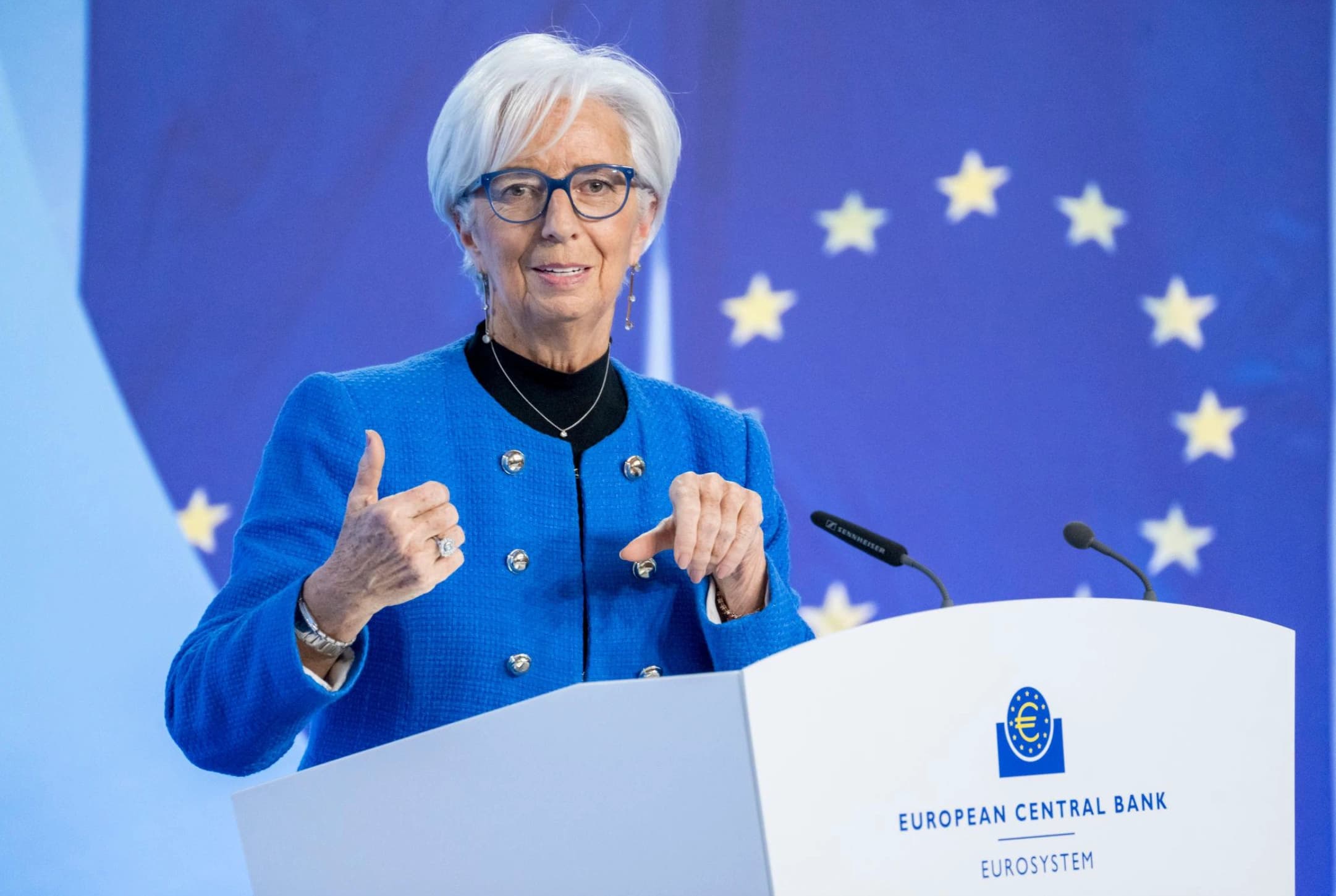
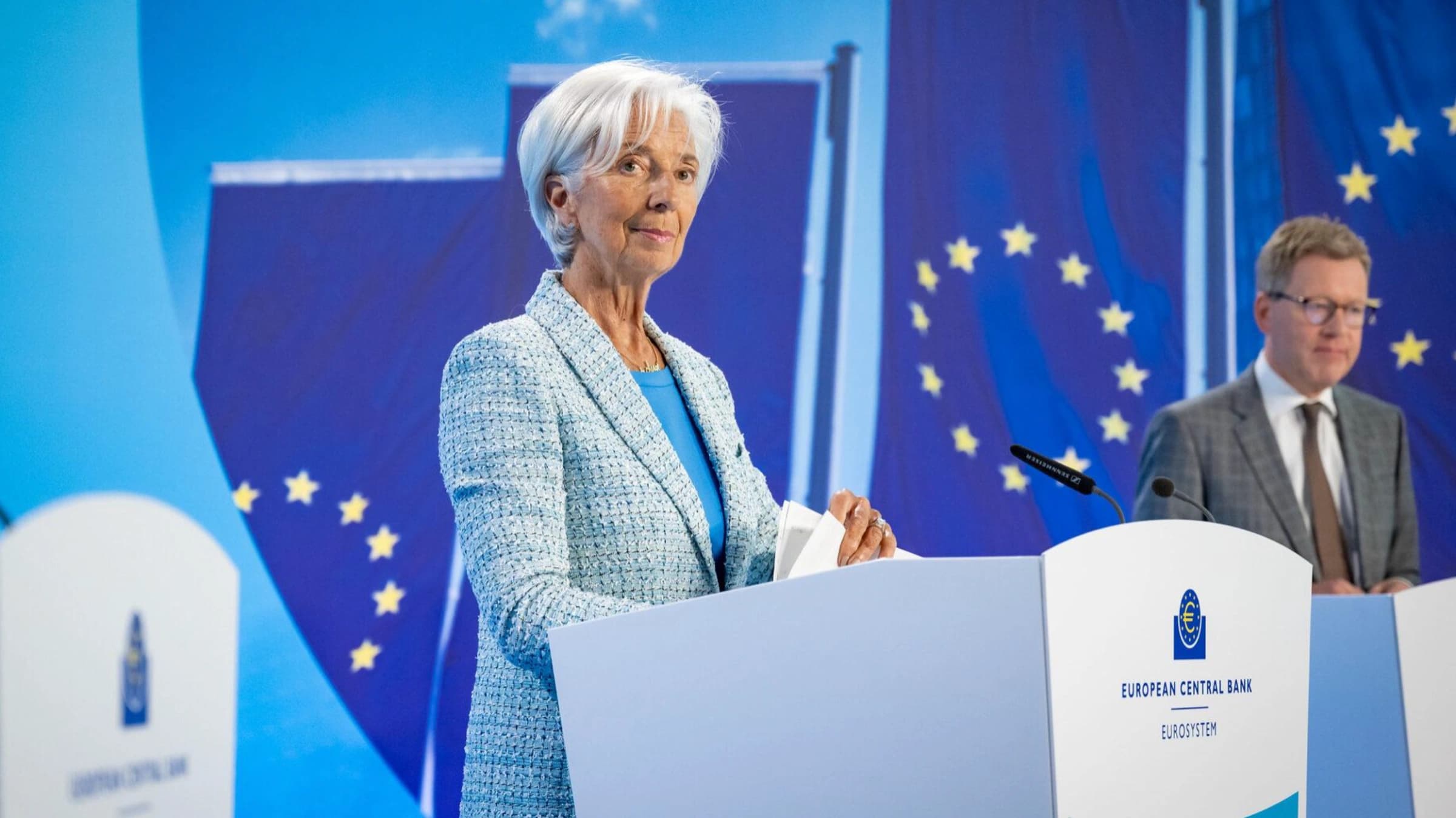
The European Central Bank's October 29 decision carries a specific tension that the BoC does not: the ECB raised all three of its key rates by 25 basis points as recently as September 10, 2026, taking the deposit facility rate to 2.50%, the main refinancing rate to 2.65%, and the marginal lending rate to 2.90%. That move was data-dependent and narrow — and Thursday's decision will test whether the energy-driven inflation pass-through has spread into underlying eurozone prices. A survey of 73 economists found 70 expecting a hold. The three dissenting views matter: they represent the scenario in which Eurozone core inflation has surprised sufficiently to the upside that President Christine Lagarde uses Thursday's press conference to signal a November or December hike is under active consideration.
The Bank of England sits at 3.75%, its last move being a 25bp cut on December 18, 2025 — a cut that looks premature given where UK inflation and energy prices have moved since. Thursday's BoE decision will be read in part as a verdict on whether that December cut was the start of an easing cycle or a one-off. If the BoE holds and signals no additional cuts near-term, it retroactively validates the hawks who opposed the December move and narrows the divergence between the BoE and the ECB. Sterling traders will be watching the vote split as closely as the decision itself — an 8-1 or 7-2 vote to hold carries different messaging than a 5-4, and the Bank of England's communication on energy pass-through will mirror almost exactly what the ECB is wrestling with 24 hours earlier.
The Bank of Japan on Friday is the highest-stakes decision of the week for global markets, and arguably for the global carry trade. The BoJ raised its policy rate by 25bp on September 18, 2026, to 1.25% — the most aggressive pace of normalization from the Bank in decades. Friday's decision comes with the Outlook Report, which will update the BoJ's inflation and growth projections through fiscal year 2028. Governor Kazuo Ueda has been carefully calibrated in his communication, but a Outlook Report that revises up the BoJ's core CPI trajectory would signal the real policy rate in Japan remains too accommodative, and could trigger a significant yen appreciation. A move in USD/JPY of even 150–200 pips on a hawkish BoJ surprise would be enough to unwind meaningful carry positions funded in yen, with second-order effects on emerging market assets and risk appetite broadly.
Australia's CPI Print Resets the RBA Calculus
The most underpriced risk in this week's central bank lineup may not be in Europe or Japan — it is in Australia, where the RBA is not meeting this week but where today's inflation data has materially reset the odds for November. Australia's trimmed mean CPI, the RBA's preferred underlying measure, came in at 3.6% year-over-year for September. That number matters because RBA Deputy Governor Andrew Hauser had already warned ahead of the release that the inflation outlook looked "materially worse" than the RBA had forecast — and the 3.6% print confirmed that the central bank's forward projections were too optimistic. Markets had already pushed the probability of a November RBA hike above 60% before today's data; after the 3.6% print, that probability will reprice higher again.
The RBA's situation crystallizes the global theme binding this entire super week together: inflation that was supposed to have been broken by 2025 has proven stickier than models predicted, energy shocks from geopolitical conflict have added a supply-side component that monetary policy cannot directly address, and labor markets in most G10 economies — with the notable exception of the United States — remain tight enough to sustain wage growth above levels consistent with 2% inflation targets. The result is a global central bank cohort that entered 2026 expecting to be debating cuts and is instead debating how many more hikes remain.
For dollar index traders, the 72-hour window from this morning's BoC decision through Friday's BoJ announcement represents the single highest-density central bank event risk of the quarter. The DXY has been supported by the Fed's relative hawkishness, but a hawkish BoJ Outlook Report on Friday that lifts the yen, combined with a hawkish ECB press conference on Thursday, could compress the rate differential that has been the primary dollar support. The specific level to watch on DXY heading into Friday's Tokyo session: any sustained break below 104.50 on a BoJ hawkish surprise would signal the differential trade is unwinding faster than consensus expects, and would be the clearest signal yet that the dollar's rate advantage is narrowing at both ends of the Atlantic and Pacific simultaneously.
The Weekly Investor
Daily market analysis for active traders. Free.