Bank of England Hiked to 4% — ECB and BOJ Hold: What's Next
BoE raised to 4.00% on Nov. 5, ECB held at 2.65%, BOJ held at 1.25% — three central banks, three divergent paths into December. Here's what traders need to know.
Key Points
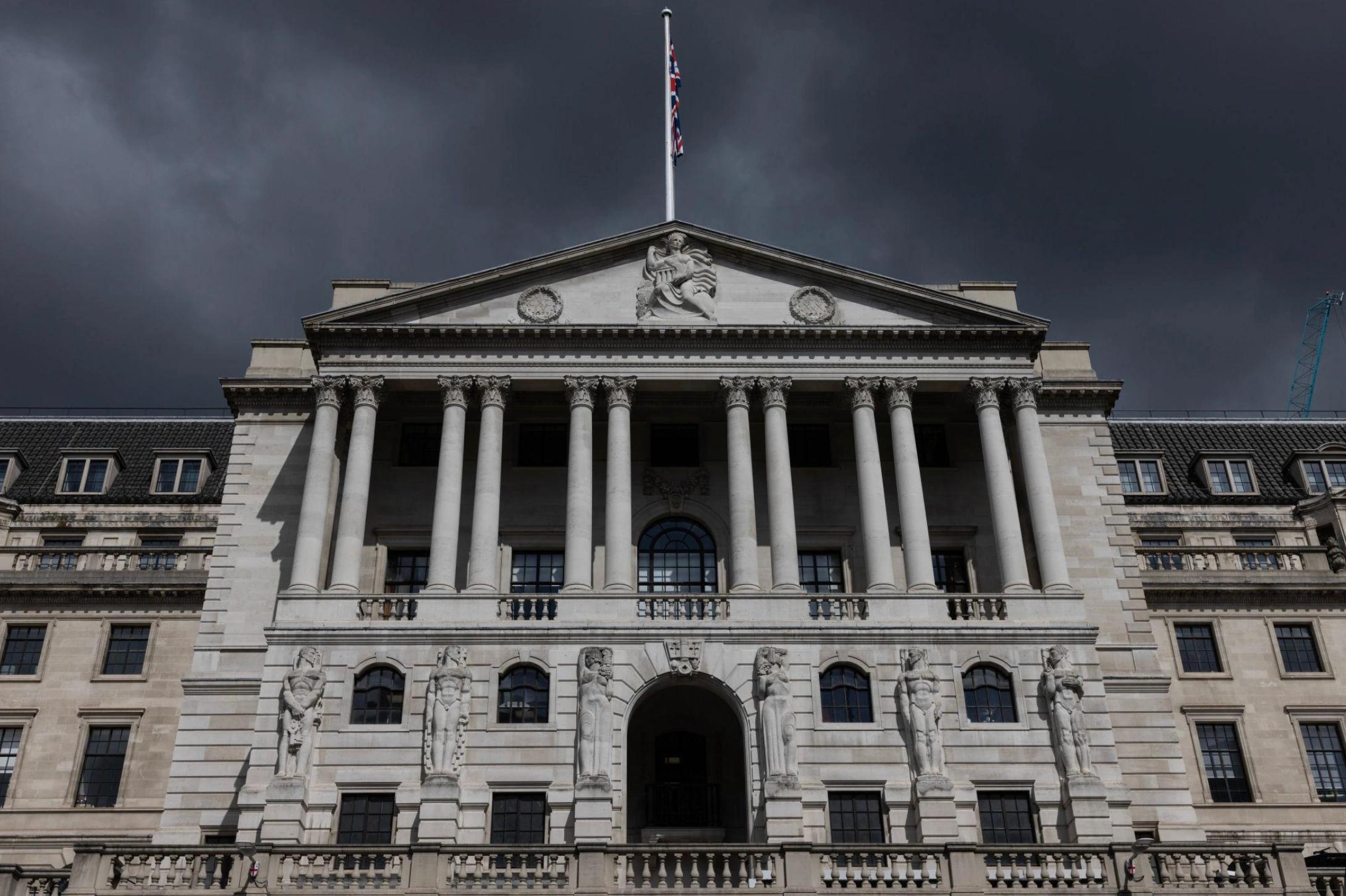
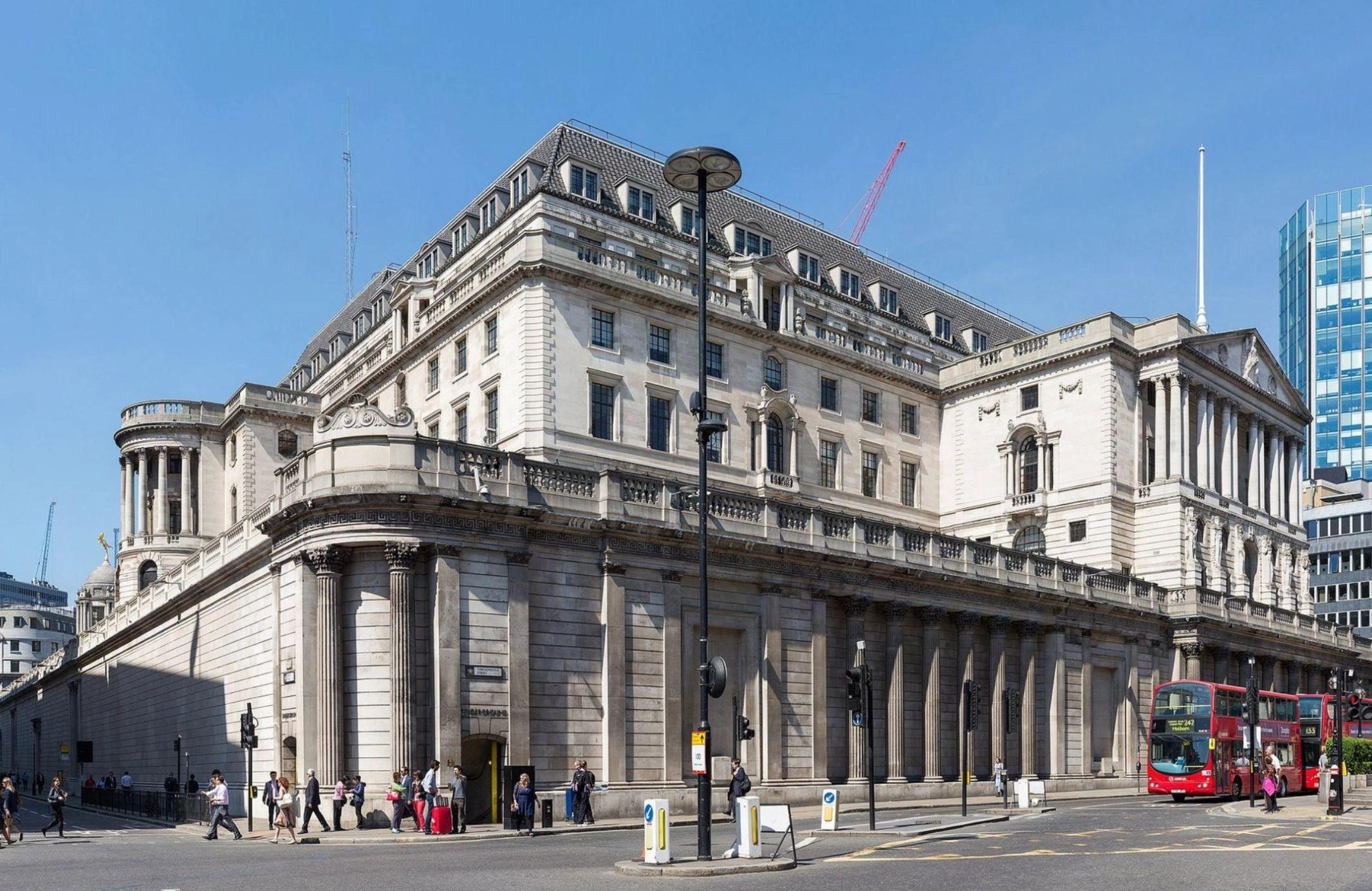
- The Bank of England raised rates 25 basis points to 4.00% on November 5 in an 8–1 vote, with one dissenter pushing for an immediate move to 4.25%.
- Three of the world's major central banks — BoE, ECB, and BOJ — are running divergent policy paths despite a shared energy inflation shock, creating cross-currency volatility into year-end.
- All three next meet on December 17–18, compressing a month of data into a single week of decisions that will reset global rate expectations for 2027.
The Bank of England moved to 4.00% on November 5 while the ECB sat at 2.65% and the Bank of Japan held at 1.25% — three central banks facing variants of the same energy-driven inflation problem and arriving at three entirely different conclusions. That divergence, compressing into a single decision week of December 17–18, is the most underpriced global macro risk heading into year-end.
Three Banks, One Shock, No Consensus
Energy prices are the shared variable, but the policy responses reveal how differently the same input reads across institutional mandates, domestic demand conditions, and inflation histories. The Bank of England's November 5 decision was not close at the headline level — an 8–1 majority for 25 basis points — but the internal debate was more aggressive than the vote suggests. MPC member Catherine Mann dissented in favor of a 50-basis-point move directly to 4.25%, an unusually hawkish minority position that tells traders the ceiling on BoE rates has not been established. Mann's dissent is not noise; she has been consistently ahead of the committee's curve on inflation persistence, and her preference for front-loading tightening reflects a view that the energy shock is not a one-off but a structural repricing with wage implications.
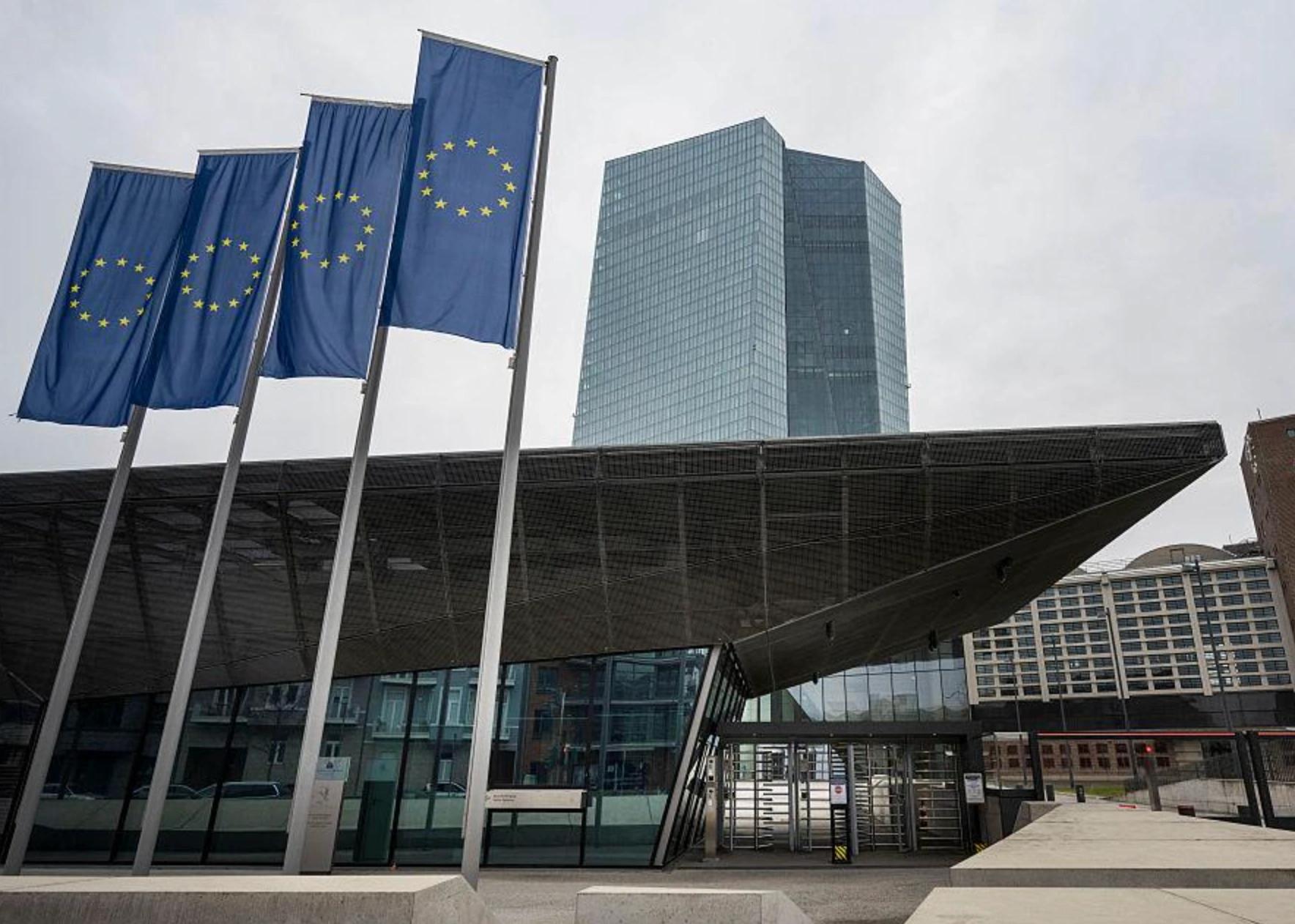
The ECB's October 29 unanimous hold at 2.65% was the mirror image: a committee that sees energy lifting headline numbers but has not yet found evidence of second-round effects in wages or underlying services inflation. The distinction matters enormously for policy. Second-round effects — where energy costs feed into wage demands, which then feed into broader price pressures — are the mechanism that transforms a commodity shock into a durable inflation problem. ECB President Christine Lagarde has been explicit that the December 17 decision hinges on the wage data arriving between now and then. Without wage acceleration, the ECB's base case remains a hold, with easing not off the table in early 2027 if financial conditions continue to tighten organically through sovereign spreads and credit costs.
The BOJ's Inflection Point
Japan's situation is the most structurally significant of the three, and the most underappreciated by Western traders anchored to the Atlantic policy debate. The Bank of Japan held at 1.25% on October 30, but the context of that hold is different in kind from the ECB's. Underlying inflation in Japan reached the BOJ's 2% target for the first time since the target was formally adopted — a threshold that the institution spent over a decade failing to reach through extraordinary stimulus. The lone dissenter in the 8–1 vote wanted an immediate move to 1.50%, reflecting urgency that the yen's depreciation and semiconductor-driven demand are creating inflationary dynamics that compound if the BOJ moves too slowly.
Governor Kazuo Ueda has navigated this cycle with deliberate gradualism, and the October hold suggests the committee wants one more quarter of data confirming that 2% inflation is durable rather than transitory before moving again. That caution is rational given Japan's deflation history, but it carries a cost: every month the BOJ holds below neutral while inflation sits at target, the real policy rate becomes more negative, which further weakens the yen and imports additional price pressure. Markets currently price a 75% probability of a hold at the December 18 meeting, but that consensus is fragile. A single strong wage print or yen break below key levels before December 18 could shift that rapidly.
What Traders Watch Into December 17–18
The compression of three major central bank decisions into December 17 and 18 creates a sequencing problem for global portfolio managers. The Fed moves December 9, resetting dollar expectations and Treasury yields before the BoE, ECB, and BOJ have spoken. If the Fed delivers a hawkish hold with an aggressive dot plot, the dollar strengthens against sterling, euro, and yen simultaneously — which amplifies inflation in both the UK and Japan (where import costs rise in local currency terms) while providing marginal relief to the ECB's energy import bill. That dollar feedback loop is the transmission mechanism that links what happens at the Marriner Eccles Building on December 9 to what happens in London, Frankfurt, and Tokyo nine days later.
For sterling specifically, the BoE's path to 4.25% — which Catherine Mann's dissent put explicitly on the table — depends on whether November wage data, due before December 17, shows any sign of deceleration. UK wage growth has been running above 5% annualized; a print that holds at that level or accelerates would make a December hike the base case rather than the tail risk. For the euro, the ECB's December meeting is live only in the downside direction: the question is not whether Lagarde hikes but whether she signals that cuts are approaching if energy fades. For the yen, the BOJ's forward guidance framework becomes the instrument — even a hold with language acknowledging that underlying inflation has sustainably hit 2% would be interpreted as a December or January hike signal by a market that has been wrong about BOJ timing repeatedly.
The specific level to watch is dollar-yen at 152: historically a threshold at which the Ministry of Finance has intervened, and currently a gravitational point around which BOJ communication becomes more urgent. If dollar-yen pushes through 152 between now and December 18 on the back of a hawkish Fed, the probability of a BOJ surprise hike — moving before December 18 or delivering 25 basis points on the day — rises materially above the current 25% market pricing. That is the tail scenario that reshapes global duration trades heading into 2027, and it starts with the data hitting screens at 8:30 this morning.
The Weekly Investor
Daily market analysis for active traders. Free.