Three Central Banks, One Message: December Hikes Are Coming
Fed, ECB, and BoJ all held in October but signaled December moves. With BoE hiking tomorrow, the global tightening cycle is not over — it's accelerating.
Key Points
- The Fed, ECB, and BoJ all held rates in the final week of October but each explicitly telegraphed December hikes, while the Bank of England is expected to deliver a 25 basis point hike tomorrow.
- Inflation is running at approximately 3.5%–3.8% across the largest Western economies, leaving no major central bank in a position to pivot despite slowing growth signals at the margin.
- The coordinated December hike window — FOMC on December 8-9, BoJ on December 18, ECB in mid-December — represents the most concentrated global tightening event since 2022.
In the span of five trading days last week, four of the world's most powerful central banks — the Federal Reserve, the European Central Bank, the Bank of Japan, and effectively the Bank of England through explicit forward guidance — all delivered variants of the same message: rates are going higher in December. The BoE makes it official tomorrow at 12:00 UTC, expected to raise Bank Rate 25 basis points from 3.75% to 4.00% in what would be its first hike of 2026. The question for traders is not whether December brings more tightening globally — it almost certainly does — but whether financial markets have fully priced four simultaneous hikes across the largest economies in the world.
The October Consensus Nobody Planned
The October central bank calendar was not supposed to look like this. Coming into the month, there was genuine debate about whether the Fed would hold indefinitely, whether the ECB had reached terminal, and whether the BoJ's cautious normalization path would remain on its glacial pace. What emerged instead was a remarkable unanimity of hawkish holds — decisions to pause that were packaged with enough forward guidance to function, in market terms, as conditional commitments to act in December.
The Fed's October 28 decision was a 10-2 hold at 3.75%–4.00%, with Governors Cook and Hammack dissenting for an immediate hike. That dissent is not a footnote — it is a signal that the committee's center of gravity has shifted. Chairman Warsh upgraded the economic assessment from "solid" to "strong" and described inflation as "elevated," language that is inconsistent with any near-term easing bias. The Fed last hiked in September, its only move of 2026, taking rates from 3.50%–3.75% to 3.75%–4.00%. If December delivers another 25 basis points, the federal funds rate will end the year at 4.00%–4.25% — a level that is unambiguously restrictive by any historical standard and one that markets had not fully priced as recently as six weeks ago.
The ECB's October 29 Governing Council meeting produced a similarly constructed hold. President Lagarde cited rising energy prices as both an upside inflation risk and a downside growth risk — the central bank's version of saying it cannot win cleanly either way. The deposit rate remains at 2.50% following two hikes in 2026, and Reuters sources have reported that ECB policymakers envision a December hike followed by a pause. Lagarde's explicit refusal to pre-commit to a rate path, combined with that sourced reporting, is the ECB's version of hawkish optionality: it wants the market to price December without being forced to deliver it if the data deteriorates sharply.
Four Banks, Four Clocks, One Window
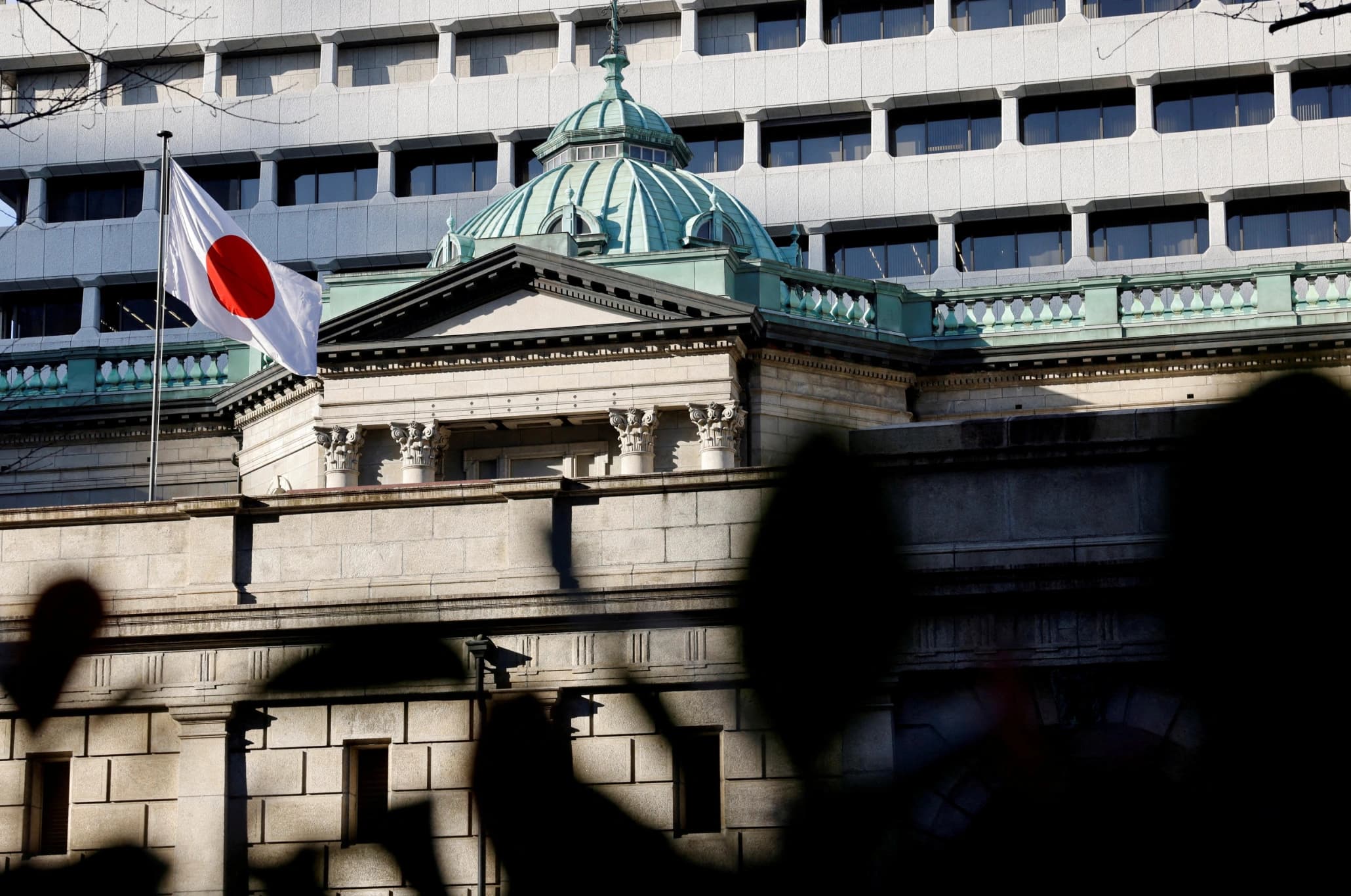
The Bank of Japan's October 30 decision — an 8-1 hold at 1.25% — was the most consequential of the four for global capital flows. Board member Takata's dissent in favor of an immediate hike to 1.50% marked the first explicit BoJ dissent of this normalization cycle from the hawkish direction and introduced a new dynamic: the BoJ is no longer unanimously patient. Governor Ueda's statement that underlying inflation has reached levels consistent with the price target, combined with the acknowledgment that upside price risks are "skewed to the upside," effectively confirmed that December 18 — the BoJ's next scheduled decision — is live for a move to 1.50%.
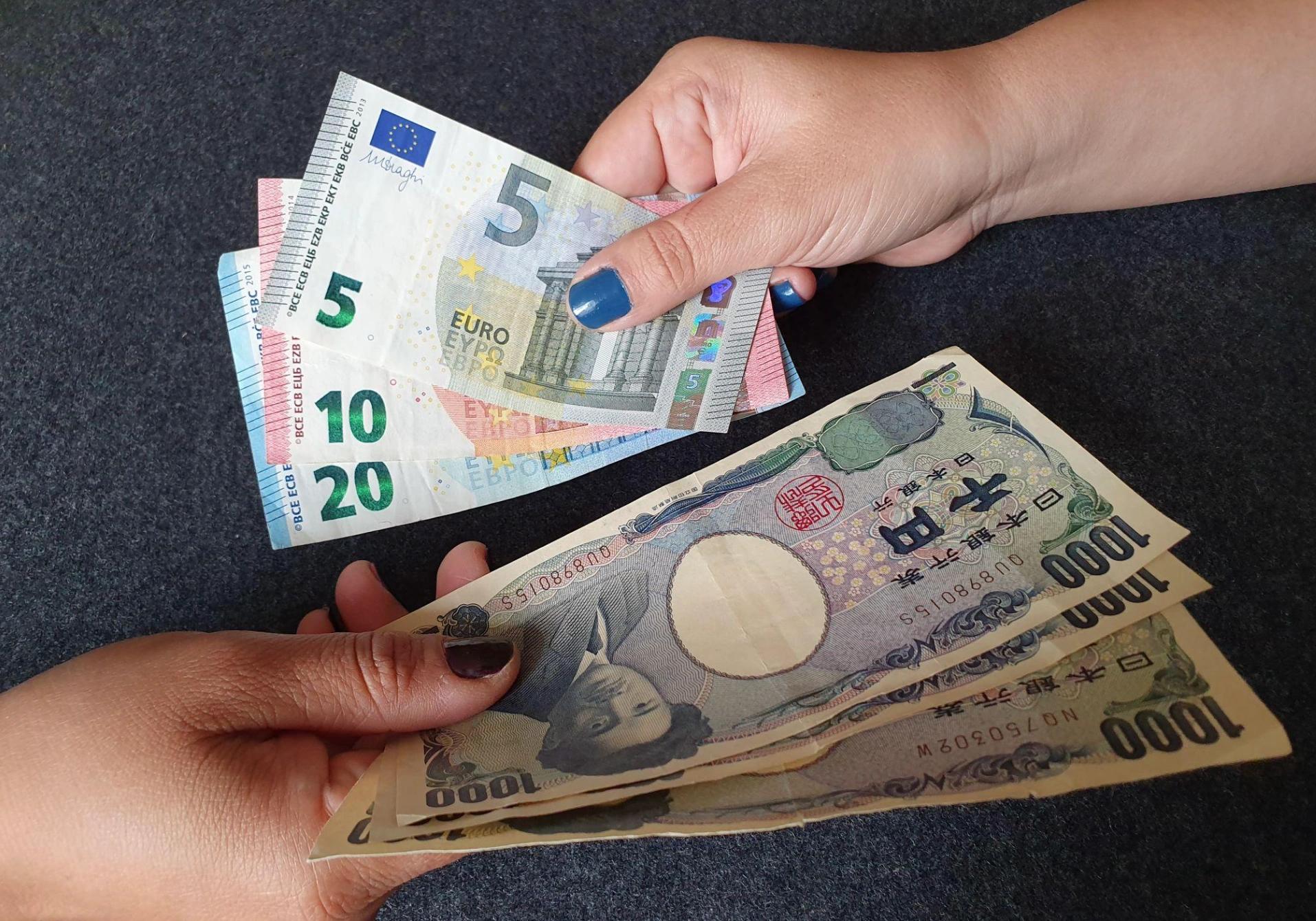
The BoJ dynamic matters for a reason that goes beyond Japanese monetary policy. The yen carry trade — still one of the most widely deployed strategies in global macro — depends on the spread between Japanese rates and the rates of funding destinations, primarily U.S. Treasuries. The 10-year U.S. yield at 4.928% against a BoJ policy rate of 1.25% still makes the carry attractive, but every 25 basis point BoJ hike compresses that spread and raises the probability of a disorderly unwind. When the BoJ surprised markets with a hike earlier this cycle, global volatility spiked within 48 hours. A telegraphed December move is different — but only if markets believe the signal, which requires watching the yen closely in the weeks ahead.
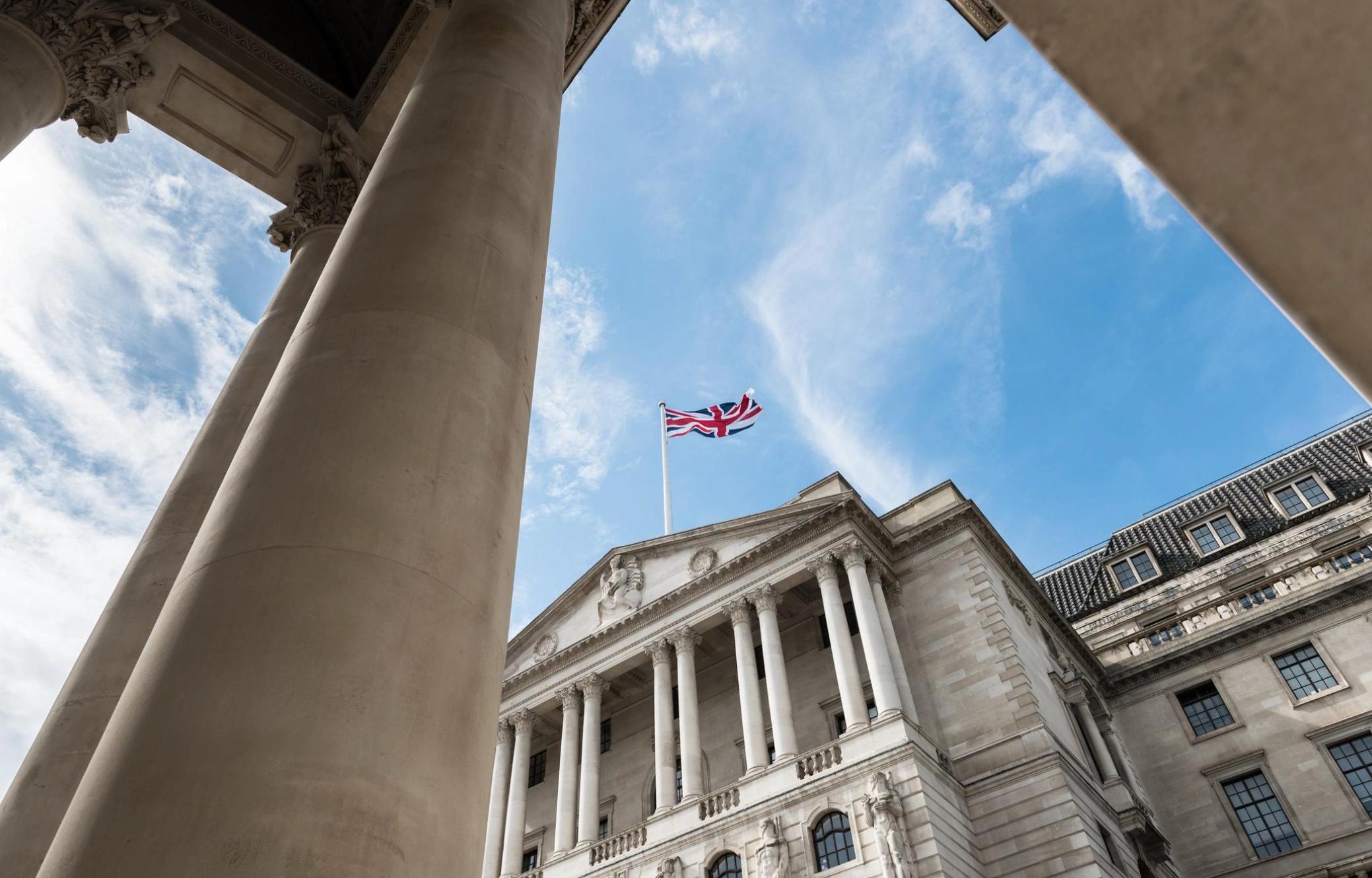
The Bank of England is the most straightforward case. Governor Bailey has already stated publicly that persistent energy price volatility increases the probability of a rate hike needed to return inflation to the 2% target, and the September MPC vote was 6-3 in favor of holding — a slim majority. Tomorrow's expected hike to 4.00% would be the BoE's first of 2026, arriving later than many forecasters anticipated at the start of the year. The Monetary Policy Report accompanying the decision will be watched for the BoE's updated inflation and growth projections; if the inflation forecast is revised higher through 2027, it will cement expectations for further tightening into early next year and weigh on gilts.
What Traders Watch Next
The convergence of four major central banks in December creates a macro environment that is unusual in its concentration of risk. The FOMC meets December 8-9, the ECB typically meets in mid-December, and the BoJ meets December 18. If all three hike — which is what the current market pricing implies — global short-term rates will have moved higher simultaneously for the first time since the aggressive synchronized tightening of 2022. That episode ended with significant cross-asset volatility, a surge in dollar strength, and a repricing of risk premiums across equities, credit, and emerging market assets.
The difference this time is that the tightening is coming from a higher base and in an environment where long-term yields are already elevated — the U.S. 30-year at 5.311% and the 10-year approaching 5.00% reflect a bond market that has done much of the Fed's work already. The question is whether that pre-tightening in the long end gives the Fed and its peers political cover to hike without triggering a credit event, or whether the combination of higher policy rates and already-elevated term premiums tips a leveraged corner of the financial system that is not yet visible in headline data.
Traders should mark three dates on the calendar: tomorrow's BoE decision at 12:00 UTC for the first real-world test of the December thesis, the FOMC blackout beginning November 28 as the last window for Fed communication before the December 8-9 meeting, and the BoJ's December 18 decision as the tail-risk event for yen carry positions. Any deviation from the expected script — a BoE hold tomorrow, a dovish Lagarde press conference in December, or a split BoJ vote that falls short of a hike — would represent a significant repricing opportunity. The base case is four banks moving in unison. The trade is in the tails.
The Weekly Investor
Daily market analysis for active traders. Free.