Global Central Banks Stay Hawkish Into Year-End
ECB, BOE, and BOJ all hold rates but signal more tightening ahead. Here's what global central bank policy means for yields and FX trades now.
Key Points
- The ECB, Bank of England, and Bank of Japan all held rates at their most recent meetings but are each signaling further hikes — a synchronized global tightening posture not seen at this stage of a cycle in decades.
- Bundesbank President Nagel called another ECB hike "highly probable" for December 17, citing energy-driven adverse scenario risks and rising second-round effects; BOJ board member Takata is pushing for a 1.5% policy rate target.
- The convergence of global central banks toward further tightening into year-end is compressing risk appetite and supporting the dollar, with the DXY benefiting from the Fed's 95% December hike pricing.
No major central bank issues a decision today, but the cumulative weight of hawkish signals from Frankfurt, London, and Tokyo is reshaping the global rates trade in real time. The ECB holds at 2.50% with its next meeting on December 17; the Bank of England sits at 3.75% with internal dissent already running at three members voting for 4.00%; and the Bank of Japan, parked at approximately 1.25% after its October 30 hold, has a board member openly campaigning for 1.50%. Three of the world's four major central banks are signaling more tightening into year-end, and the fourth — the Fed — is at 95% odds for a December hike. This is not a coincidence. It is a synchronized inflation problem without a synchronized off-ramp.
The ECB's Closing Window
Bundesbank President Joachim Nagel did not mince language when he said another rate hike for December 17 is "highly probable." His reasoning is specific: energy prices have pushed the ECB's economic outlook toward its adverse scenario — a formal internal threshold, not casual commentary — and second-round effects, where wage growth embeds elevated price expectations into labor contracts, are rising. The ECB hiked twice in 2026 before holding on October 29. President Christine Lagarde at that meeting signaled the direction of travel is clear, a phrase she has used consistently to telegraph policy intent without committing to a specific increment.
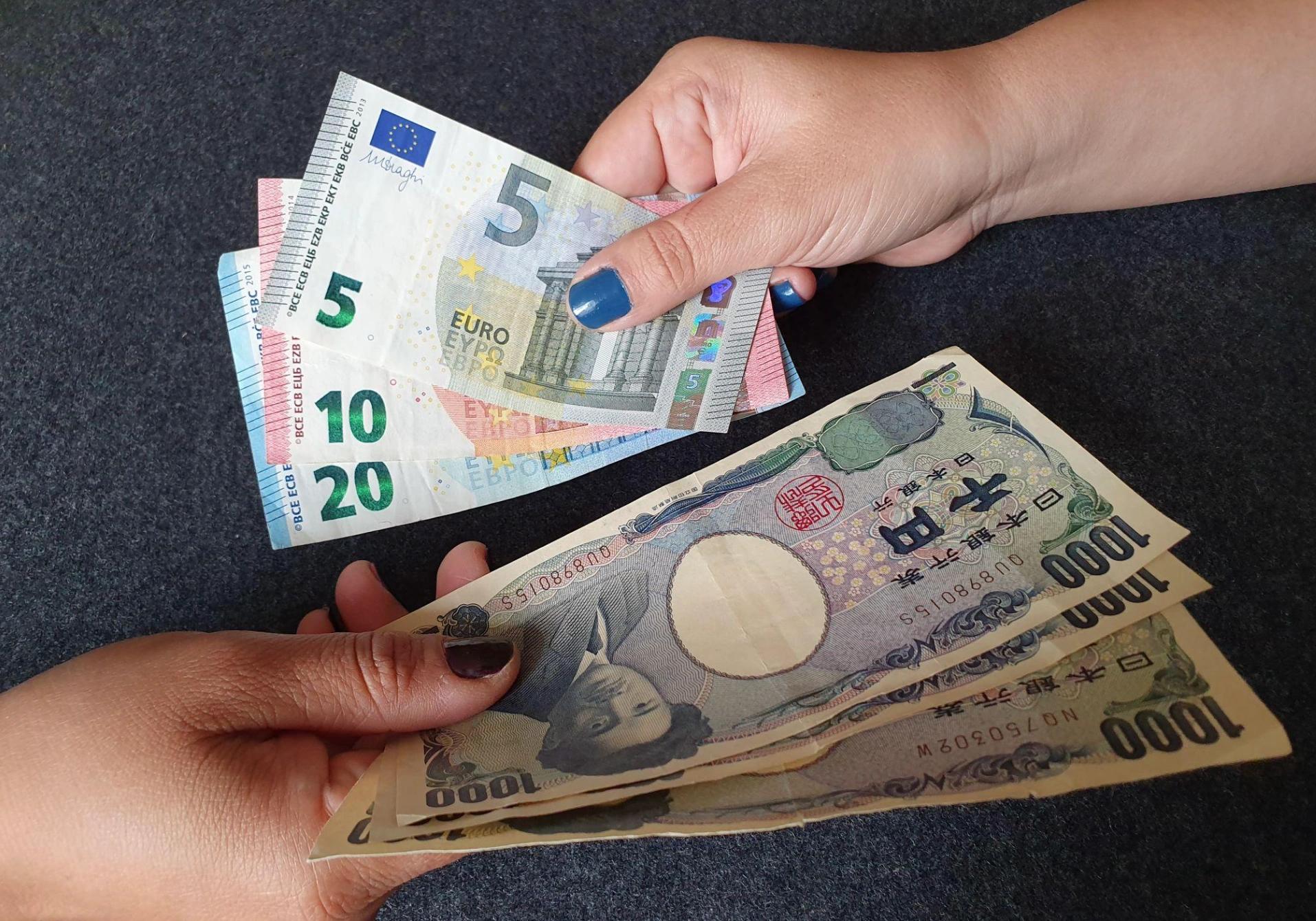
At 2.50%, the ECB's policy rate remains the lowest among major developed market central banks, and that gap matters for currency and fixed income traders. The euro has been pressured throughout 2026 as the Fed's rate advantage widened, but a December ECB hike — especially if accompanied by hawkish forward guidance on the pace through early 2027 — could provide euro support heading into the new year. The European fixed income market, particularly German Bunds, has been absorbing higher rates with less volatility than U.S. Treasuries, partly because ECB tightening has been more gradual and partly because European duration buyers have been slower to capitulate. If Nagel's December hike materializes alongside the Fed's widely expected move, the spread compression between Bunds and Treasuries becomes a key pairs trade for institutional accounts running cross-border fixed income books.
The adverse scenario language from the Bundesbank is worth unpacking further. It refers to a formal ECB internal projection path where energy price shocks persist longer than the base case assumes, keeping headline inflation elevated through mid-2027 and forcing the policy rate above what models currently identify as neutral. For traders, that framing means the ECB is not signaling one more hike and done — it is signaling a regime where December is a waypoint, not a terminus. That is a materially different message from the one Lagarde delivered in June, when the hold was widely interpreted as a prolonged pause.
Japan's Regime Change
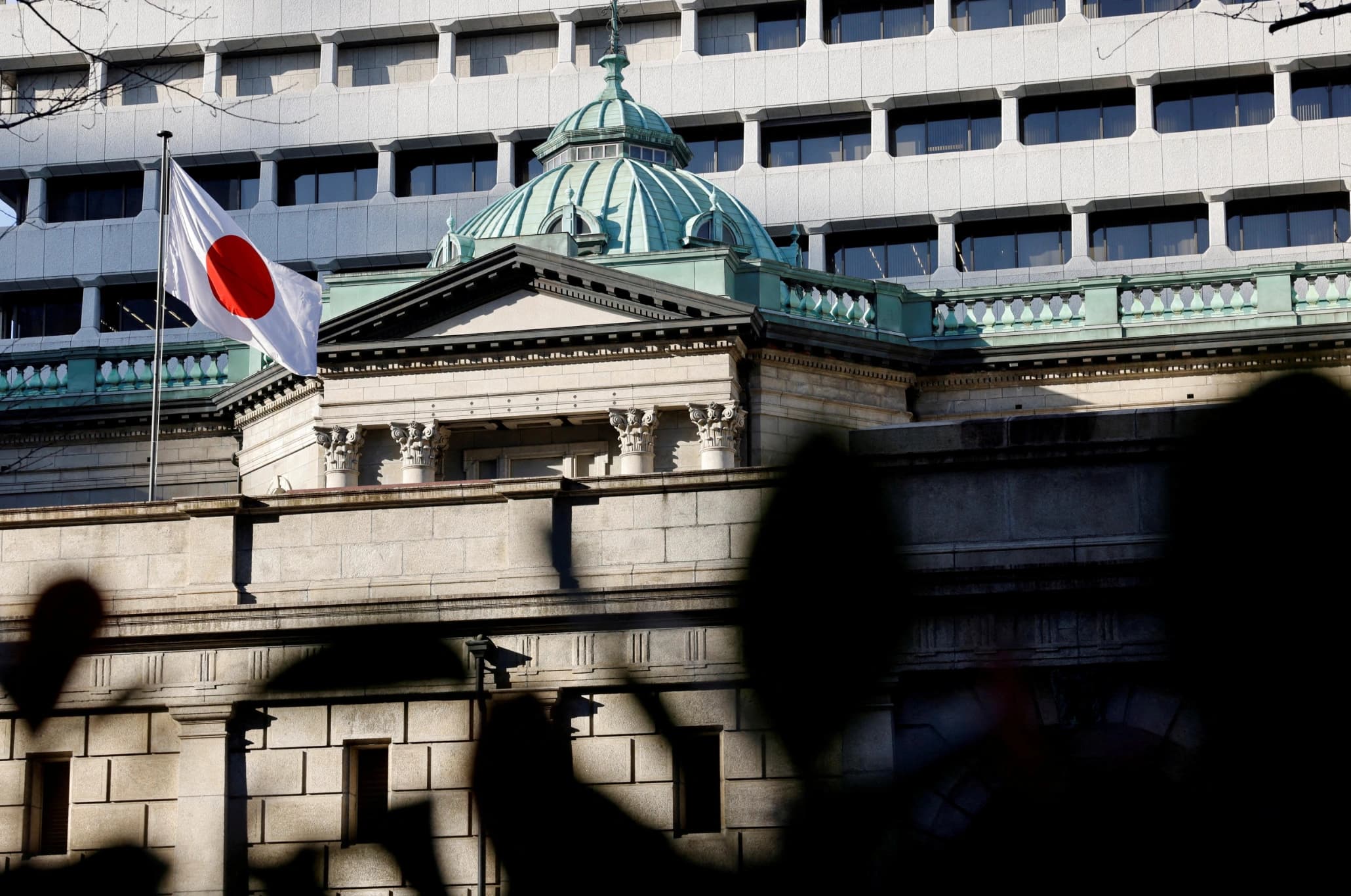
BOJ board member Hajime Takata used the phrase "regime change" to describe 2026 — an unusually blunt characterization for a central bank that spent the better part of three decades avoiding any language that might spook bond markets. His explicit call for a 1.50% policy rate, up from approximately 1.25% today, and his warning that Japan's neutral rate could exceed current estimates, represents a meaningful shift in the internal debate at the BOJ. The October 30 hold passed 8-1, with Takata presumably the dissenter, but the direction of his argument is gaining institutional traction.
Japan's situation is structurally distinct from the Fed and ECB problem. The BOJ is tightening into a backdrop where decades of deflation have made any sustainable inflation — even if partially imported through a weaker yen — a policy objective rather than a threat. The yen has weakened significantly through 2026 as the BOJ-Fed rate differential remained wide, and each BOJ hike incrementally narrows that gap, reducing the carry trade incentive that has pressured JPY. A move to 1.50% at the December 17–18 meeting would be the most aggressive BOJ step of this cycle and would likely trigger a sharp yen rally, hitting dollar-yen carry trades that have been a cornerstone position for leveraged macro funds this year.
Takata's phrase "nimble, data-led hikes not bound by market-expected pacing" is a direct shot at the implicit forward guidance trap that the BOJ has historically set for itself — where the market prices a specific timeline and the BOJ feels compelled to honor it to maintain credibility. By explicitly rejecting that framework, Takata is arguing for an optionality-preserving approach that could move faster or slower than the market anticipates. For traders long yen volatility or short dollar-yen, that is a structurally bullish statement on realized vol in the currency pair through year-end.
What Traders Watch Next
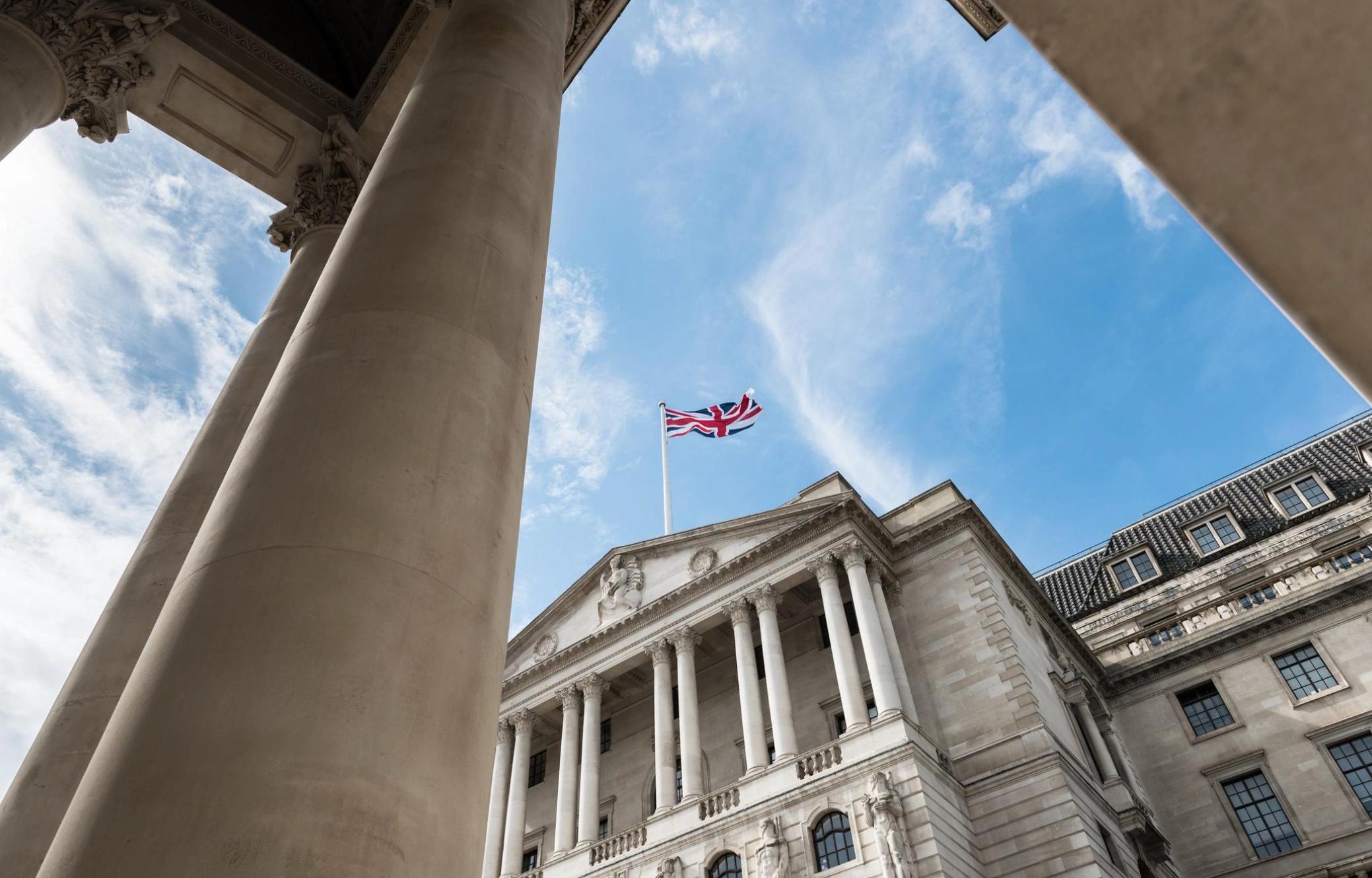
The Bank of England at 3.75% is the most internally contested of the major central banks. The September 17 vote was 6–3, with three members pushing for an immediate move to 4.00% — a rare degree of hawkish dissent that signals the BOE's policy rate is likely to reach 4.00% within one or two meetings. Governor Andrew Bailey has explicitly tied the tightening path to inflation volatility persistence: "the longer this volatility persists, the bigger the impact it will have on inflation, and the more likely it is we will need to raise Bank Rate." The November 5 BOE meeting has passed; the next is in December. With UK energy price dynamics and wage growth still running above the BOE's comfort zone, Bailey's condition appears to be met. The Federal Reserve's hawkish posture gives political cover to global peers who might otherwise face criticism for over-tightening.
For the dollar index, the global context is unambiguously supportive — but selectively so. DXY is a trade-weighted basket where euro, yen, and pound carry enormous weight. If the ECB and BOJ both hike in December while the Fed also moves 25 bp, the dollar's rate advantage narrows at the margin, capping DXY upside even as absolute U.S. rates remain the highest in the developed world. The more interesting trade is in emerging market fixed income, where dollar strength driven by the global tightening synchronized across developed markets has been compressing EM risk appetite since mid-year. Any signal that the global hiking cycle is approaching a collective ceiling — which none of the four major central banks has yet offered — would be the trigger for an EM relief trade that is currently entirely hypothetical.
Today's yield structure — 10-year at 5.118%, 30-year at 5.472%, 2-year at 4.806% — reflects a market that is priced for more tightening but hedged against an overshoot. The convergence date that matters most across all four central banks is the two-week window between December 8–9 (Fed) and December 17–18 (ECB and BOJ). If all three hike in that window — which is the base case — the question immediately becomes what forward guidance each provides for early 2027. The first central bank to signal a genuine pause will set the tone for global duration trades into the new year. Based on current communication from every official named above, that signal is not coming in December.
The Weekly Investor
Daily market analysis for active traders. Free.