Semis Rip 6%: SOXX, SMH Lead Risk-On Sector Rotation
Semiconductor ETFs SOXX and SMH surged over 6% on November 12 as AI-driven tech rotation crushes defensives. XLK gains 4.1% while XLV drops 0.7%.
Key Points
- The iShares Semiconductor ETF (SOXX) surged 6.01% and the VanEck Semiconductor ETF (SMH) gained 6.3% on November 12, as the Philadelphia Semiconductor Index jumped 5.66% in the strongest single-session chip rally in months.
- An AI infrastructure catalyst — with Oracle up 8.68%, Broadcom up 6.50%, and Nvidia up 4.25% — triggered a sharp rotation out of defensives and into mega-cap tech, dragging XLK up 4.1% while XLV fell 0.7%.
- Traders should watch whether SPY and QQQ flow data for November 12 confirms institutional conviction behind the move, after SPY shed $8.3 billion in the prior session alongside SOXX.
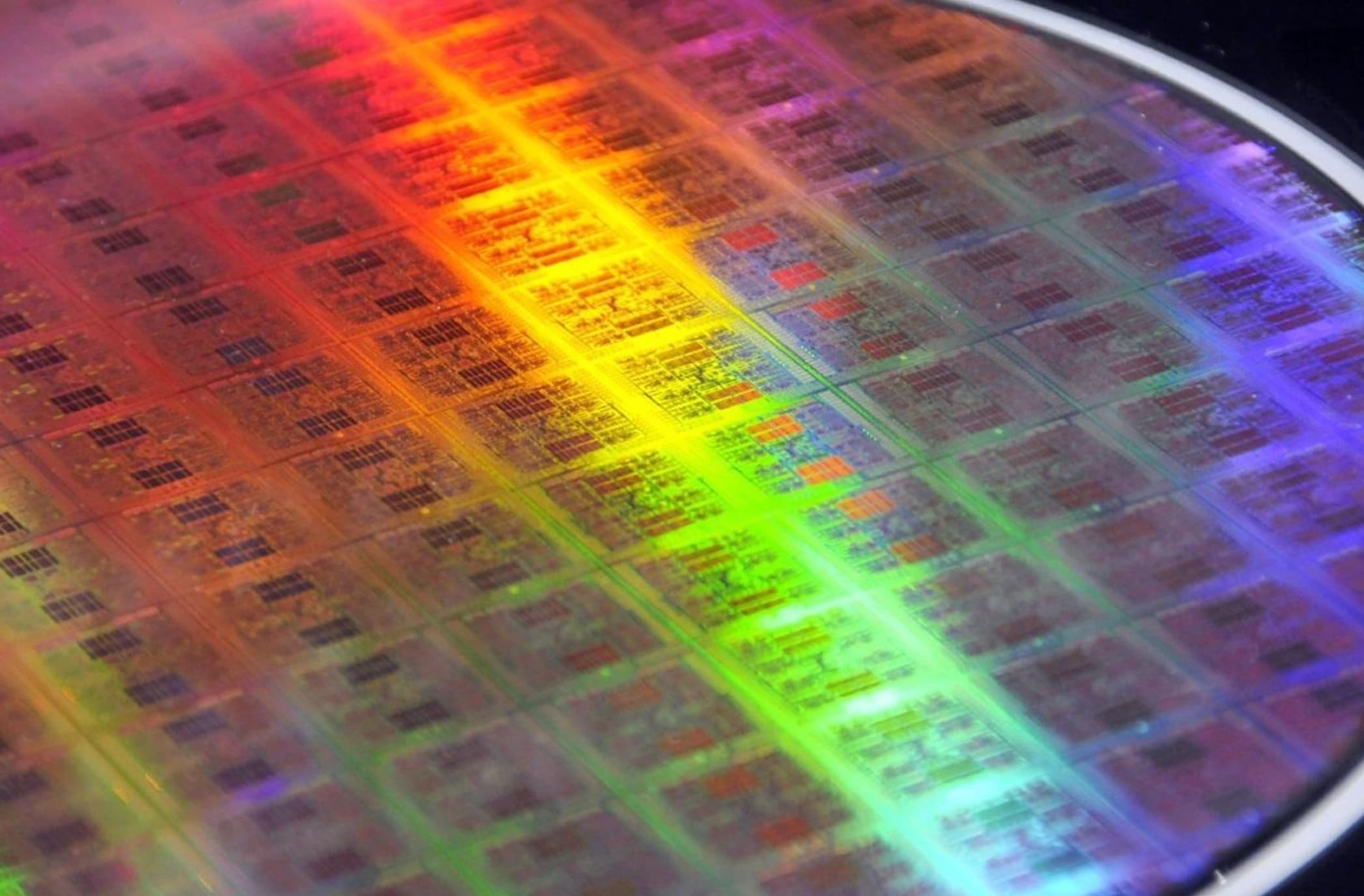
The iShares Semiconductor ETF added 6.01% on November 12, and VanEck's SMH did it one better at 6.3% — the kind of single-session surge that resets short-term momentum signals and forces risk managers to revisit positioning across the entire technology complex. The Philadelphia Semiconductor Index gained 5.66%, with individual names including Micron, Marvell, Arm, Applied Materials, and KLA posting gains between 5% and 12%. The catalyst is an AI infrastructure rebound anchored in enterprise software and chip demand, and the sector rotation it triggered was immediate and decisive.
The Catalyst Behind the Surge
Oracle's 8.68% gain on November 12 was the spark. The company's cloud infrastructure business has emerged as one of the clearest beneficiaries of the AI buildout cycle, and its move higher acted as a permission structure for the rest of the AI supply chain to reprice. Broadcom added 6.50% — a meaningful single-day move for a company with a market capitalization that makes it one of the heaviest weights in both XLK and SMH — while Nvidia gained 4.25%, extending a recovery from the volatility that has defined NVDA's 2026 trading range. Combined, these three names provided the thrust that pushed the Technology Select Sector SPDR Fund up 4.1% for the session, its strongest day in several months.
The breadth within semiconductors was equally notable. This was not a Nvidia-only move, which would have been easier to dismiss as single-stock noise. Micron, Marvell, Intel, AMD, Arm, Applied Materials, Lam Research, and KLA all posted gains in the 5% to 12% range, covering memory, logic, networking, and capital equipment — the full chip ecosystem. When Applied Materials and Lam Research move in concert with fabless designers like AMD and Arm, it signals that the market is pricing a broad recovery in chip demand, not just a re-rating of one segment. That is a qualitatively different signal for SOXX and SMH holders than a narrower rally would have been.
The Philadelphia Semiconductor Index's 5.66% gain is particularly significant as a benchmark. The SOX has been a reliable leading indicator for technology capital expenditure cycles, and a move of this magnitude in a single session tends to either confirm a durable trend change or set up an equally sharp reversal within five to seven trading days. The session's volume will determine which interpretation holds. If SOXX traded above its 30-day average daily volume on the 6% gain, institutional participation is confirmed and the move has legs. If volume was thin, the gap becomes a fade target.
The Rotation's Casualties
The flip side of a 4.1% gain in XLK is a 0.7% loss in the Health Care Select Sector SPDR Fund XLV — and the defensive retreat was broad. Benzinga's sector grid confirms that financials fell 0.22%, real estate dropped 0.31%, utilities slipped 0.12%, and materials were essentially flat at positive 0.01%. Consumer staples, consumer discretionary, and real estate also declined. This is textbook risk-on rotation: capital moving from yield proxies and defensive earners into growth and cyclical exposure in a single coordinated session.
The energy sector's 1.3% gain in XLE and industrials' matching 1.3% advance in XLI are consistent with a broader cyclical bid rather than a pure tech story. Caterpillar added 2.50% within XLI, and GE Aerospace gained 1.08% — two names that benefit from infrastructure spending and manufacturing activity, not AI specifically. That industrial participation matters because it suggests the session's risk appetite was not purely a function of one AI headline; there was a macro undercurrent supporting cyclicals more broadly, possibly tied to higher crude prices supporting the energy trade.
What the rotation does not resolve is the flow picture from November 10, when SPY and SOXX shed a combined $8.3 billion while QQQ added $2.4 billion. That two-day-old data point reveals a split between investors who were selling broad market exposure and those selectively adding to Nasdaq-heavy growth names. The fact that SOXX was among the funds shedding assets on November 10 and then surging 6% on November 12 creates a sharp tension: either the sellers on November 10 were wrong and capitulated into the rally, or the November 12 gains are a short-squeeze-driven overshoot that will give back a portion of the move before stabilizing.
What the Flow Data Will Confirm
The November 12 session flow data for SOXX, SMH, and XLK will not be fully available until tomorrow morning, but it is the single most important data point for validating the trade. If SOXX attracted net inflows on a 6% gain day — after being on the outflow side of an $8.3 billion combined SPY-SOXX redemption just 48 hours earlier — that would confirm institutional buyers are stepping in on price strength rather than waiting for a pullback. That is a bullish signal. If the fund attracted minimal inflows or continued to bleed assets despite the price surge, it would suggest that the gains are being driven by derivatives activity or short-covering rather than genuine accumulation.
The Global X Magnificent Six ETF SIX, launched November 3 on Cboe BZX with Alphabet, Amazon, Apple, Meta, Microsoft, and Nvidia as its six holdings and already at $196 million in AUM, is worth watching as a secondary read on AI-related demand. SIX's inflow trajectory in the two sessions following today's tech surge will indicate whether retail and self-directed investors are chasing the AI rebound through the new concentrated vehicle or staying on the sidelines. At a 0.20% expense ratio, it is priced to compete with QQQ for investors who want mega-cap tech exposure without the broader index dilution.
The critical level for SOXX is the $240 zone, which served as resistance through most of October. A close above that level on strong volume before November 20 would shift the technical picture from oversold bounce to trend resumption and likely trigger additional systematic buying from quant funds tracking momentum signals. A failure to hold above the November 12 close, by contrast, sets up the kind of bull trap that tends to flush latecomers before the real recovery begins.
The Weekly Investor
Daily market analysis for active traders. Free.