PCE Hits 3.8%, GDP Revised to 4.3% — Fed December Hike Locked In
Core PCE accelerated to 3.3% as Q3 GDP surged to 4.3%. Fed funds futures price a 97.8% chance of a December 9 hike to 4.00–4.25%.
Key Points
- Core PCE accelerated to 3.3% year-over-year in October — above the 3.2% consensus — while Q3 GDP was revised sharply higher to 4.3% annualized, the strongest growth print in over a year.
- The simultaneous re-acceleration of inflation and above-trend growth leaves the Fed politically and analytically unable to pause, driving fed funds futures to a 97.8% probability of a 25bp hike on December 9.
- Traders should watch the November CPI print on December 10 — one day after the FOMC decision — which could cement or challenge the January follow-on hike currently priced at 63%.
Core PCE hit 3.3% year-over-year in October, up from 3.1% in September and above the 3.2% consensus — and that was before markets absorbed the GDP revision. Q3 growth was simultaneously marked up to 4.3% annualized, from the already-strong 3.4% advance estimate. Together, those two numbers dropped Wednesday morning and effectively closed the Fed's exit. December 9 is no longer a live debate; it's a countdown.
The Data the Fed Cannot Ignore
The October PCE report from the Bureau of Economic Analysis landed as a clean beat across the board. Headline PCE rose to 3.8% year-over-year, up from a revised 3.7% in September. The core reading — the Fed's preferred inflation gauge, stripping out food and energy — came in at 3.3%, accelerating from 3.1% the prior month. On a monthly basis, both headline and core printed at 0.3%, with core running just above estimates on an unrounded basis. The figure that will get the most attention inside the Eccles Building, however, is the three-month annualized core PCE rate: 3.6%. That's not a rounding error. That's a trend.
What made Wednesday's release particularly uncomfortable for anyone hoping for a Fed pause is that the inflation data didn't arrive in a vacuum. The GDP revision landed at the same moment. Q3 growth came in at 4.3% annualized — 90 basis points above the 3.4% advance estimate — with personal consumption revised up to 4.2% from 3.9%. The revision was driven by stronger investment and consumer outlays. Second-quarter growth had come in at 2.2%. The economy did not just hold up in the third quarter; it accelerated. That is not the backdrop under which central banks stop hiking.
October Personal Income added another layer of complexity, rising 0.7% month-over-month against a 0.4% expectation — the strongest income print in months. Personal Spending came in at 0.3%, a touch below the 0.4% estimate, but the income overshoot suggests the consumer is not running on fumes. Payrolls confirmed the same story: October nonfarm payrolls rose 165,000, nearly three times the Wall Street estimate of 59,000, with upward revisions to August (+53,000 to 186,000) and September (+31,000 to 60,000). Weekly initial jobless claims printed at 189,000 — historically tight by any measure. The labor market is not cracking.
The Fed's Narrow Box
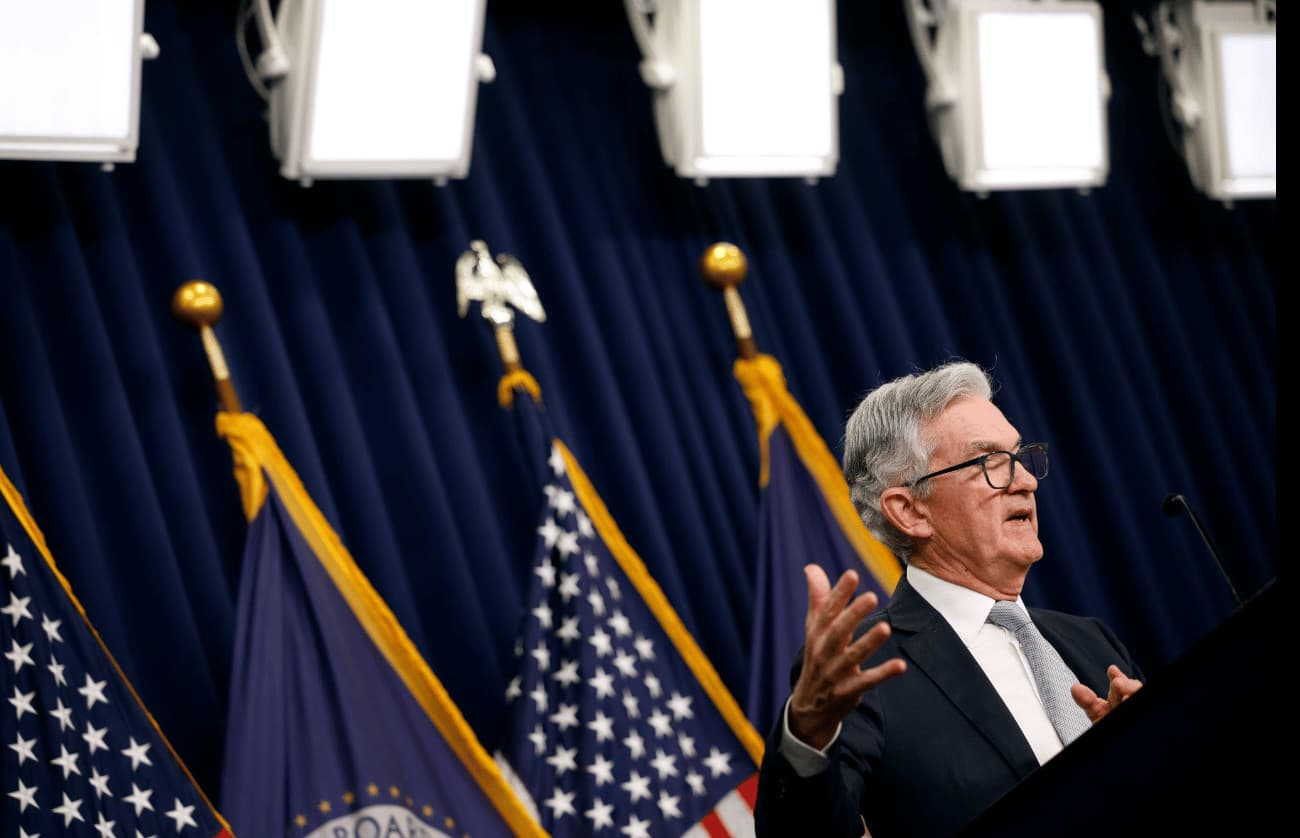
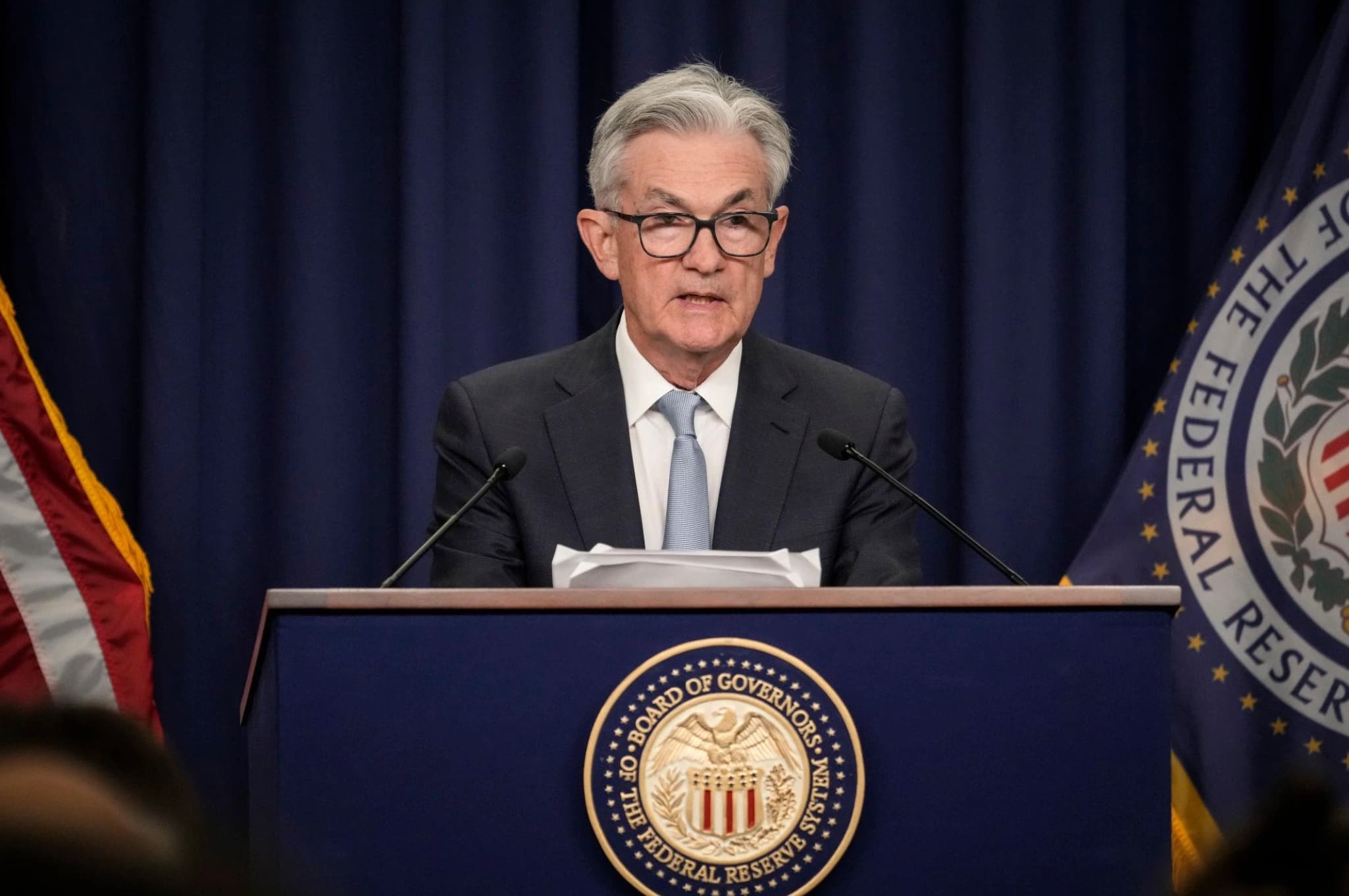
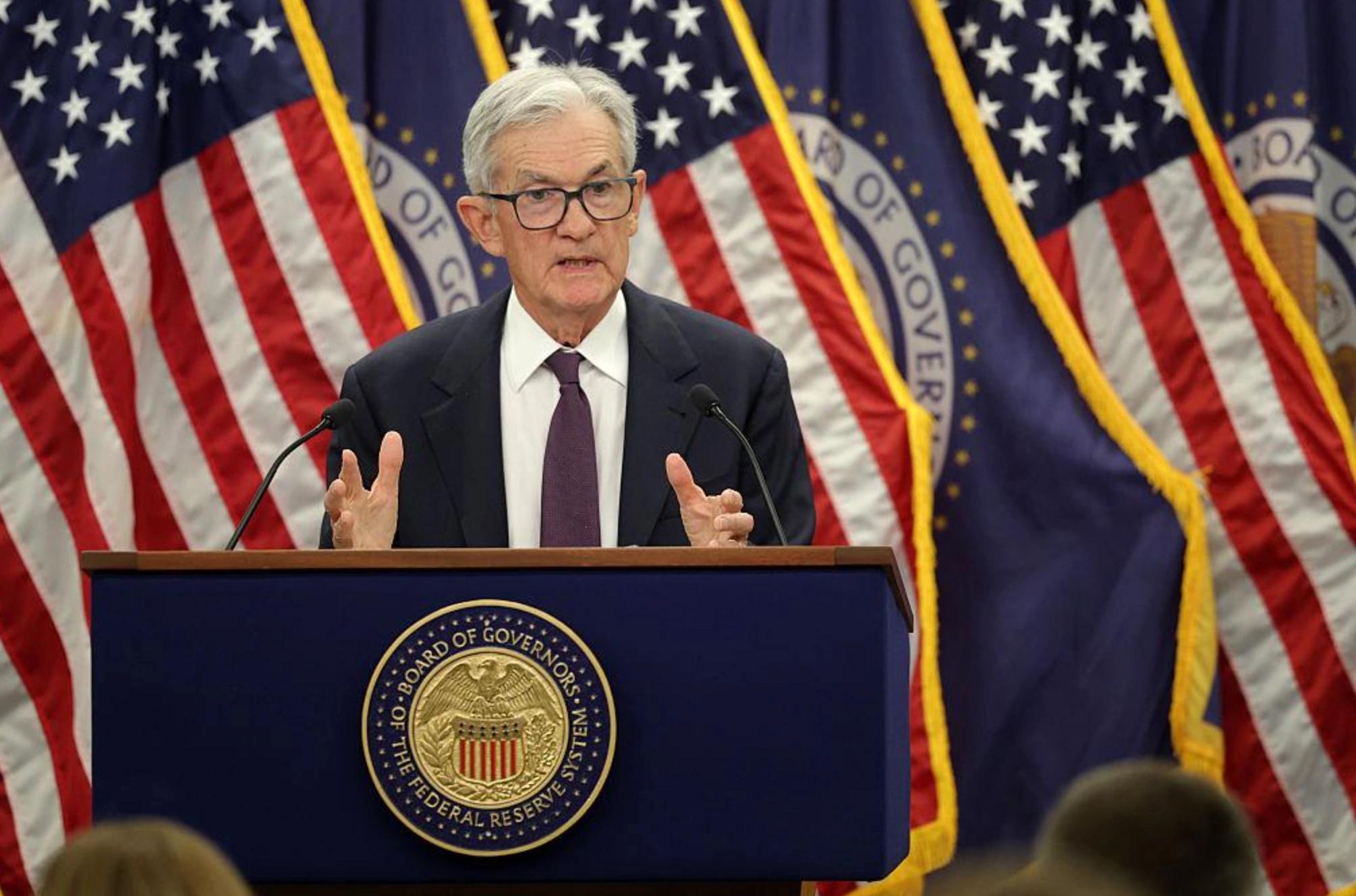
Fed Chair Kevin Warsh has spent recent weeks describing inflation as "stubbornly above target" while deliberately withholding forward guidance — a posture that reads to markets as hawkish caution rather than dovish flexibility. Fed Governor Lisa Cook has been more explicit, stating publicly that the current 3.75%–4.00% policy rate is not high enough. The October meeting held rates unchanged following a 25bp hike in September, and Wednesday's data makes the case for another move in December essentially bulletproof. Fed funds futures moved to 97.8% odds of a 25bp hike to 4.00–4.25% on December 9, with a 63% probability of a further increase in January.
The November Beige Book, released earlier this month, showed eight of twelve Federal Reserve districts reporting growth, with contacts across the country describing sustained cost pressures in energy, transportation, healthcare, insurance, and tariff-related inputs. Those contacts expected both costs and selling prices to continue rising into the new year. That is a demand-side story and a supply-side story colliding simultaneously, and the Fed is walking into it with a policy rate that remains more than 100 basis points below core PCE on a trailing twelve-month basis — deeply negative in real terms by the Fed's own preferred measure.
The S&P Global Flash U.S. Composite PMI did ease to 54.6 in November from 55.9 in October — the slowest pace of private-sector expansion in four months — but it remained firmly in expansion territory. Manufacturing came in at 54.5 and services at 54.7. A PMI above 54 is not the data point that buys the Fed a pause. Neither is new home sales printing at a 701,000 annual rate against a 650,000 expectation, or housing starts jumping 9.9% to 1.309 million. The housing market, which the Fed explicitly targeted with its rate cycle, is not cooperating.
What Traders Watch Next
The asymmetry of risk heading into December is stark. The FOMC meets December 8–9, with the rate decision dropping December 9. One day later — December 10 — November CPI hits the tape. That sequencing matters enormously. If the December 9 hike goes through as priced and November CPI also beats, the January follow-on probability will almost certainly move above 63%, potentially pushing toward 80%. That repricing would hit duration hard. The 10-year Treasury yield has already been reflecting the re-acceleration in inflation data, and long-bond ETFs like TLT remain in a structurally vulnerable position as long as the three-month annualized core PCE stays above 3.5%.
Traders should also watch the softer undercurrents that have not yet moved markets but could become the story by Q1 2027. The ratio of involuntarily part-time to all part-time workers rose from 16.5% to 17.6% in October — a subtle signal of labor market strain beneath the headline payrolls beat. Job openings fell an estimated 73,000 to 7.45 million, and industrial production edged down 0.1%. These are not crisis-level readings, but they represent the kind of deterioration that tends to arrive quietly before it arrives loudly.
The specific level to watch on the 10-year yield is 4.65%. A confirmed break and hold above that level following the December 9 hike would signal that markets are beginning to price a terminal rate meaningfully above 4.25% — a scenario that reshapes equity valuations, credit spreads, and mortgage rates simultaneously. December 10's CPI print is the trigger. If core CPI comes in at 0.4% month-over-month or higher, that conversation begins immediately.
The Weekly Investor
Daily market analysis for active traders. Free.