October CPI Hot Print Reloads Fed Hike Risk
October CPI rose 0.4% M/M, crushing the 0.3% forecast. Core PCE now tracking 3.3%. Here's what it means for the December Fed decision.
Key Points
- Headline CPI rose 0.4% M/M in October — 0.350% to three decimal places — beating the 0.3% consensus and marking the third consecutive 0.3%+ core print.
- Pantheon Macroeconomics now estimates core PCE will accelerate to 3.3% annually, up from 3.1% in September, putting the Fed's inflation fight in reverse.
- Tomorrow's retail sales report at 8:30 AM ET is the next live catalyst — a print of +0.5% or stronger likely locks in a 25 bps hike at the December 9 FOMC meeting.
The number that is repricing markets this morning is 0.350% — that's October headline CPI to three decimal places, reported last week, still reverberating. It beat the 0.3% Wall Street consensus by enough to matter and arrived on top of a core reading that has now printed 0.3% M/M for three consecutive months. The 10-year Treasury yield is currently trading at 5.14%, up 29 basis points over five sessions. The Fed's hold at 3.75%–4.00% is looking increasingly untenable.
The Data Is No Longer Ambiguous
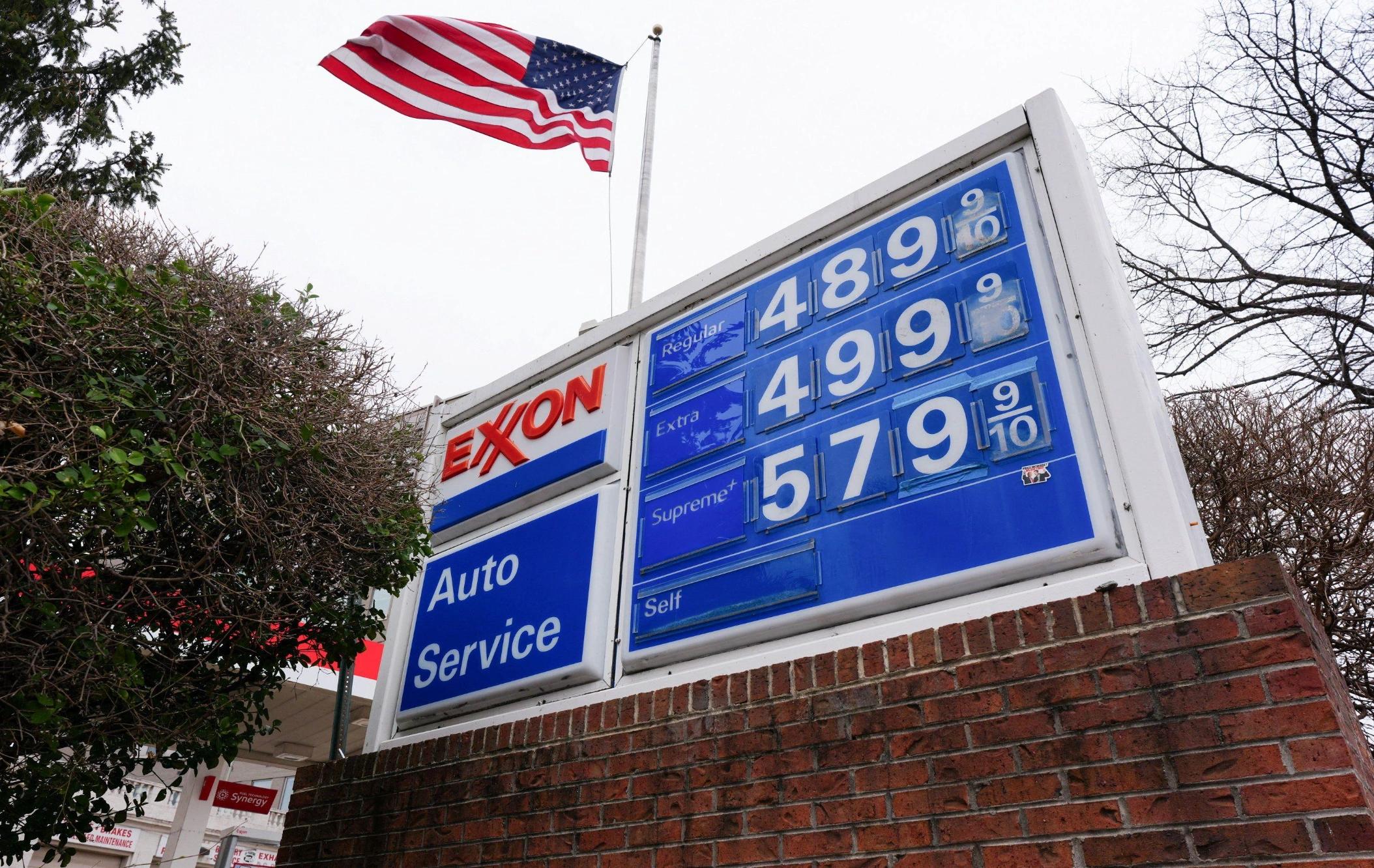
Strip out the rounding and October's inflation picture is unambiguous. Headline CPI at 0.350% M/M was driven by a rebound in energy prices and a 0.5% monthly gain in food costs — two categories that do not disappear from household budgets and two categories that feed directly into inflation expectations. Core CPI, ex-food and energy, rose 0.3% M/M, above the 0.2% consensus, continuing a streak that began in August. Three consecutive months of 0.3% core CPI is not noise. It is a trend.
The upstream read confirms the pressure is structural, not transitory. October PPI for final demand rose 0.3% M/M and 6.5% year-over-year — a headline figure that would have caused emergency Fed meetings eighteen months ago. More critically, core PPI excluding food, energy, and trade services advanced 0.5% M/M, pushing its 12-month rate to 4.9%. Producer prices at that level do not stay in the pipeline forever. They show up in consumer prices within two to four quarters, and the October CPI data suggests the transmission is already underway.
Pantheon Macroeconomics put a precise figure on the downstream damage: based on the October CPI components that feed into the PCE deflator, they now estimate monthly core PCE will come in between 0.35% and 0.40% — and that the annual core PCE rate will accelerate to 3.3% from 3.1% in September. For context, the Fed's target is 2.0%. Core PCE at 3.3% means the central bank is running 130 basis points above its mandate, in an economy that grew at 3.4% annualized in Q3 2026 with real final sales to private domestic purchasers running even hotter at 4.9%.
The Fed's Credibility Is on the Table
The October 28 FOMC statement held rates steady at 3.75%–4.00% by a 10–2 vote, with Governors Cook and Hammack dissenting in favor of an immediate 25 bps increase. The majority opted for patience — waiting to accumulate more information before committing to the next move. That was a defensible call on October 28. It is harder to defend on November 16, with the October CPI print in hand, PPI running nearly 7%, and the 10-year yield within striking distance of 5.25%.
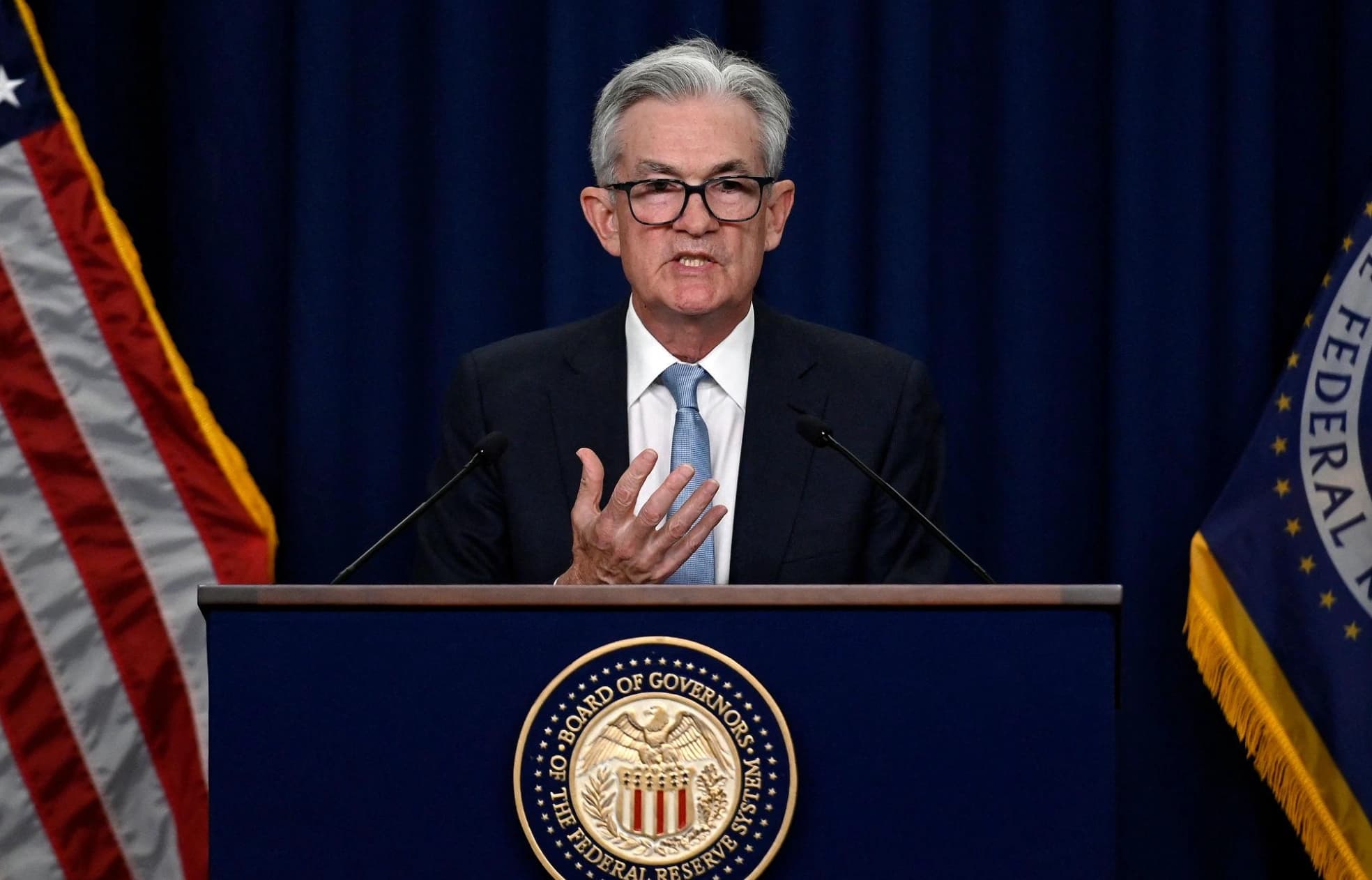
Fed Chair Kevin Warsh speaks today at noon ET at the Federal Reserve Bank of San Francisco, delivering opening remarks at the Fed's Productivity and Jobs Task Force Conference. The venue is designed to frame the inflation conversation around supply-side dynamics — productivity growth, labor supply, and capital investment — rather than pure demand destruction. That framing matters. If Warsh uses the platform to signal that the Fed sees productivity gains as a potential disinflationary offset, markets will read it as cover for staying on hold through December. If he acknowledges the stickiness of core inflation without offering a productivity escape hatch, December hike odds move sharply higher.
The Wednesday FOMC minutes at 2:00 PM ET will add color but not resolution. The minutes cover the October 28 meeting, which predates the October CPI report. Traders will read them for the internal tone — how many members were genuinely undecided versus reluctantly voting hold — but the minutes cannot answer the December question. That answer depends on the data released this week.
What Traders Watch Between Now and December 9
The immediate fulcrum is tomorrow morning's retail sales report, due 8:30 AM ET on Tuesday, November 17. Consensus is flat at 0.0% for headline, with core retail sales ex-autos expected to rise 0.4%. Those numbers look vulnerable to an upside miss. September retail and food services sales rose 0.8%, August was up 1.3%, and the CNBC/NRF Retail Monitor showed October total retail spending rose 0.2% M/M to $561.7 billion — the slowest pace since November 2025 — with core retail up 0.3% M/M to $454.2 billion. That Retail Monitor print is not official Census Bureau data, but it is directionally inconsistent with a flat headline reading. A consensus beat of 0.5% or stronger in tomorrow's official print would force a repricing of December meeting odds in real time.
The Fed speaker calendar adds further signal risk. Governor Michael Barr speaks Tuesday at 1:35 PM, New York Fed President John Williams at 2:30 PM Tuesday, Chicago Fed's Austan Goolsbee at 12:30 PM Wednesday, Richmond Fed's Thomas Barkin at 2:00 PM, and Philadelphia Fed's Anna Paulson at 6:30 PM Wednesday. That is five Fed voices in 48 hours, all speaking with October CPI on the table but without the retail sales data. Watch Williams most closely — the NY Fed president's comments on the inflation outlook carry disproportionate weight in the market's read of FOMC direction.
The specific level that determines whether this week closes hawkish or merely unsettled is 5.25% on the 10-year yield. The current print of 5.14% represents a 29-basis-point move in five sessions — a rate of travel that, sustained, would reach 5.25% by Thursday without any additional data catalyst. A hot retail sales print tomorrow morning accelerates that timeline to Tuesday afternoon. At 5.25%, credit spreads widen, equity multiples compress across the board, and the housing market — already operating with a 30-year mortgage rate of 7.11% and NAHB homebuilder sentiment at 29 — enters a new level of stress. The December 9 FOMC meeting is 23 days away. Between now and then, the data does not need to get worse to make the case for a hike. It just needs to stay where it is.
The Weekly Investor
Daily market analysis for active traders. Free.