Nasdaq Futures Surge 3.6% as Semis Lead Relief Rally
Nasdaq 100 futures jump 3.6% Monday after the worst week since COVID. NVDA leads semis higher, but VIX at 30 says this isn't over.
Key Points
- Nasdaq 100 futures are up 3.6% to roughly 25,870 Monday morning after the index lost 10% last week — its worst stretch since the COVID crash.
- The bounce is driven by a sharp reversal in semiconductor names, with NVDA up 8.72% in premarket, following an AI-complex unwind that wiped $3 trillion in market cap over seven sessions.
- Bulls need the S&P 500 cash index to hold and close above 7,000 today — failure to do so turns this into a textbook dead-cat bounce ahead of Wednesday's PCE print.
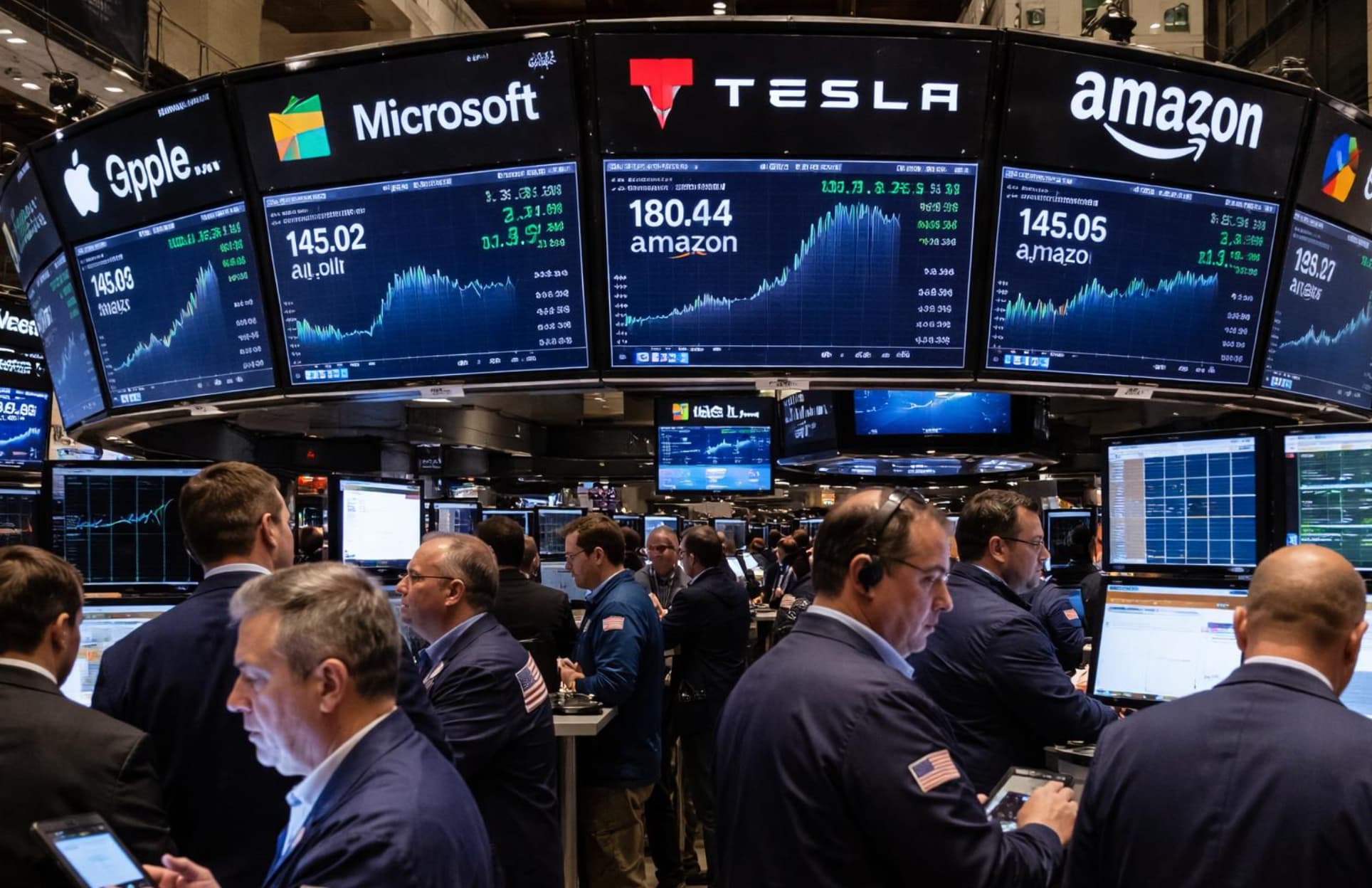
The best premarket number this Monday morning is +3.6% on Nasdaq 100 futures — but that figure needs immediate context: it is recovering from a 10% weekly collapse, the worst since the COVID selloff of 2020, and it is arriving with the VIX still parked at 30. Relief rallies off historic routs are common. Durable recoveries are rare. The tape is telling two different stories at once, and traders need to decide which one to believe before the cash open.
The Wreckage This Bounce Is Coming From
Friday's close was brutal by any measure. The Nasdaq Composite shed 5.28% in a single session, dropping to 22,617.73, capping a week in which the index surrendered 10% of its value. The S&P 500 finished at 6,910.39, down 3.70% on Friday alone, while the Dow fell 1.93% to 48,147.33. For the full week, both the S&P 500 and the Dow declined more than 8% — the Dow's worst weekly performance since the pandemic-era meltdown six years ago.
The proximate cause was an accelerating unwind of the AI-infrastructure trade. The market had spent the better part of two years pricing in a demand boom for data center compute that would sustain earnings multiples well above historical norms. What it had not fully priced in was the combination of factors that converged last week: rising real rates, export restriction escalation targeting advanced semiconductor supply chains, mounting questions about the return on data center capital expenditure, and leadership instability at several major AI-adjacent firms. When the first dominoes fell, leverage in the system did the rest. Yahoo Finance's live market blog confirmed seven consecutive sessions of losses for both the S&P 500 and the Dow heading into this Monday open.
SPY closed Friday at $689.81, down 3.64% on the day. QQQ closed at $608.45, down a punishing 5.67%. By 5:40 a.m. EST Monday, SPY was trading around $705 and QQQ had clawed back to approximately $627 — real dollar moves, but still well below the levels where technical damage was first inflicted.
The Semis Are Doing the Heavy Lifting
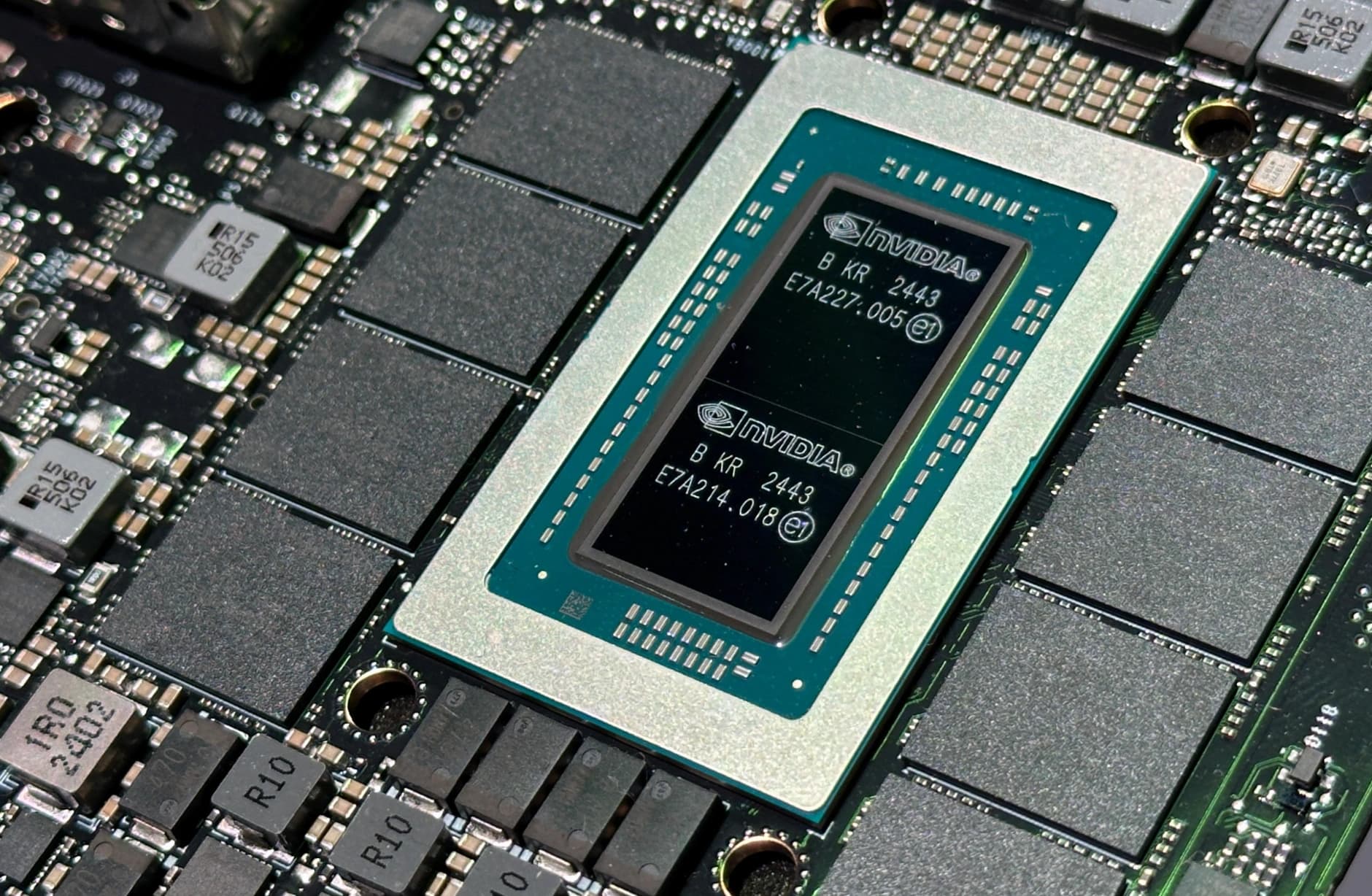
The anatomy of this morning's bounce is straightforward: semiconductors are carrying it, and NVIDIA is carrying the semiconductors. NVDA is up 8.72% in premarket trading, the single largest contribution to Nasdaq futures gains. Micron Technology, Arm Holdings, and TSMC are each up more than 7%. Intel, the laggard of the group for most of the past year, is adding approximately 6%. In aggregate, these five names represent enough index weight that their collective move accounts for the lion's share of the Nasdaq 100's 3.6% premarket gain.
The question serious traders are asking is whether this is a fundamental re-rating or mechanical positioning relief. The bear case says it is the latter: short sellers who rode last week's move aggressively are covering into a holiday-shortened week with thin liquidity, and options dealers who sold puts into the panic are delta-hedging their books by buying underlying. Neither of those flows represents new long conviction. The bull case says that at some valuation level, the AI infrastructure cycle is real, and NVDA trading at the implied levels of two weeks ago — roughly 25–30% off its highs — finally reflects a margin of safety that fundamental buyers will defend.
The Russell 2000 futures are up 2.36% to 2,648.40, which provides a secondary read: small-caps are participating, suggesting this isn't purely a mega-cap short-squeeze. Broad participation doesn't guarantee follow-through, but its absence would have been a significant red flag.
What Traders Must Watch at the Open and Beyond
The number that matters most when cash markets open is S&P 500 7,000. That level is not arbitrary — it was the site of the first major technical breakdown during last week's selloff and represents a psychologically and structurally significant threshold. A cash open and sustained hold above 7,000 would suggest this morning's futures move has real buying behind it. A failure to hold — a rally that peaks within the first 30 minutes and then fades below that level — is the textbook definition of a dead-cat bounce and would likely accelerate selling into the Thanksgiving holiday.
The VIX is sending a cautious but slightly improved signal. Bloomberg's live VIX feed showed the index at 31.18 as of 3:42 a.m. EST Monday, down 4.71 points or 13.12% from Friday's close of 35.89. That is genuine fear coming off the boil — but 31 is not a calm market. The VIX term structure remains in backwardation, with December futures at 25.60 and spot still trading above them, which signals that professional options traders are still pricing near-term risk above medium-term risk. That is not a structure consistent with a regime shift back to orderly trending. The 30-day 25-delta risk reversal moved from -8.8 to -11.4 during Friday's session alone — elevated skew that reflects persistent demand for downside protection.
The macro calendar adds a critical variable mid-week. Wednesday's PCE inflation report — the Federal Reserve's preferred inflation gauge — lands at a moment when the market is acutely sensitive to any signal about the rate path. Year-ahead inflation expectations from the University of Michigan's November survey came in at 3.7%, and long-term expectations at 3.3%. If PCE prints hot, the relief rally will face a direct challenge from the rates market, where the 10-year Treasury yield, while down 14 basis points to 4.912% this morning, remains at a level that compresses equity valuations in any discounted cash flow framework. The real repair zone for the S&P 500 — the range where technical damage from last week would begin to look healed — sits between 7,300 and 7,400. Getting there requires not just today's bounce holding, but the PCE print on Wednesday cooperating. Wednesday's 8:30 a.m. ET release is now the single most important scheduled event of the week.
---
The Weekly Investor
Daily market analysis for active traders. Free.