EQT's $50B Range Resources Deal Reshapes U.S. Gas
EQT Corp acquires Range Resources in a $50B-plus deal. RRC surges 15%, EQT drops 4%. What the mega-merger means for nat gas supply and energy stocks.
Key Points
- EQT Corp announced an acquisition of Range Resources valuing the company at more than $50 billion, sending RRC shares up 15% and EQT down 4% in Monday's session.
- The deal creates a dominant Appalachian natural gas producer at a moment when U.S. LNG export capacity is expanding rapidly, raising strategic stakes for the combined entity's pricing power.
- Traders should watch EQT's leverage ratio post-close and monitor whether the deal draws regulatory scrutiny given the combined company's Marcellus Shale footprint.
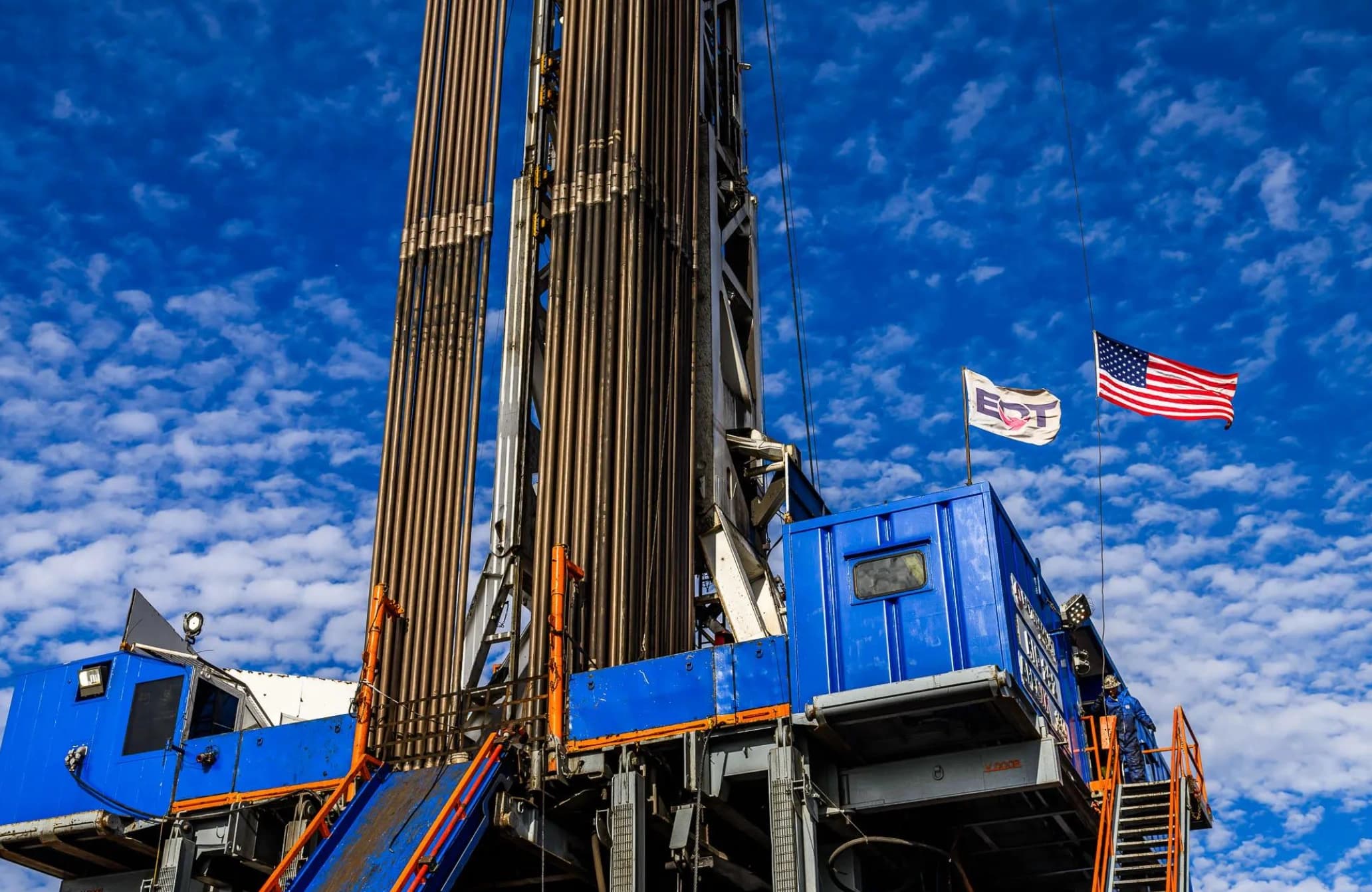
EQT Corp announced it will acquire Range Resources in a deal valuing Range at more than $50 billion, instantly creating the largest pure-play natural gas producer in the United States and triggering a 15% surge in RRC shares while EQT itself shed 4% as markets processed the leverage implications. The transaction is the biggest energy M&A event of 2026 and arrives as U.S. liquefied natural gas export capacity is entering its most aggressive expansion phase in history — timing that is either a stroke of strategic genius or an expensive bet on a commodity cycle that has already moved.
The Strategic Logic at $50 Billion
Range Resources built its franchise in the southwestern Marcellus Shale, the same geological formation where EQT dominates in West Virginia and Pennsylvania. The combination eliminates a major competitor from Appalachian acreage, consolidates pipeline commitments, and gives the combined company a production and reserve base that would dwarf every other independent gas producer in North America. At $50 billion-plus, EQT is paying a significant premium to Range's pre-announcement market capitalization — the 15% gap-up in RRC confirms the market views the deal price as favorable to Range shareholders.
The strategic rationale is rooted in LNG. The United States is currently the world's largest LNG exporter, and multiple new liquefaction trains along the Gulf Coast are scheduled to come online between 2026 and 2029, adding roughly 5 to 6 billion cubic feet per day of incremental demand for Appalachian gas. EQT, already the largest U.S. gas producer by volume, has been positioning for years to be the swing supplier into that export infrastructure. Absorbing Range's 2 bcf/d-plus of net production capacity accelerates that positioning and gives the combined entity the scale to negotiate long-term supply contracts with LNG terminal operators from a position of near-monopoly leverage in the Marcellus.
Why EQT Fell 4%
The acquirer's 4% decline is a classic reaction to a large, leveraged deal, and it is not irrational. EQT entered this transaction carrying meaningful debt from its 2019 acquisition of Chevron's Appalachian assets and subsequent purchases. Adding $50 billion-plus in deal consideration — the structure has not been fully disclosed, but cash-and-stock transactions of this size typically layer on significant incremental debt — pushes leverage metrics into territory that investment-grade bond markets will scrutinize carefully. A downgrade from BBB to sub-investment grade would materially increase EQT's cost of capital and constrain the operating flexibility that makes large natural gas producers viable in volatile commodity environments.
Premarket movers on Monday showed EQT's decline as one of the session's notable stories, alongside the Surgery Partners buyout surge and Meta's $35 billion equity raise. What distinguishes EQT's drop from a simple reflexive seller reaction is the commodity context: natural gas futures have been range-bound near $3.00 to $3.50 per MMBtu for much of 2026, well below the $8-plus spike of 2022 that made Appalachian producers briefly euphoric. Paying a $50 billion-plus price for a gas asset in a $3 gas environment requires a firm conviction that prices are moving structurally higher — a conviction that is reasonable given LNG demand growth but is far from guaranteed given associated gas from the Permian Basin continuing to flood the market.
The deal's debt financing will be the subject of the analyst community's immediate focus. Range Resources carried approximately $3 billion in net debt on its own balance sheet as of its most recent filing. If EQT is paying a significant premium to a market cap that itself had appreciated on LNG optimism, the implied enterprise value could approach $55 to $60 billion fully loaded. EQT's CFO will face pointed questions about the pro-forma leverage ratio, the free cash flow breakeven gas price for the combined entity, and whether asset divestitures are planned to reduce debt post-close.
What Traders Watch Next
The regulatory calendar is the first hard constraint. A merger of this geographic concentration in the Appalachian Basin will face Federal Trade Commission review, and the current FTC has shown a willingness to challenge horizontal combinations in extraction industries. The combined company would control an outsized share of Marcellus Shale dry gas production, giving regulators a credible basis to demand divestitures — or to block the deal outright if they conclude that Appalachian gas pricing would be materially affected. Traders long RRC on the deal premium need to assign a realistic probability to a multi-month regulatory process with an uncertain outcome.
On the EQT side, Monday's broader session context matters: energy M&A is accelerating across multiple sub-sectors, with the Surgery Partners deal and this transaction both hitting in the same 24-hour window. That suggests deal financing conditions — credit spreads, equity market receptivity to large secondary issuance — remain constructive enough for CFOs to pull the trigger on transactions they may have been modeling for years. For EQT specifically, the stock's ability to recover from the 4% deal-day drop will depend almost entirely on the financing structure disclosed in the formal transaction documents expected in the coming days.
The specific level to watch on RRC is $23 to $24, which represents the approximate deal-implied trading range accounting for a modest deal-break risk discount. If RRC trades materially below $22, the market is pricing in either regulatory block probability above 20% or a renegotiation of deal terms. On EQT, a close below the 200-day moving average — a level the stock was testing before the announcement — would signal that institutional holders are using deal-day strength in the broader energy complex to reduce exposure rather than underwrite the leverage story. The formal deal close timeline, likely eight to twelve months given regulatory review, means this trade requires patience, position sizing discipline, and a clear view on where Henry Hub natural gas prices settle in 2027.
The Weekly Investor
Daily market analysis for active traders. Free.