CEG Surges 12% on Google's 3,590 MW Nuclear Deal
Constellation Energy jumps 12% after signing Google's largest-ever power deal — 3,590 MW including nuclear. Here's what traders need to know now.
Key Points
- Constellation Energy surged 12.25% to $300.40 after signing a deal with Alphabet's Google to supply 3,590 megawatts of power, including a nuclear component — Google's largest single power commitment on record.
- The deal reframes CEG as core AI infrastructure, not merely a utility, triggering a sector-wide halo effect that pushed Vistra Corp. up 10.77% and Talen Energy up 12.43% in sympathy.
- Traders should watch CEG's 52-week high of $412.70 as the next meaningful resistance level — the stock is still 27% below that peak, leaving substantial room if the data center power narrative holds.
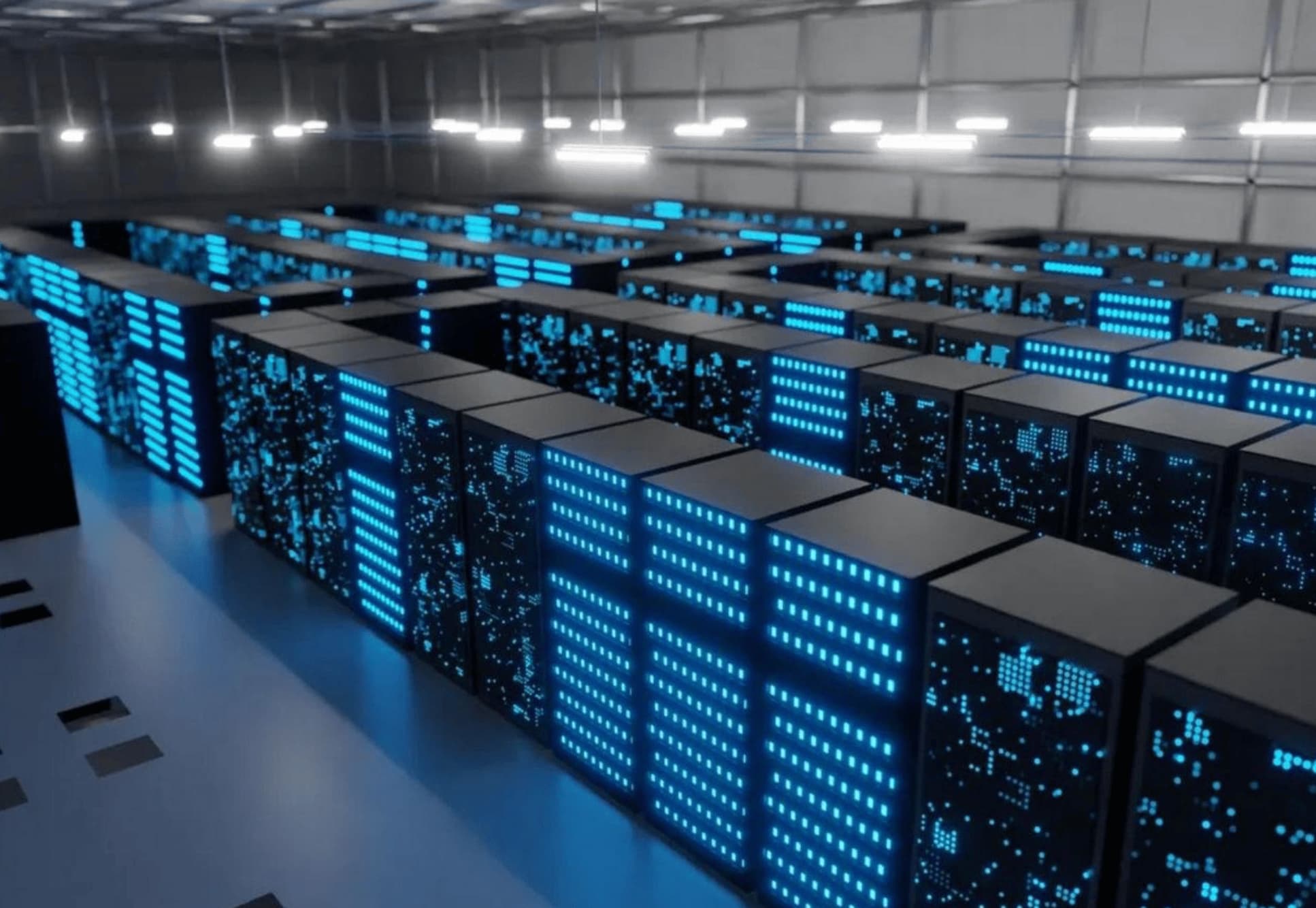
Constellation Energy closed Wednesday up 12.25% to $300.40 after signing an agreement with Alphabet's Google to deliver 3,590 megawatts of power — including a nuclear energy component — in what Google described internally as its largest single power procurement to date. The deal is not a letter of intent. It is signed, it is sized, and it is the clearest signal yet that Big Tech's hunger for always-on, carbon-free baseload power has turned nuclear operators into the most strategically valuable energy assets in the United States.
The Deal That Changes CEG's Story
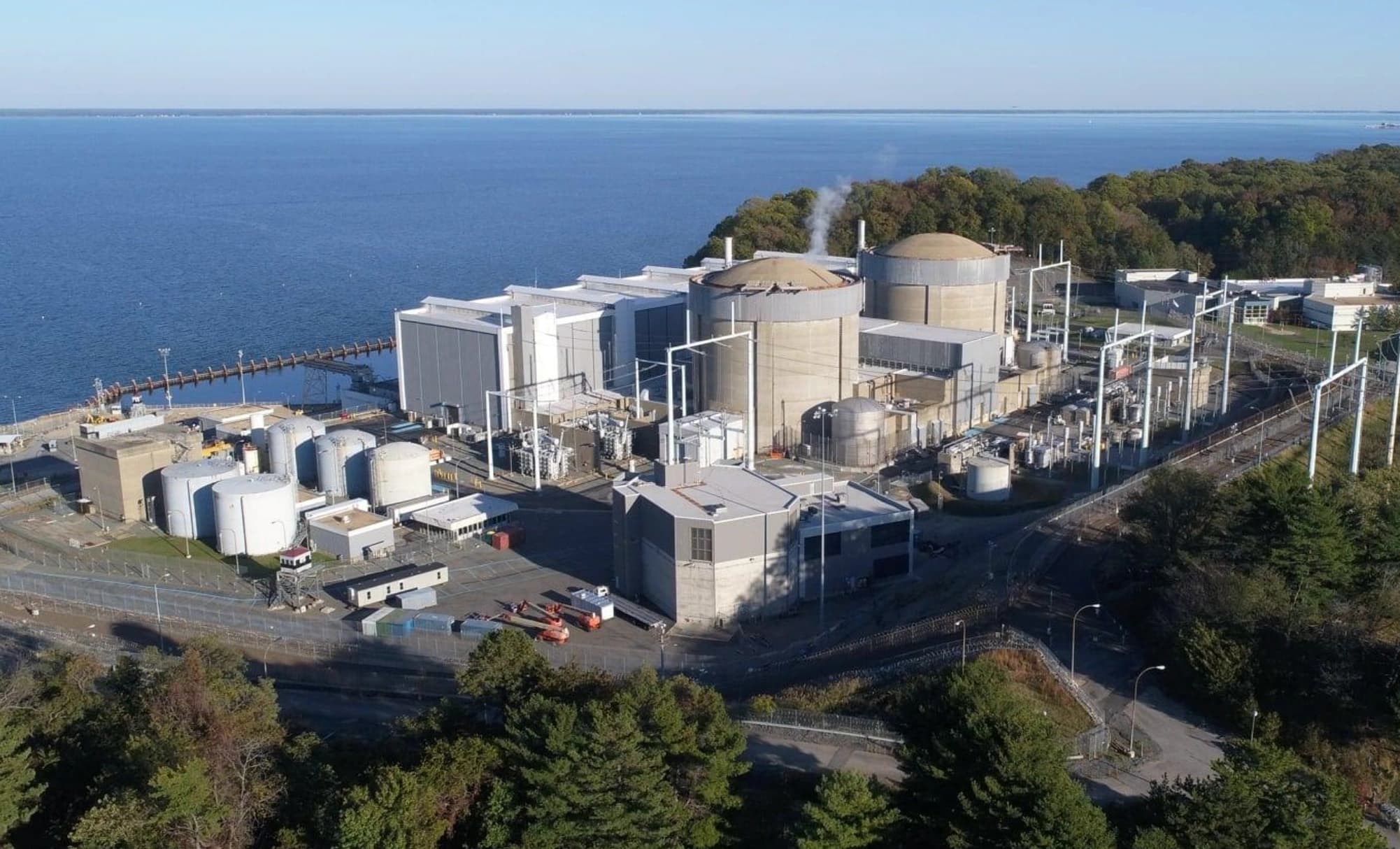
The 3,590 MW figure is the number that matters most here. For context, a single large nuclear reactor generates roughly 1,000 MW. This agreement implies a multi-unit, long-duration commitment — not a token green energy purchase designed to satisfy an ESG disclosure. It echoes the structure of the landmark Microsoft–Three Mile Island deal struck in late 2024, in which Constellation agreed to restart the shuttered Pennsylvania plant to feed Microsoft's AI workloads. That deal sent CEG to its 52-week high of $412.70. Wednesday's Google agreement is larger in megawatt terms, and it arrives at a moment when CEG is trading 27% below that prior peak at $300.40 — a gap that now looks increasingly difficult to justify on fundamentals alone.
The nuclear component of the Google deal is the critical differentiator. Renewable energy agreements — solar PPAs, wind contracts — are abundant, relatively cheap, and interruptible. Nuclear is none of those things. It runs at capacity factors above 90%, it produces power around the clock regardless of weather, and there are perhaps a dozen operators in the United States capable of delivering it at scale. Constellation, as the largest nuclear fleet operator in the country with 21 reactors across 12 plants, sits at the top of that very short list. Google's decision to sign a deal specifically structured around nuclear output is an endorsement of the technology at a moment when the AI industry's power consumption is growing faster than the grid can absorb new renewable capacity.
The Halo Effect Is Real — and Tradeable
The market wasted no time pricing in the read-through. Vistra Corp. — the second-largest competitive power producer in the U.S. with meaningful nuclear exposure through its Comanche Peak facility in Texas — gained 10.77% to $160.50 on volume of 18.1 million shares. Talen Energy, which operates the Susquehanna nuclear plant in Pennsylvania and signed its own AI data center power deal with Amazon in 2023, jumped 12.43% to $373.11. These are not passive index moves or sector-rotation footnotes. Both stocks moved on volume that suggests institutional repositioning, not retail momentum chasing.
The thesis driving all three names is structurally identical: data center electricity demand is growing at a rate that solar and wind alone cannot satisfy, the permitting timeline for new nuclear construction runs 10 to 15 years, and the existing fleet of licensed reactors therefore commands a scarcity premium that will only widen as hyperscalers compete for offtake agreements. Microsoft locked in Three Mile Island. Google has now locked in 3,590 MW from Constellation. Amazon has Talen's Susquehanna capacity. The open question — and the trade — is who signs next, and with whom. Meta, Apple, and domestic cloud providers have made no comparable announcements. Each one represents a potential catalyst for additional upside across the nuclear operator complex.
The sector trade is also supported by policy tailwinds that were not present in the last nuclear bull cycle. The Inflation Reduction Act's nuclear production tax credits provide $15 per megawatt-hour for existing reactors through 2032, dramatically improving the economics of keeping aging plants online. The Nuclear Regulatory Commission has streamlined license renewal procedures. And the Department of Energy has committed multi-billion dollar loan guarantees for both existing fleet maintenance and advanced reactor development. The regulatory and fiscal environment for nuclear operators is the most favorable it has been in 40 years — and Wall Street is only now beginning to price that into valuations.
What Traders Watch Next
The immediate technical setup for CEG is straightforward. The stock spent much of the summer in a range between $250 and $275 following a sharp pullback from the $412.70 high set earlier this year. Wednesday's gap higher to $300.40 clears the top of that range on volume of 13.5 million shares — more than four times the average — which is a technically clean breakout signal. The next resistance cluster sits between $320 and $340, where CEG consolidated briefly on the way up to its 52-week high. A sustained hold above $300 through the rest of the week would confirm the breakout and open a path toward that band.
The fundamental ceiling, however, is more interesting than the technical one. At $300.40, CEG trades at roughly 25 times forward earnings — a premium to the utility sector average of 18x, but a discount to the multiple the market was willing to pay at $412. If analysts begin revising price targets to reflect the Google deal's revenue contribution — and at least two major banks are expected to update models this week — the stock could see a wave of target increases that sustains upside momentum well beyond a single-day pop.
For traders with longer time horizons, the more important date on the calendar is CEG's next earnings report, expected in late October or early November, when management will have the opportunity to quantify the financial terms of the Google agreement and provide updated guidance that incorporates the new contract. Any color on pricing per megawatt-hour, contract duration, or capital expenditure requirements will be the difference between a sustained re-rating and a one-day headline trade. The VST and TLN halo plays carry higher beta — Talen in particular, at $373, has already run 80% year-to-date — so position sizing discipline is critical for traders using those names as leveraged proxies on the nuclear thesis. Watch CEG's $300 level as the line in the sand: a close back below it would signal the breakout has failed and the gap may partially fill toward $280.
The Weekly Investor
Daily market analysis for active traders. Free.