CPI at 3.7%: Inflation Is Back and the Fed Is Quiet
September CPI surged to 3.7% YoY as energy prices explode. PPI hits 6.3%. With the Fed in blackout, traders face a December hike risk building fast.
Key Points
- September CPI accelerated to 3.7% YoY — a 30-basis-point blowout above August's 3.4% print — with energy the primary accelerant.
- PPI jumped to 6.3% YoY, the highest since December 2022, signaling that pipeline pressures have not peaked and producer costs are heading downstream.
- Traders should mark October 28 on their calendars: the FOMC decision is the next binary event, with December increasingly the live hike meeting if Friday's flash PMIs confirm continued expansion.
September CPI came in at 3.7% year-over-year — 30 basis points above August's 3.4% — and the producer price index simultaneously hit 6.3% YoY, its worst reading in nearly four years. The Fed is in blackout. No official statement will come until October 28. That silence, set against the hottest pipeline inflation print since December 2022, is the defining macro tension for traders this week.
The Numbers Are Worse Than the Headline
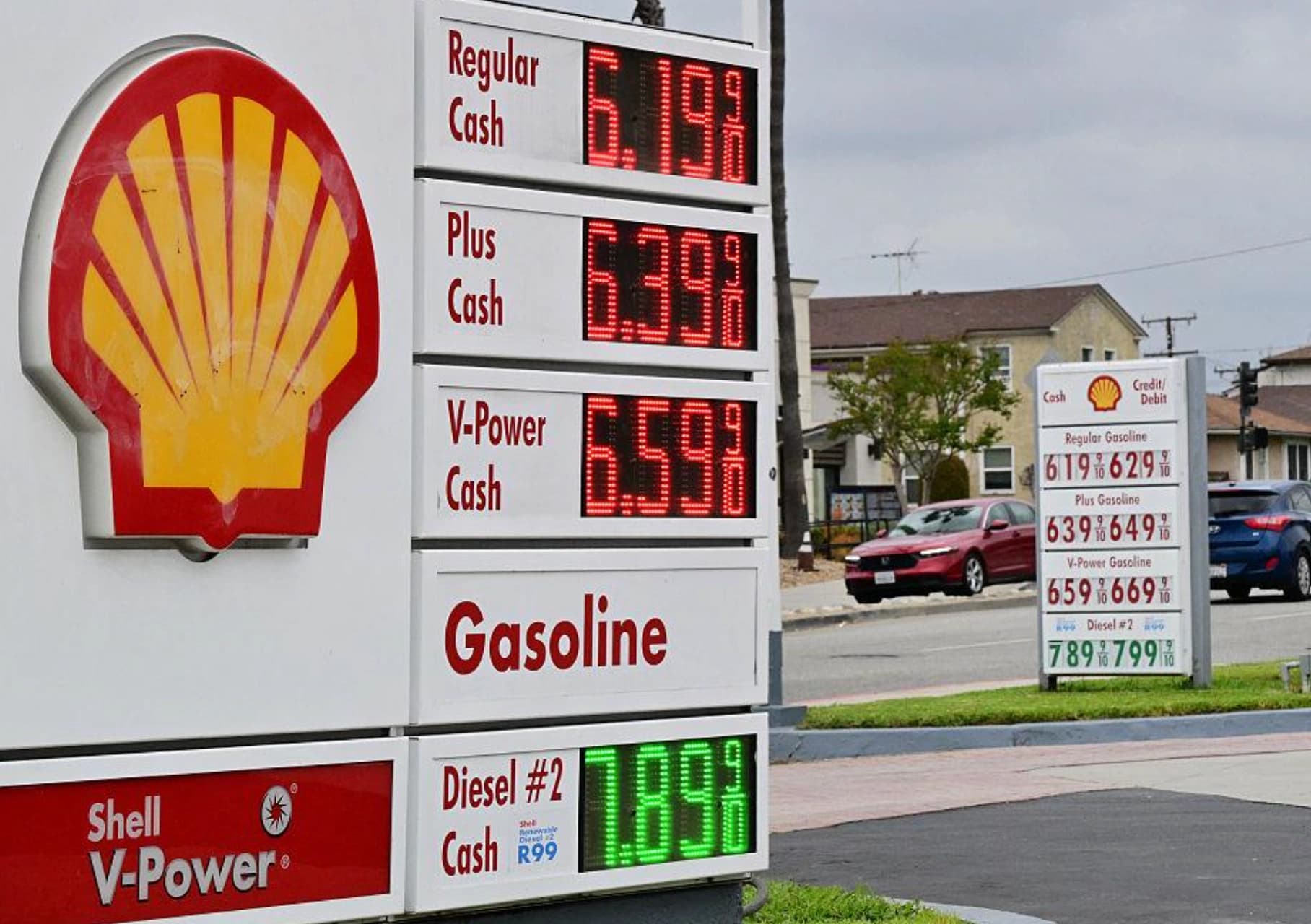
Gasoline drove the September CPI shock more than any other single component, rising 9.1% month-over-month and 34.2% year-over-year — accounting for more than half the monthly gain in the overall index. The energy index as a whole surged 5.2% on the month and 20.4% over the prior year. These are not rounding errors. They are the arithmetic consequence of an Iran-war-driven oil shock feeding directly into the consumer price basket.
More troubling for the Fed than energy, which policymakers typically look through, is the behavior of core CPI. Strip out food and energy and prices still rose 0.3% month-over-month for the second consecutive month, pushing the annual core rate to 2.6% from 2.4% in August. Shelter costs — which had been the disinflationary bright spot in the first half of 2026 as pandemic-era leases rolled over — are no longer pulling the index lower. That removes the most credible near-term argument for a continued downward trend in core.
The producer price data makes the core CPI story look optimistic by comparison. PPI final demand rose 6.3% YoY — a level last seen in December 2022, when the Fed was still in the middle of its historic tightening cycle. Final-demand prices excluding energy, food, and trade services — the Fed's preferred measure of underlying pipeline pressure — held at 5.0%. Import prices net of tariffs rose 1.1% in September alone. Taken together, these prints describe a pricing environment where cost pressures are broad, persistent, and not yet fully transmitted to consumers. The Redbook same-store sales index, at 10.4% YoY for the week ending October 10, confirms that retailers retain the pricing power to keep passing those costs through.
What the Fed Can and Cannot Do Right Now
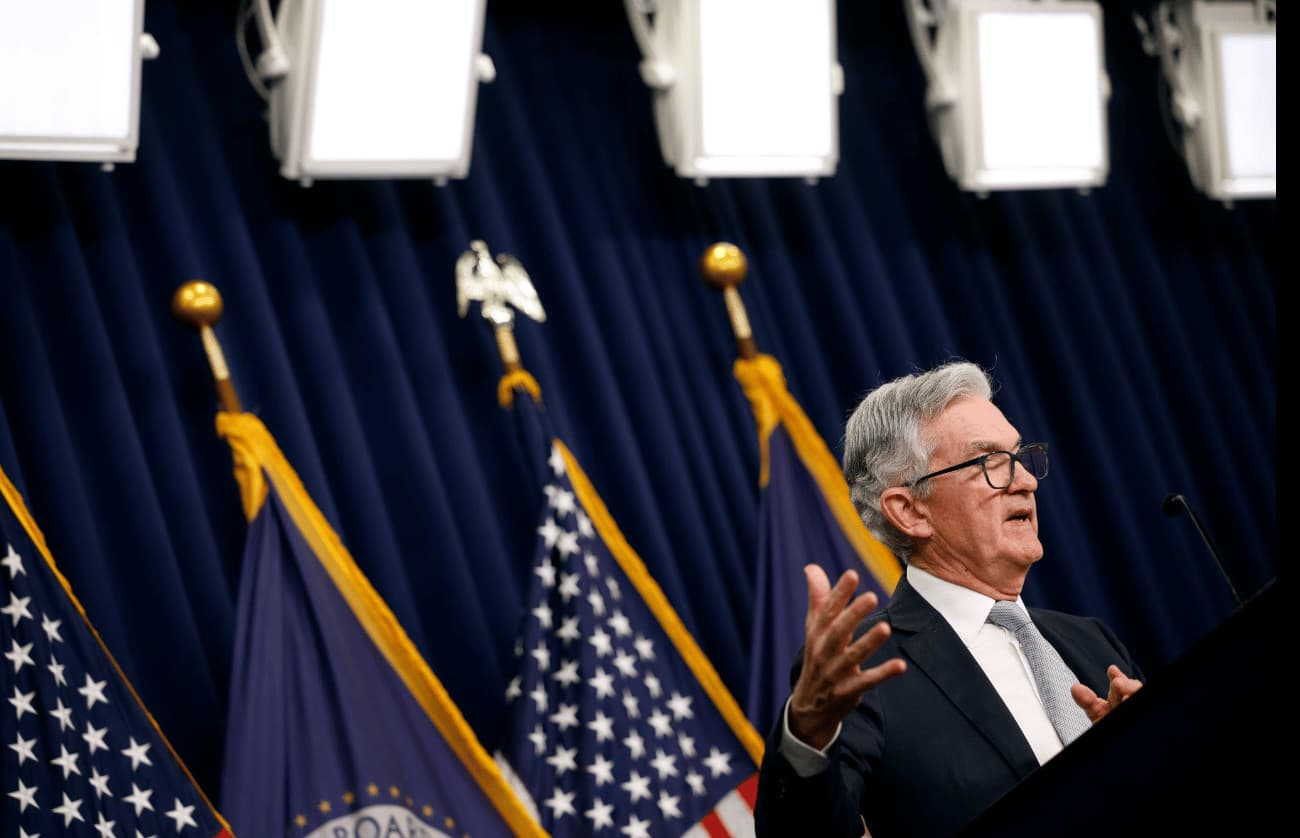
Federal Reserve policymakers entered their pre-FOMC blackout period over the weekend, which means the last public signal from the central bank is the one they have to trade on. That signal came Friday from Fed Chair Kevin Warsh at the IMF meeting in Bangkok, and it was deliberately ambiguous. Warsh declined to indicate whether the Fed would raise rates at the October 28 meeting, framing his reticence as a principled departure from the forward-guidance regime that characterized the Powell era. Markets interpreted the non-answer as a lean toward holding: implied probability of an October hike fell to below 20% following his remarks.
That pricing looks reasonable given the Fed's own stated preference for data accumulation before moving. The FOMC voted 12-0 to raise the federal funds rate by 25 basis points to the 3.75%–4.00% range at its September 16 meeting — a unanimous decision that suggests consensus but not necessarily urgency for consecutive hikes. Deutsche Bank economists have publicly aligned with an October hold, arguing that policymakers need more time to assess whether the recent rise in global yields is doing tightening work on their behalf. The 10-year Treasury, notably, fell roughly 17 basis points last week despite the CPI and PPI beats — a counterintuitive move that DB's argument helps explain. If bond markets are beginning to price in slower growth driven by elevated borrowing costs, the Fed may see financial conditions doing some of its work.
There is one procedural event today worth monitoring. The Federal Reserve Board of Governors has a closed meeting scheduled for 11:30 AM ET to consider the advance and discount rates charged by Federal Reserve Banks. These meetings are routine and rarely produce surprises, but any adjustment to the discount rate would be a policy signal traders should not ignore, given the current inflation context.
What Traders Watch Next
The October hold is close to consensus. The real trade is December. For a December rate hike to become the base case — rather than a tail risk — the data between now and the November FOMC meeting needs to either hold at current elevated levels or accelerate further. This week provides the first significant look at October momentum. Friday's S&P Global flash PMI prints are the most important release on the near-term calendar: composite PMI consensus sits at 58.4 against a prior 57.9, manufacturing at 55.9, and services at 58.8. An upside surprise in services — which carries the greatest weight in core CPI — would materially reprice December hike odds.
Housing data today is a sideshow to inflation but not irrelevant. The NAHB Housing Market Index is expected to print at 31 against a prior 32, and Housing Starts are forecast to recover to 1.30 million from a prior 1.275 million after a -2.6% decline in August. Pending Home Sales YoY are expected to flip from -4.7% to +1.0%. A sustained recovery in housing would challenge the narrative that elevated mortgage rates are crushing demand — and add another demand-side argument for continued Fed firmness.
Traders positioned in rate-sensitive assets need to hold two dates in their working memory: October 28 for the FOMC decision, and October 23 for Friday's flash PMI. A PMI beat combined with any upward revision to inflation expectations in the University of Michigan final sentiment print — consensus 48.1 against a prior 46.3 — would make the 10-year Treasury's current level near last week's post-retreat low look difficult to defend. Watch the 4.20% level on the 10-year as the first resistance. A close above it this week, driven by strong activity data, would begin the process of repricing December from a risk to a base case.
The Weekly Investor
Daily market analysis for active traders. Free.