CPI 3.7%, PPI 6.3%: Stagflation Is Back on the Table
September CPI hit 3.7% YoY and PPI exploded to 6.3% — a full point above estimates. Here's what the inflation double-punch means for the Oct. 28 Fed decision.
Key Points
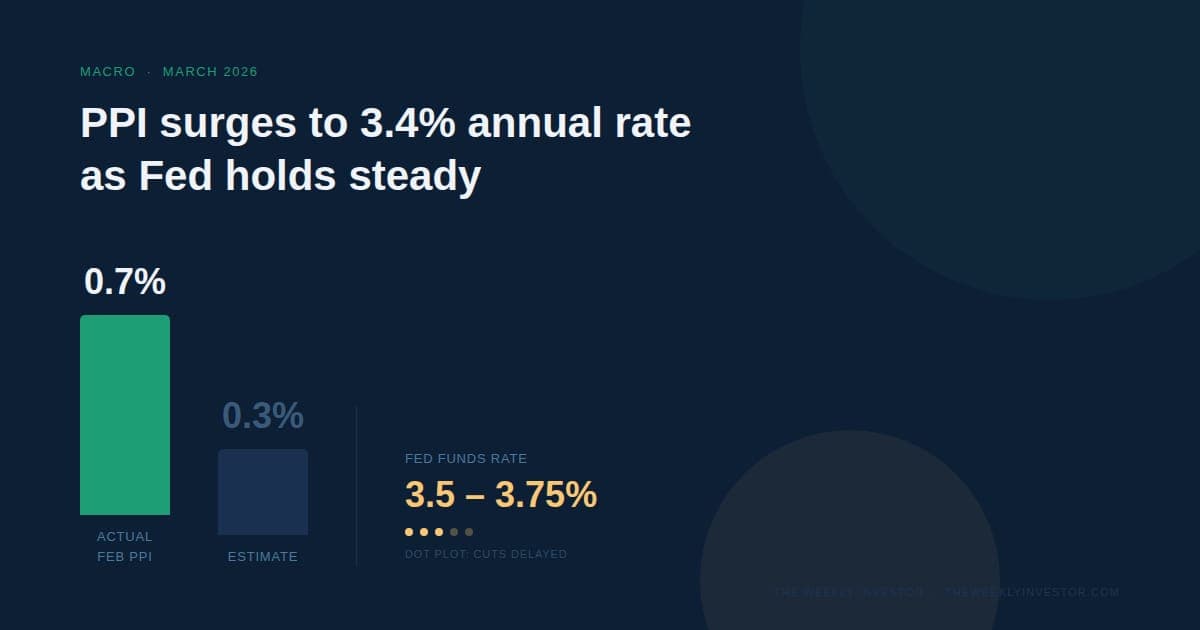
- September PPI surged 6.3% year-over-year — a full percentage point above the 5.3% consensus estimate and the hottest wholesale inflation print in over three years.
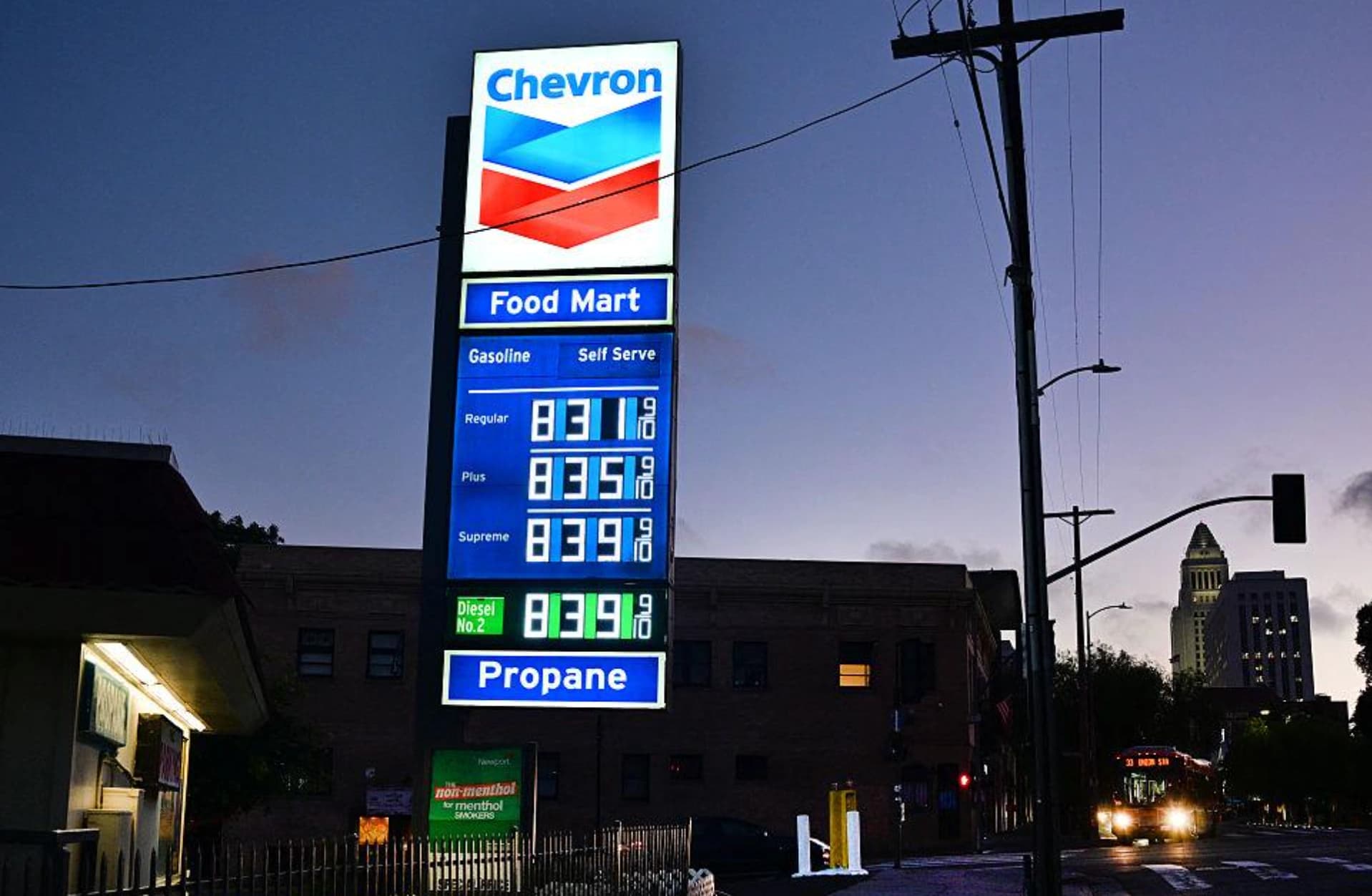
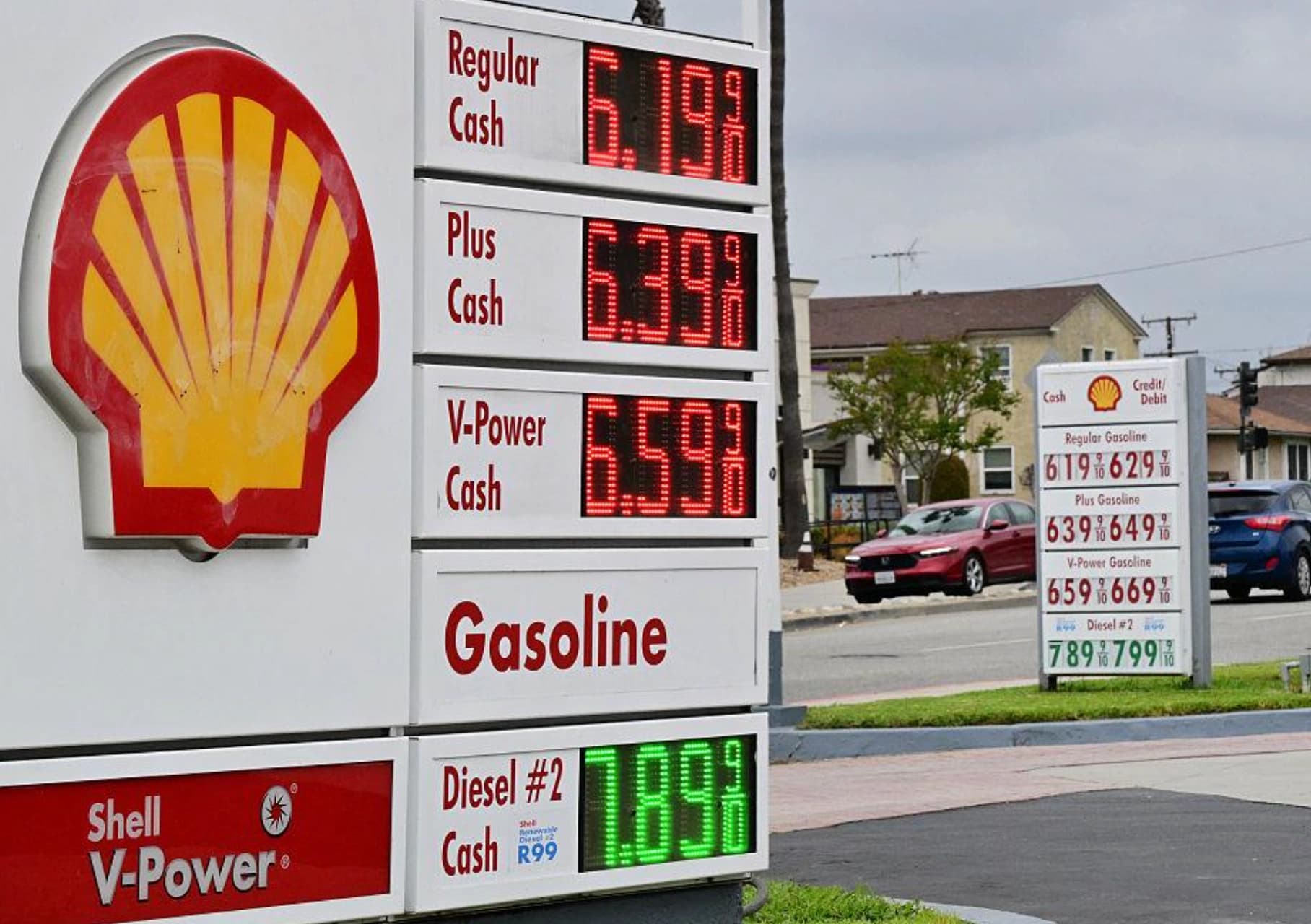
- Energy is doing the heavy lifting on headline CPI, with gasoline up 9.1% in September alone, but core readings are accelerating independently, with core PPI hitting its fastest monthly pace in five months.
- With the FOMC meeting on October 28 now locked in as a near-certain hold, traders need to watch whether December futures pricing — currently near 50/50 on a hike — firms up materially after next week's Housing Starts data and any Fed speaker comments before the blackout period begins.
September's inflation data didn't just beat expectations — it blew past them on two consecutive days and resurrected a word traders had hoped to retire: stagflation. The Consumer Price Index rose 3.7% year-over-year against a 3.6% consensus, while the Producer Price Index detonated at 6.3% annually versus the 5.3% forecast — a miss so wide it suggests the pipeline pressure feeding into consumer prices is nowhere near exhausted.
What the Data Actually Shows
Start with the CPI internals, because the headline number understates the problem. The 0.6% monthly gain in September — up from 0.4% in August — was driven in large part by a gasoline spike of 9.1% for the month, which the Bureau of Labor Statistics confirmed "accounted for over half of the monthly all-items increase." Energy overall is up 20.4% over the past 12 months. Strip gasoline out and the picture doesn't suddenly turn benign: core CPI, which excludes food and energy, rose 0.3% month-over-month and 2.6% year-over-year, topping the 0.2% monthly and 2.5% annual forecasts. That core overshoot is the number that should be keeping Fed officials up at night, because it tells you demand-side inflation is alive and accelerating without any help from the pump.
Food added its own friction: the food index rose 2.5% over the past year, a slow grind that compounds the energy shock hitting household budgets simultaneously. The cumulative picture from the BLS release is of an economy where price pressures are broad, not concentrated — which is precisely the kind of inflation that monetary policy struggles most to suppress without inflicting serious damage on growth. Traders who were positioned for a benign September print got the answer Wednesday when U.S. equities sold off immediately on the open, a reaction that was swift and unambiguous.
Thursday's PPI report then made Wednesday look like a warm-up act. Wholesale prices rising 1.3% in a single month — against a 0.5% consensus — is not a rounding error. That monthly print is more than double the expectation. The annual rate of 6.3% hasn't been seen at this level since the post-pandemic inflation surge, and core PPI at 5.0% YoY, with a 0.7% monthly gain described by analysts as "its fastest rate in five months," indicates that services and goods producers alike are still passing costs forward. The mathematical implication is uncomfortable: if PPI is the upstream input to CPI, and PPI is re-accelerating at this velocity, the October and November CPI prints — which the Fed will see before its December 8–9 meeting — are unlikely to offer relief.
The Fed's Problem
Fed Chair Warsh appeared at the IMF–World Bank Annual Meetings in Bangkok on Friday and gave traders exactly nothing to work with, which was itself a signal. His refusal to prejudge the October 28 FOMC outcome — "I'm not going to prejudge FOMC meetings; I'm going to try not to prejudge" — landed in a market that already had the October decision priced as a near-certain hold following the Fed's 25-basis-point hike to the 3.75%–4.00% range on September 16, a move that passed 12-0. Warsh did acknowledge that global economic trends since September have been "broadly in line" with the Fed's expectations, which Goldman Sachs economists led by Jan Hatzius interpreted as confirmation that the FOMC is set to pause this month. Goldman's base case remains a second and final hike in December.
The problem with that framework — hold October, hike December — is that it was constructed before Thursday's PPI print. A core PPI reading of 5.0% annually, with a 0.7% monthly acceleration, is difficult to square with a central bank that raised rates only 25 basis points in September while simultaneously signaling patience. Warsh's Bangkok comments emphasized price stability and described the global tightening campaign as leaving "no free riders," language that reads more hawkish than his non-answer on forward guidance. The Fed raised rates to 3.75%–4.00% less than a month ago in a unanimous vote. If the October 28 meeting is a hold — and it almost certainly is — every syllable of the accompanying statement will be scrutinized for whether December is being pre-committed or merely left open.
What the Fed cannot ignore is the combination: 3.7% CPI, 6.3% PPI, and a non-farm payroll print of just 29,000 jobs in September, down catastrophically from 133,000 in August, with the unemployment rate ticking up to 4.2%. That is textbook stagflation — the scenario monetary policy is least equipped to handle cleanly because any medicine strong enough to kill inflation risks finishing off the labor market. The Fed's credibility trade-off is stark: move too aggressively and you crack an already-cracking jobs market; stay patient and you allow a 6.3% wholesale inflation rate to keep feeding forward into consumer prices through the winter.
What Traders Watch Next
The immediate catalyst is today's Industrial Production report from the Federal Reserve, due at 9:15 AM ET. Consensus is +0.4% month-over-month following a flat August reading. Manufacturing PMI has been running hot — 55.9 in September versus 53.9 in August — but PMI sub-indices have shown softening in new orders that could translate into a miss on the production number. A downside surprise today would deepen the stagflationary narrative: prices blazing, output slowing, Fed boxed in. A beat of 0.5% or higher would partially counter the growth-side worry but would do nothing to address the inflation problem, and might actually harden the case for December action.
Beyond today, the sequence that matters runs through October 20, when September Housing Starts are released. The August print already slipped to 1,275,000 units from 1,309,000 in July, with permits falling to 1,403,000 from 1,433,000. Another leg lower in housing activity would signal that the Fed's rate hikes are biting the rate-sensitive sectors while inflation in services and energy runs untouched. The Atlanta Fed's GDPNow model is tracking Q3 growth at 3.6% annualized — a number that gives the Fed some cover to hike again in December without triggering an immediate recession alarm. But that figure will be revised as October data accumulates, and the direction of revision is the variable traders need to track obsessively through month-end. If December hike probability, currently near 50/50, moves above 65% in fed funds futures before the October 28 blackout lifts, that repricing will drive the next leg in rates, the dollar, and equity valuations simultaneously. Watch the 2-year Treasury yield — it is the cleanest real-time barometer of where this trade is heading.
The Weekly Investor
Daily market analysis for active traders. Free.