CEG Earnings: Can Constellation Clear the $3.88 Bar?
Constellation Energy reports Q3 2026 before the open with an EPS estimate of $3.88. Here's what traders need to know about the setup.
Key Points
- Constellation Energy is expected to post Q3 EPS of $3.88 — a 27.6% jump from the $3.04 it earned in the same quarter last year.
- The Calpine acquisition and elevated power prices are the primary revenue drivers, with analysts forecasting $9.35B in Q3 revenue — up 42.3% year-over-year.
- Traders should watch the full-year guidance range of $11.50–$12.50 per share for any upward revision that could serve as the next re-rating catalyst.
Constellation Energy walks into Monday's pre-market print carrying an 88% historical EPS beat rate, a consensus estimate of $3.88 — up 27.6% from the year-ago $3.04 — and a revenue bar set at $9.35 billion, 42.3% above last year's comparable quarter. That revenue target alone tells the story of how dramatically this company has changed in twelve months.
The Calpine Effect
The Calpine acquisition is the single biggest variable distorting — and driving — every year-over-year comparison Constellation posts for the foreseeable future. When CEG closed the deal earlier this year, it added a fleet of natural gas generation assets that vaulted the combined entity into a different tier of scale entirely. Last quarter, the acquisition was already contributing meaningfully: CEG posted adjusted EPS of $2.55, up 33.5% year-over-year, with the Calpine contribution cited as a primary driver alongside favorable wholesale power pricing. The $9.35 billion revenue estimate for Q3 reflects the first full quarter where Calpine's asset base is fully embedded in the run rate — which means analysts are not just extrapolating organic growth, they are pricing in structural scale.
What makes this quarter's setup particularly high-stakes is that CEG has beaten EPS estimates in 88% of its recent quarters, according to MarketBeat — a track record that has priced a certain level of upside delivery into the stock. That history creates an asymmetric situation. A beat is expected; the question is the magnitude. A miss, even a narrow one, would be a genuine surprise and could trigger a sharper-than-normal selloff precisely because the market has stopped pricing in the possibility of one.
Power pricing is the other lever. Wholesale electricity prices in PJM — the grid operator covering much of CEG's core eastern footprint — ran elevated through the summer months, supported by heat-driven demand and constrained supply. Whether those conditions translated into stronger realized prices for Constellation's fleet, or whether hedging structures capped the upside, will show up in the gross margin line. Analysts will be dissecting the segmental disclosures closely. If nuclear generation margins came in above last quarter's levels, the EPS beat could be substantial.
The Guidance Range That Matters More Than the Print
CEG management already raised full-year earnings guidance to $11.50–$12.50 per share after Q2, and what happens to that range today will carry more weight with serious investors than the Q3 number itself. The midpoint of that range, at $12.00, implies roughly $3.60 in Q4 EPS — achievable, but not padded. If management narrows the range toward the top end, or raises the floor, it signals confidence in power market conditions through year-end and into 2027. That is the catalyst traders are really positioning for.
GuruFocus noted ahead of the print that the combination of Calpine integration progress and rising data center power demand contracts has fundamentally changed how analysts model CEG's out-year cash flows. The hyperscaler power purchase agreement pipeline — which CEG has been building aggressively — represents a stream of contracted revenue that dampens commodity price volatility and justifies a higher multiple. Any update on signed or near-signed PPA volumes today would be a significant positive surprise.
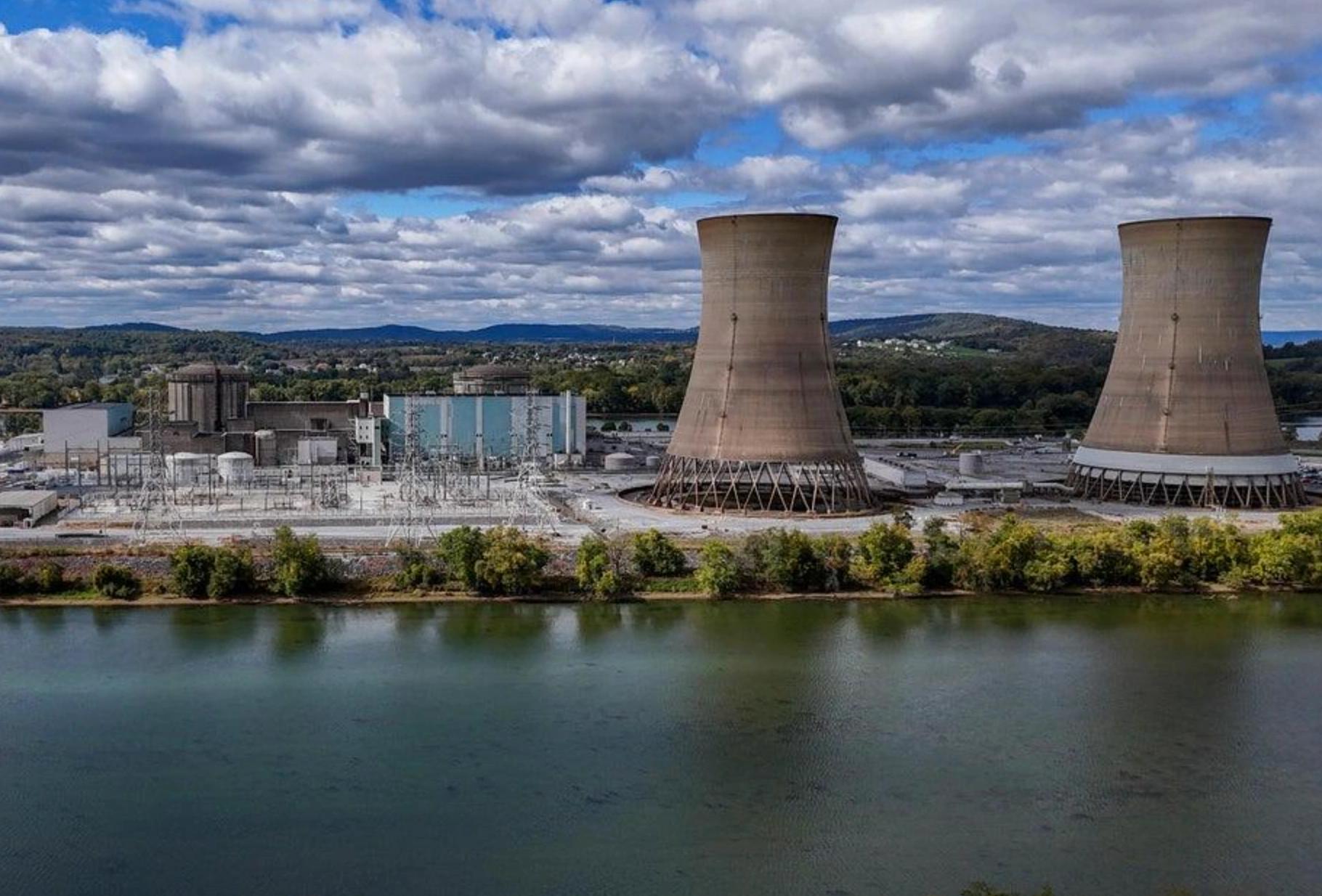
The data center angle is not incidental. Microsoft, Amazon, and a cluster of AI infrastructure builders have been scrambling to lock in dispatchable, 24/7 carbon-free power — and nuclear, CEG's core asset, is the only technology that genuinely delivers that profile at scale. CEG inked a landmark 20-year deal earlier this year with a major hyperscaler to restart the Three Mile Island Unit 1 reactor under the Crane Clean Energy Center name, and the market has been watching for follow-on announcements. If management drops even a hint of additional long-term contracted capacity today, the stock will respond.
What Traders Watch Next
The setup into the print is not without risk. CEG shares have had a substantial run over the past eighteen months, and at current levels, the stock is pricing in significant execution on both the Calpine integration and the contracted power growth story. Any sign that integration costs are running above forecast, or that the PPA pipeline is slower to convert than expected, could weigh disproportionately. The $3.88 EPS consensus is achievable — the 88% beat rate and the tailwinds in play suggest the base case is a beat — but investors paying current prices need growth, not just delivery.
The revenue number deserves equal attention. The $9.35 billion estimate represents a 42.3% year-over-year jump, and while Calpine explains the bulk of that mathematically, the organic growth rate embedded within it matters for the multi-year thesis. If reported revenue falls meaningfully short of the $9.35 billion level, that would signal either lower realized power prices, lower generation volumes, or Calpine integration friction — none of which would be welcome.
Also watch the balance sheet. Post-acquisition leverage levels and the pace of debt reduction will factor into whether CEG can sustain its current capital allocation framework. If the CFO commentary on the earnings call tilts toward conservative balance sheet management over shareholder returns, some investors may read that as a signal that integration has consumed more cash than modeled.
Looking ahead, the most important date on the calendar for CEG beyond today's print is not another earnings call — it is any announcement tied to new long-term power contracts or additional reactor restarts. The company has repeatedly signaled it is in active discussions on multiple fronts, and a formal announcement of a second major hyperscaler PPA would almost certainly push the stock through resistance and prompt a fresh wave of analyst upgrades. Traders holding into today's print should set a specific level to watch on the upside: a clean beat with raised guidance and positive PPA commentary would put the prior high back in play within sessions. A miss on revenue, even with an EPS beat, risks a 5–8% intraday pullback given positioning. The binary is real — but the base case still favors the bulls.
The Weekly Investor
Daily market analysis for active traders. Free.