BOJ Eyes 1.50% in December as BOE Holds the Line at 4%
Bank of Japan signals December hike to 1.50% as underlying inflation hits 2% target. BOE at 4.00% faces energy crisis test ahead of December 17 decision.
Key Points
- The Bank of Japan's underlying inflation hit the 2% target for the first time, with Governor Ueda explicitly backing further rate hikes and markets pricing a move from 1.25% to 1.50% at the December meeting — with some analysts now projecting 2.5% by mid-2027.
- The Bank of England raised to 4.00% on November 5 in an 8–1 vote, with ING flagging a possible December move if energy costs broaden further, while today's UK Flash Services PMI missed at 52.0 versus a 53 consensus.
- Traders should watch the BOJ's December meeting for a 1.50% confirmation and the December 17 BOE decision for signals on how far the UK energy crisis forces Threadneedle Street's hand.
The Bank of Japan has arrived at the threshold it spent three decades trying to reach: underlying inflation at 2%. Governor Kazuo Ueda said last week the BOJ expects to keep raising rates and warned that underlying inflation could overshoot the target — language that all but confirms a move from 1.25% to 1.50% at the December meeting. Meanwhile, across the channel, the Bank of England is managing an entirely different kind of inflation emergency, one driven by an energy crisis that pushed it to hike 25 basis points to 4.00% on November 5 and may force another move before the year is out.
Japan's Historic Inflection Point
The BOJ's October 30 decision to hold at 1.25% in an 8–1 vote — the lone dissenter wanted 1.50% immediately — now looks like a one-meeting delay rather than a genuine pause. Ueda's post-meeting commentary was notably hawkish: consumption was described as resilient, yen depreciation and semiconductor demand are embedding inflation into the services sector, and the bank raised both growth and inflation forecasts. When a central bank governor says explicitly that "underlying inflation could overshoot the target" in the same breath as confirming the 2% threshold has been breached for the first time, that is not ambiguity — that is forward guidance.
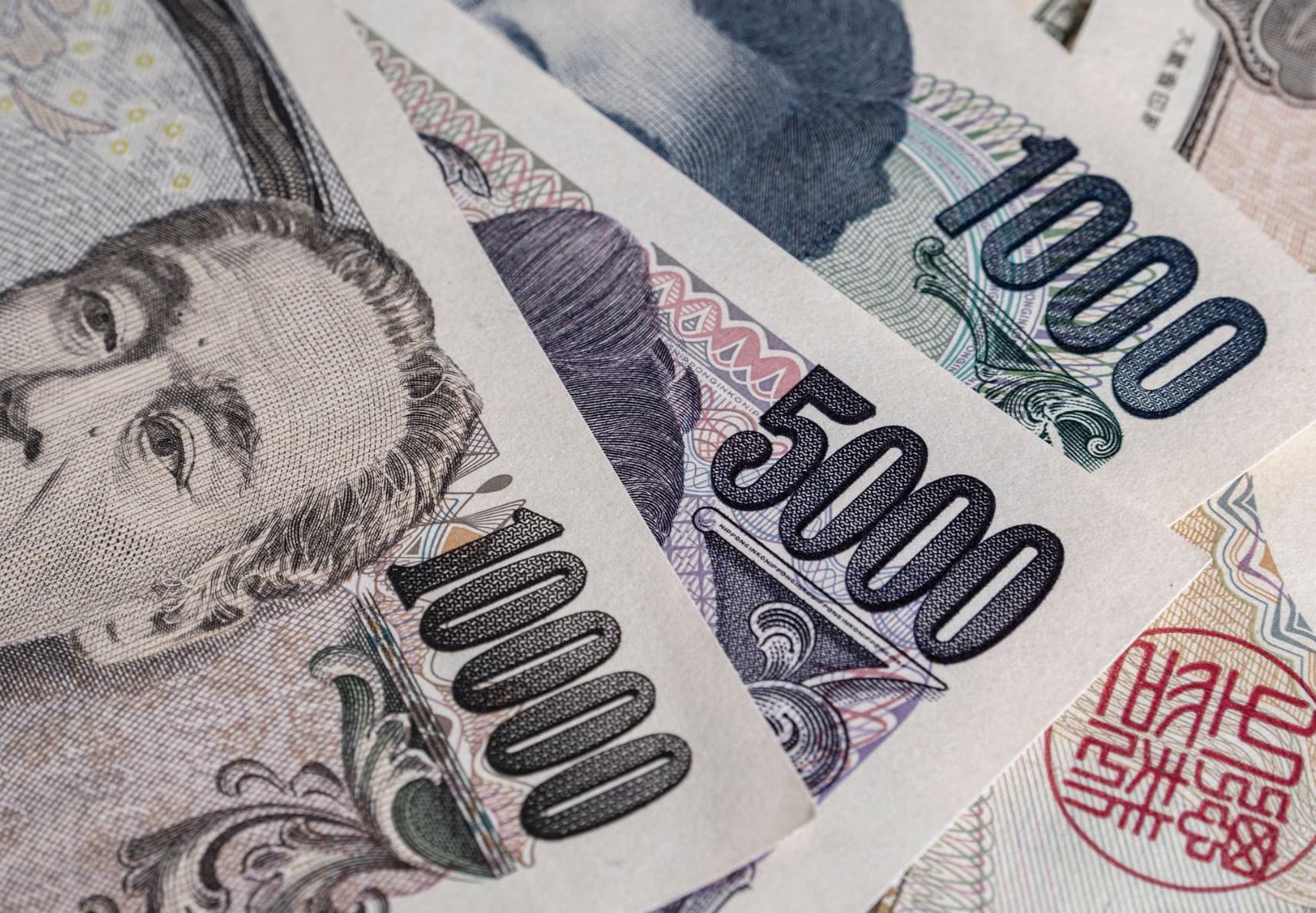
The yen's depreciation is doing real work here. A weaker currency imports inflation through energy and goods prices, and Japan's semiconductor-driven export boom is tightening the domestic labor market in a way that the BOJ has been waiting years to see. That combination — cost-push inflation from currency weakness plus demand-pull inflation from a tightening labor market — is precisely the environment Ueda needs to justify a steady hiking cycle rather than a one-and-done adjustment. Some analysts have already revised their terminal rate calls to 2.5% by mid-2027, up from earlier projections of 2.0%. If that trajectory holds, it represents the most aggressive BOJ tightening cycle in modern history, with enormous implications for the yen carry trade that has financed global risk assets for the better part of two decades.
The global implications of a BOJ hiking cycle to 2.5% are not priced into most risk models. The yen carry trade — borrowing in low-rate yen and deploying into higher-yielding assets — has been a structural source of global liquidity for years. As the BOJ normalizes, that trade unwinds. The August 2024 mini-crisis, when a surprise BOJ hike triggered a sharp yen rally and a simultaneous drawdown in global equities, showed exactly how that mechanism works under stress. A move to 2.5% by mid-2027 would not happen in a straight line, but each 25bp step compresses the carry advantage and raises the risk of disorderly unwinding. Traders in US equities, EM carry positions, and long-duration bonds should treat the BOJ's December meeting as a systemic risk event, not just a Japan story.
The BOE's Energy-Inflation Trap
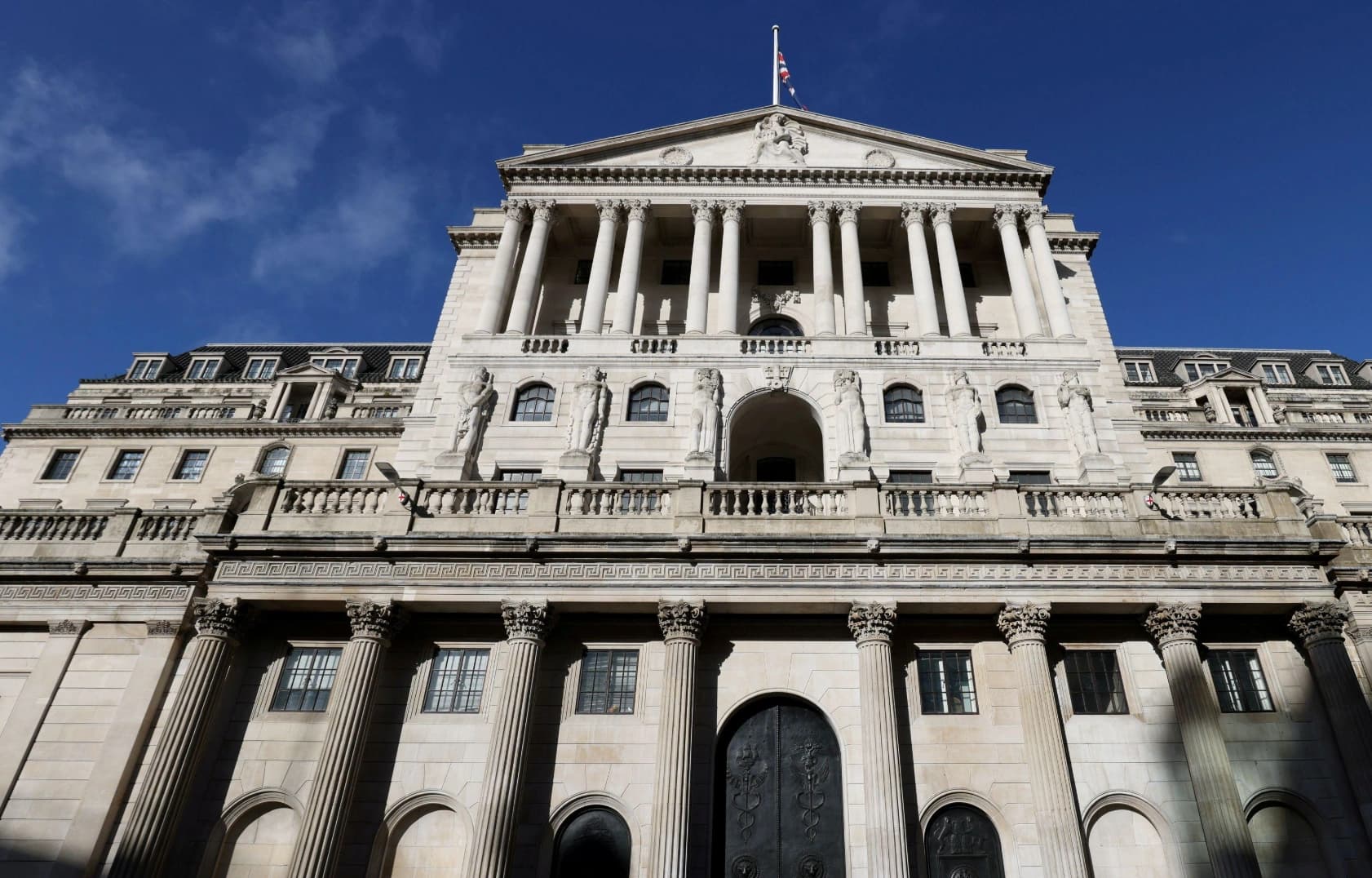
The Bank of England's situation is structurally different and arguably more dangerous in the near term. The November 5 hike to 4.00% was explicitly linked to an energy crisis that the MPC assessed has reached "sufficient depth and longevity" to justify tightening — language that leaves the door open for December action if conditions deteriorate further. ING Research is not ruling out a December move, projecting at minimum one more hike in February 2026. With UK inflation headed above 4% by their own forecast, the BOE is in the same uncomfortable position as the Fed: tightening into a growth slowdown driven by the very energy shock pushing inflation higher.
Today's UK Flash PMI data underscored the growth risk. November Flash Manufacturing PMI came in at 52.7 against a consensus of 53 and a prior of 52.8 — a marginal miss, but directionally consistent with slowing. The Services PMI was the more concerning print: 52.0 against a consensus of 53 and a prior that had already been soft. Services inflation in the UK has been the stickiest component, so a Services PMI miss that also implies weaker pricing power creates a genuine dilemma for Threadneedle Street. The pound fell on the data, reflecting the market's read that slower growth reduces the probability of a December hike even as inflation remains elevated — the classic stagflationary trap.
The BOE's 8–1 vote structure on November 5 is worth examining carefully. A single dissenter voting against the hike would signal internal concern about overtightening into a weakening economy. The fact that the vote was 8–1 in favor of hiking suggests the committee is currently more worried about inflation entrenchment than demand destruction. That conviction will be tested between now and December 17. The December 17 decision will hinge on three inputs: the November UK CPI release, the trajectory of energy prices through December, and whether wage growth data shows any signs of easing. If all three come in hot, ING's February hike call could become a December hike reality — taking the Bank Rate to 4.25% before year-end.
What Traders Watch Next
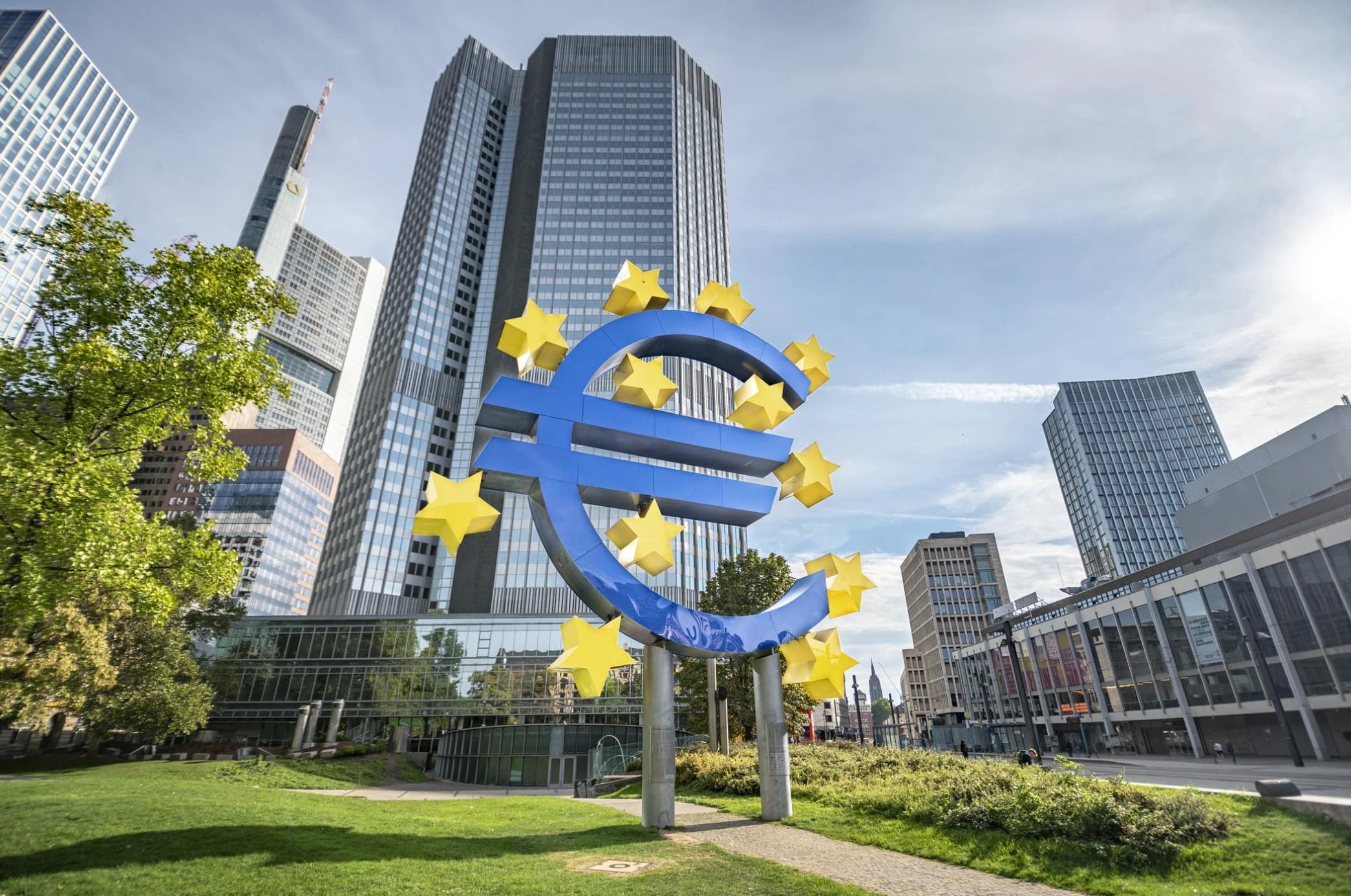
The ECB is the third major piece of this global central bank puzzle, and its October 29 unanimous hold at 2.65% is the clearest signal that not every central bank is on a hiking path. The ECB is watching energy prices lift headline inflation but sees limited second-round effects so far — a distinction that the BOE has already abandoned and the Fed is actively debating. The ECB's December 17 decision will require evidence of second-round inflation effects to justify a hike; absent that, Frankfurt stays on hold. That divergence — ECB on hold, BOE potentially hiking, BOJ hiking — is the defining feature of global rate markets into year-end.
The PBOC's move today adds another layer of complexity. Beijing set the USD/CNY reference rate at 6.7120 against a Reuters estimate of 6.6775, a meaningfully weaker fix that signals China is not resisting yuan depreciation. A weaker yuan exports deflationary pressure to China's trading partners through cheaper goods — a force that cuts directly against the BOJ's inflation narrative and complicates the Fed's read on goods prices. For traders positioned in JPY, GBP, or USD-denominated rate products, the interaction between PBOC policy and BOJ normalization is the least-priced macro risk going into 2027. The specific level to watch on USD/JPY: a move below 148 would confirm that the yen carry unwind is gaining momentum ahead of the BOJ's December decision. The BOE's December 17 date and the BOJ's December meeting are the two calendar pins that define global rate positioning between now and year-end.
The Weekly Investor
Daily market analysis for active traders. Free.