BOJ December Hike Odds Rise as Japan CPI Climbs to 2.3%
Japan's October core CPI is forecast to rise to 2.3%, keeping a BOJ rate hike to 1.50% at the December 17-18 meeting firmly in play.
Key Points
- Japan's October national CPI is forecast to show core inflation rising to 2.3%, a print that — if confirmed tonight — keeps a BOJ hike from 1.25% to 1.50% at the December 17–18 meeting as the base case.
- Three major central banks — the BOJ, ECB, and BOE — all face December decisions within 24 hours of each other, creating a compressed, high-volatility window for global rate and currency markets.
- The BOJ's CPI release tonight is the first hard data point that will either lock in or complicate Governor Ueda's December signaling; watch the services inflation sub-component for the most policy-relevant read.
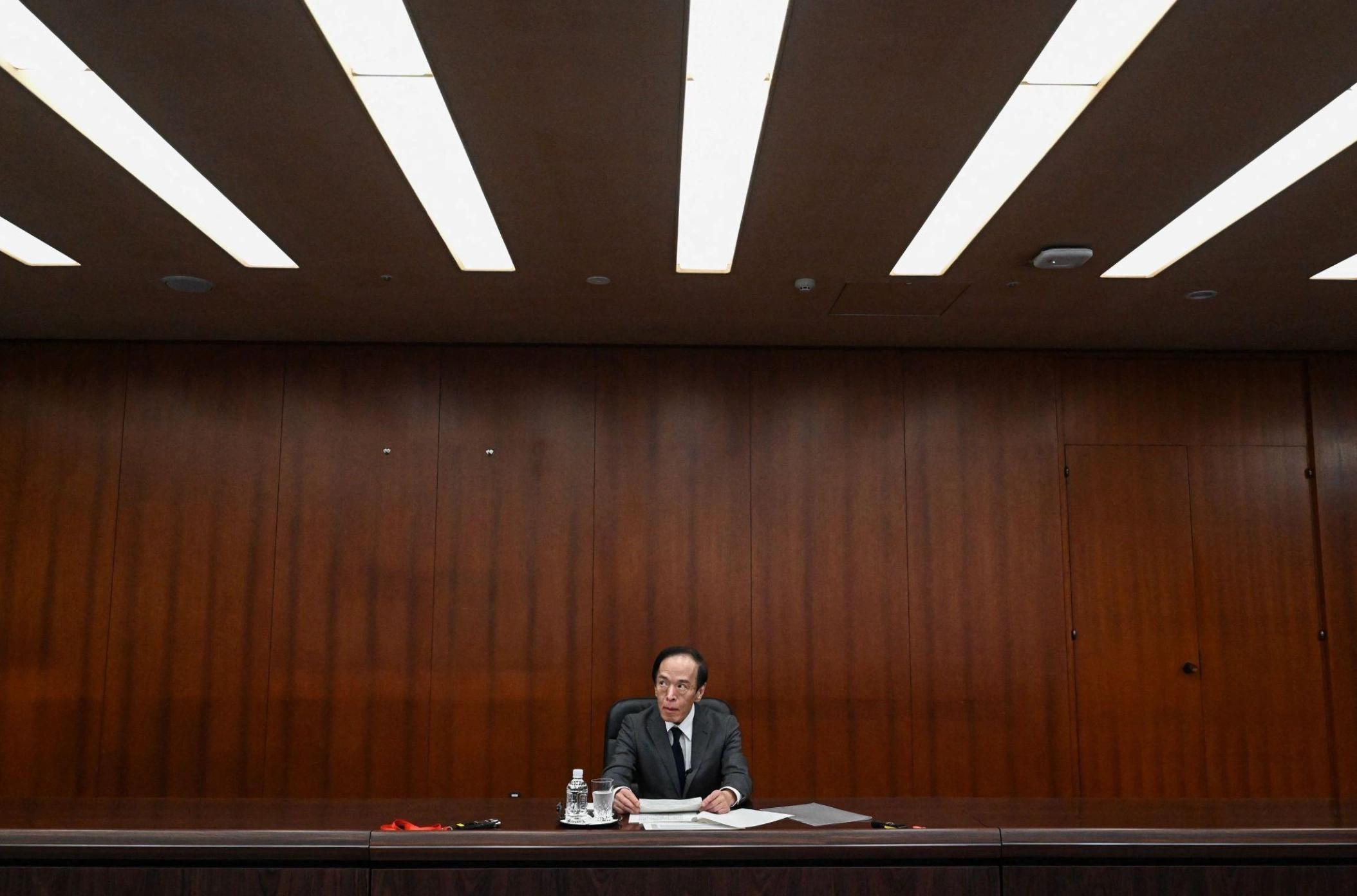
Global central bank policy is entering its most compressed decision window of 2026: the BOJ, ECB, and BOE all announce within roughly 24 hours of each other in December, and tonight's Japan CPI release will be the first hard data point to either validate or undercut the most hawkish of those three outcomes. BOJ Governor Ueda has characterized a December hike as live and conditions as "still accommodative" at 1.25% — and a core CPI print of 2.3% tonight would leave him with little reason to retreat from that posture.
The BOJ's Live December Call
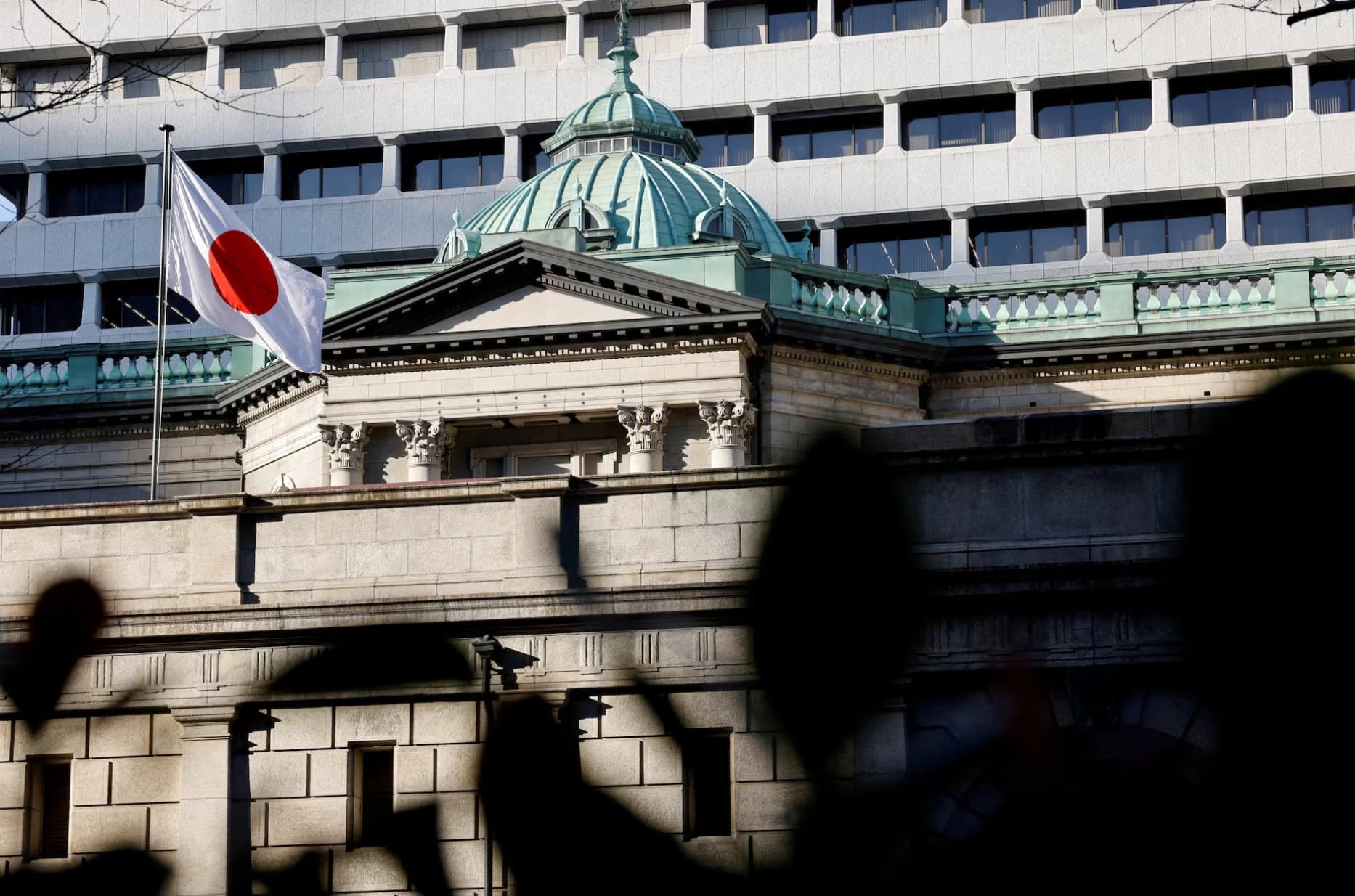
The Bank of Japan held rates at 1.25% at its October 30 meeting, but the communications around that decision were notably unsentimental about the pause. Ueda said explicitly that the BOJ would keep raising rates in line with economic and price developments, and multiple board members have since reinforced that the current rate level remains accommodative relative to underlying inflation dynamics in Japan. The October national CPI — released tonight alongside Philadelphia Fed President Paulson's New York speech — is forecast to show core inflation at 2.3%, up from the prior reading. That would mark the continuation of a trend that has kept Japanese inflation durably above the 2.0% target, a regime shift that looked temporary 18 months ago and now looks structural.
The variable that matters most for the December 17–18 BOJ decision is not the headline CPI figure but the services inflation sub-component. Japan's goods inflation has been elevated partly by yen weakness and import cost pass-through — dynamics that can reverse. Services inflation, by contrast, reflects domestic wage and demand dynamics, and it is services inflation that the BOJ has repeatedly identified as the key criterion for sustained, demand-driven price growth. If tonight's October data shows services CPI continuing to firm alongside the 2.3% core read, the probability of a December hike moves from "in play" to near-consensus. A surprise softening in services, however, would give the doves on the board the data point they need to argue for another hold.
Three Central Banks, One Week
The compressed December calendar deserves more attention than it is getting. The ECB decides on December 17, the BOE also on December 17, and the BOJ on December 17–18 — all within the same 48-hour window, and all within a week of the Fed's December 9 FOMC decision. That sequencing means that whatever the Fed does on December 9, global currency and rate markets will have only eight days to reprice before three additional major central banks announce. For dollar-denominated traders, the cross-current risk is unusually high.
ECB President Christine Lagarde delivered the keynote at the European Banking Congress in Frankfurt this morning, her most policy-relevant public appearance ahead of December 17. Lagarde has signaled she sees "little reason to alter the rate course," a phrase that the market is reading as a hold at the ECB's current 2.50% deposit facility rate. But Bundesbank President Nagel — speaking at 13:00 UTC today — has been considerably more hawkish, calling another ECB hike "highly probable" given energy price pressures and rising second-round effect risks from wages. The Nagel-Lagarde split is not new, but it matters more now: if Nagel's view carries into the December 17 decision, the ECB hike scenario would send the euro sharply higher against a yen that is itself adjusting to a BOJ tightening — a currency cross move that would reverberate through European export stocks and Japanese government bond yields simultaneously.
What Traders Watch Next
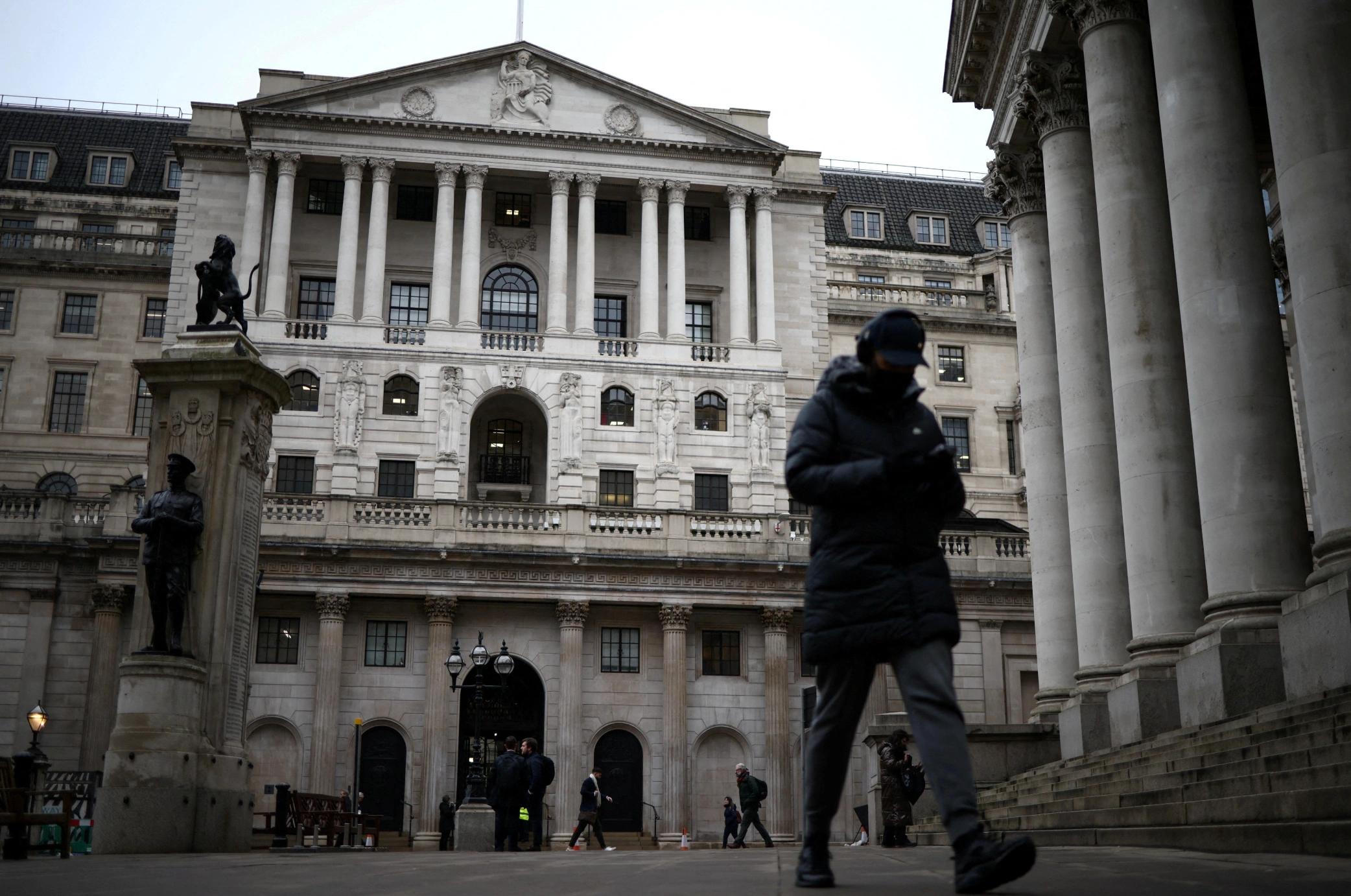
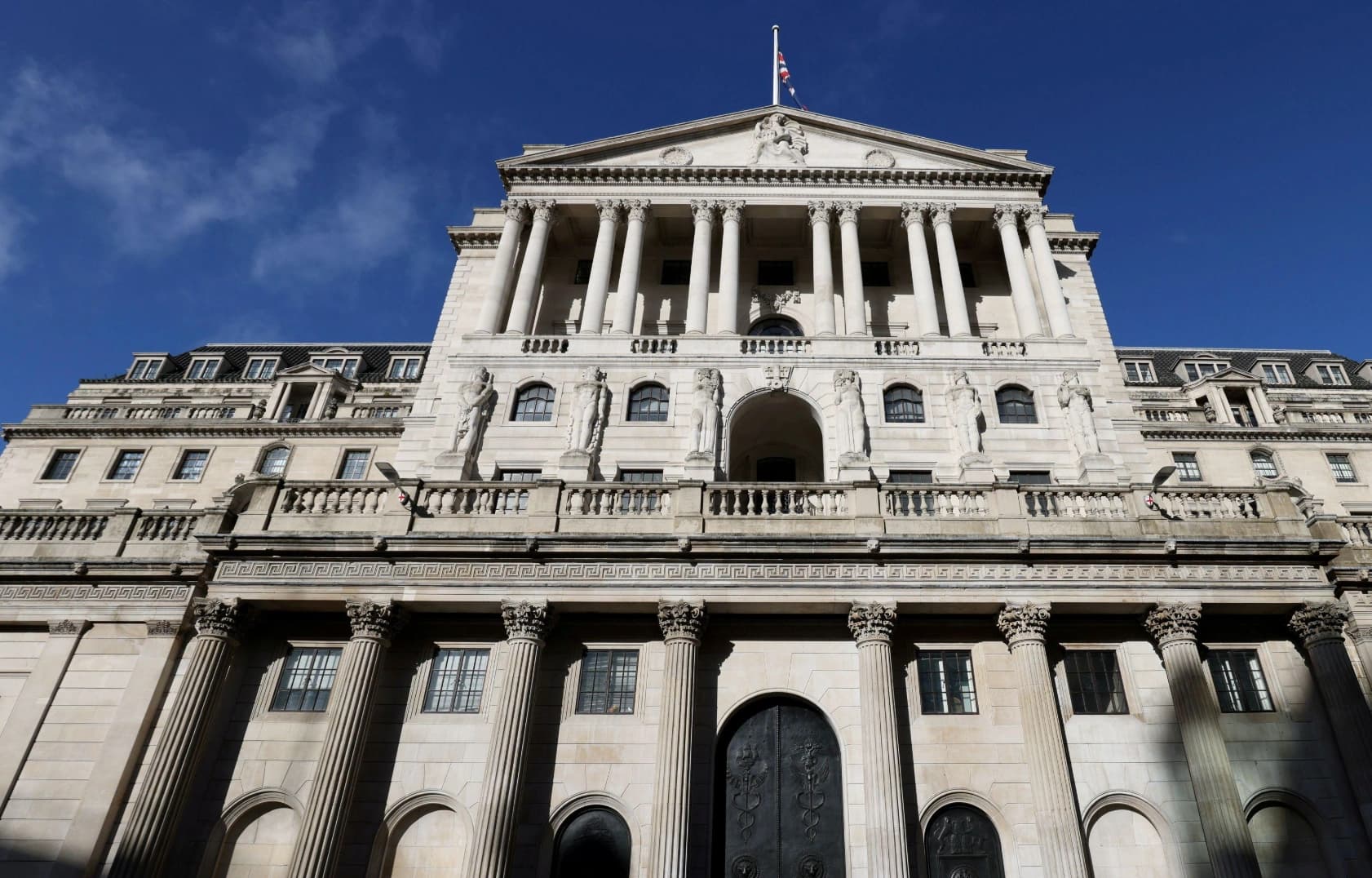
Austan Goolsbee's Thursday comment that "all options are on the table" for the Fed reflects a global monetary reality: 2026 is ending with the world's four largest central banks all in active tightening or hold-at-peak mode simultaneously. The BOE sits at 4.00% with its next decision on December 17, and this morning's UK October retail sales data added a complication — core retail sales MoM came in at -0.7% forecast versus a +0.9% prior, a sharp deterioration that will pressure BOE Governor Bailey to hold even if underlying UK inflation remains sticky. A BOE hold paired with a BOJ hike on the same day would create one of the more unusual divergence trades of the cycle in sterling-yen.
For traders positioned around tonight's Japan CPI, the specific number to watch is 2.3% on the core read and any services inflation print above 2.1%. A core miss below 2.1% would likely see BOJ December hike odds compress and put immediate pressure on yen longs that have been built on the assumption of a December move. The DXY, sitting in a range that reflects current U.S. rate premium, would likely move inversely to any BOJ hawkish surprise — a confirmed 2.3% Japan CPI tonight combined with Paulson endorsing 50 basis points in New York could produce simultaneous dollar strength against the euro and pound while the yen trades differently against each. The key date for the full picture is December 9: whatever the Fed delivers that evening resets the global rate calculus heading into the December 17 triple-announcement window, and positions sized without accounting for that sequencing risk are carrying more calendar exposure than the implied volatility surface currently suggests.
The Weekly Investor
Daily market analysis for active traders. Free.