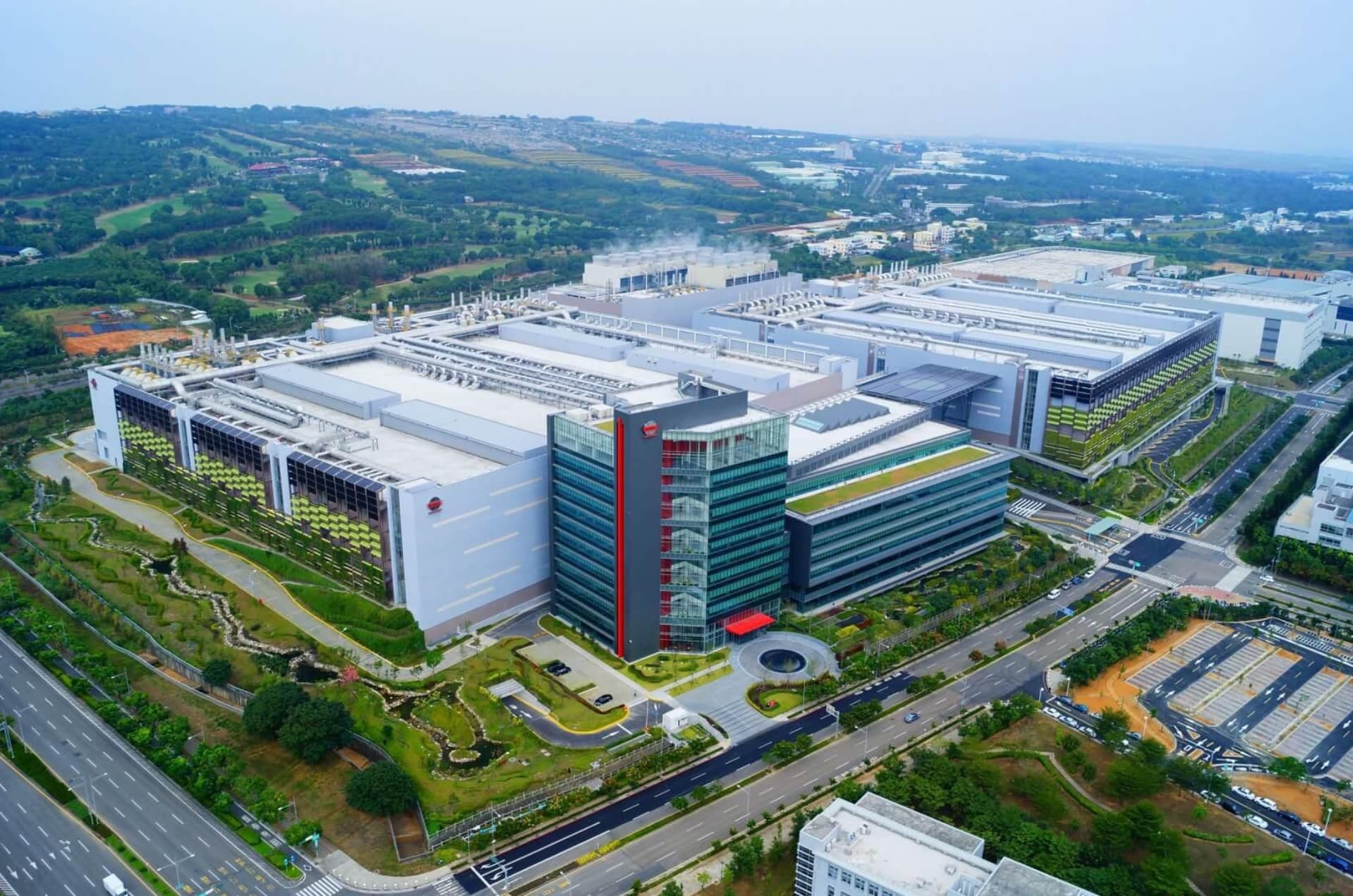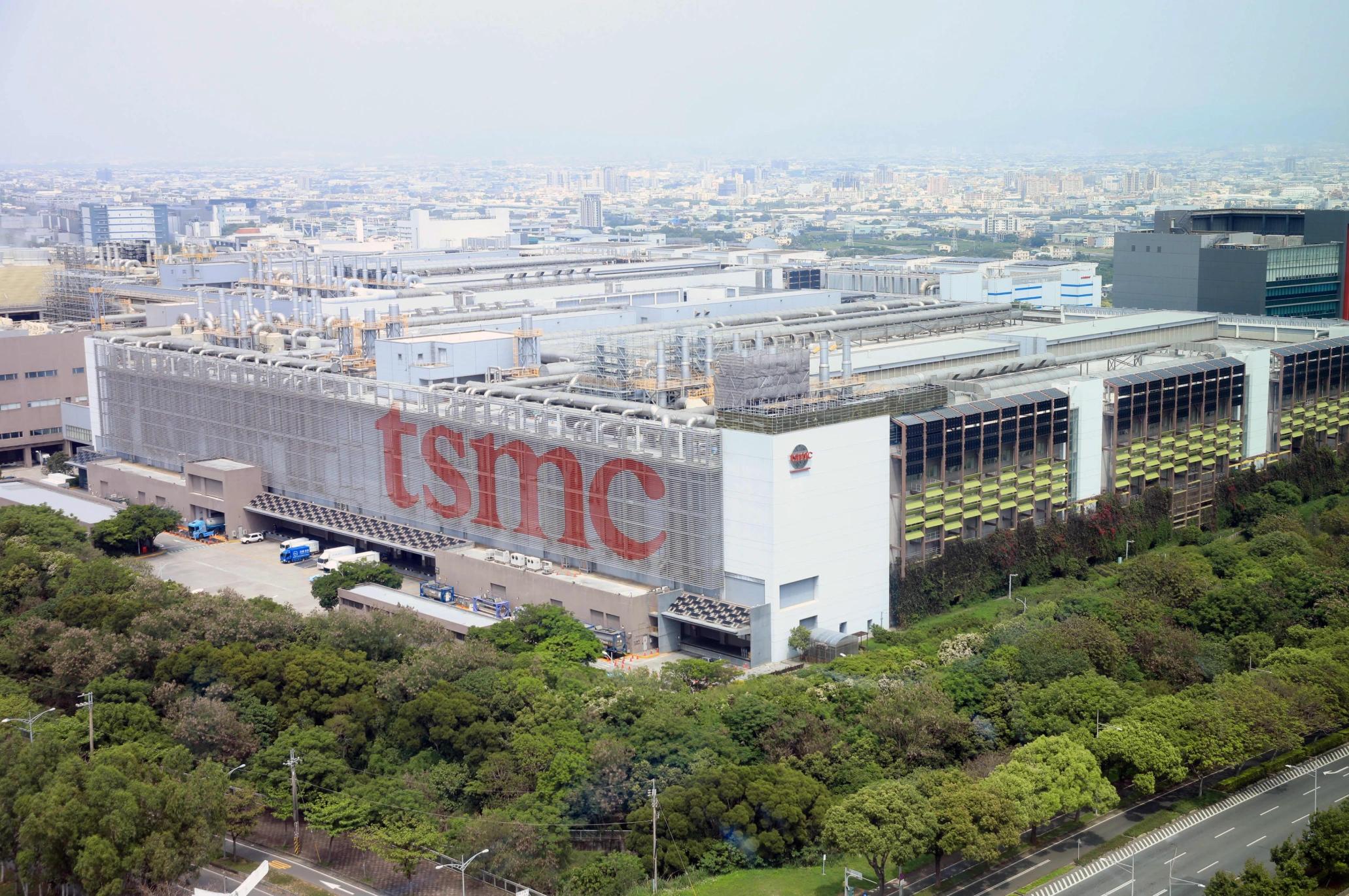
TSMC Cuts China Orders as Chip Crackdown Crushes Semis
TSMC halted advanced chip orders from China on Nov. 19 as new US export rules hit. AMD fell 7.72%, NVDA dropped 3.3%, TSMC lost 3.45% in Taipei.
Key Points
- TSMC suspended advanced chip manufacturing orders from Chinese designers effective November 19, restricting mainland customers to 28nm and 40nm processes under new US Commerce Department rules, triggering a broad semiconductor selloff.
- AMD fell 7.72% to $489.19 — compounding the TSMC-driven sector pressure with a Hunterbrook short-seller disclosure alleging that Chinese server maker Inspur Information continues using newer AMD firmware despite being on the US Entity List.
- NVDA has now fallen 28% since November, closing today at $145.98, and traders should watch the $140 level as the next technical test if the China regulatory overhang persists through next week.
TSMC halted advanced chip orders from Chinese designers effective November 19, 2026 — the same day new US Commerce Department export rules took effect — restricting most mainland customers to 28nm and 40nm processes and triggering the most concentrated semiconductor selloff in months. AMD dropped 7.72% to $489.19. NVDA fell 3.30% to $145.98 and is now down 28% since the start of November. TSMC closed at 2,100 TWD in Taipei, off 3.45%, with its market cap sitting at 1,648 billion TWD and its year-to-date performance now at negative 10.26%.
The November 19 Rule Change That Changed Everything
The US Commerce Department's new export control framework, effective November 19, is the operative catalyst behind today's carnage, and traders who are treating this as a one-day event are misreading the trade. The rules as TSMC has interpreted them — based on guidance reviewed by sources — allow Chinese chip designers to access only 28nm and 40nm manufacturing processes at TSMC's fabs. For context, cutting-edge logic production currently operates at 2nm and 3nm. The 28nm node is a generation of technology that was leading-edge in 2011. Restricting Chinese access to that threshold doesn't just slow China's AI hardware ambitions — it structurally severs the supply chain relationships that TSMC and its peers have spent a decade building.
The scope of TSMC's compliance review goes beyond simply blocking new orders. The company is now actively reviewing customer locations, parent companies, major shareholders, packaging partners, and shipping routes for all orders. That is a full supply chain audit in real time, and it creates uncertainty around the revenue classification of existing customer relationships that the market has not yet fully priced. Samsung Electronics, the world's other dominant semiconductor manufacturer, has also halted certain shipments to Chinese customers. When the two largest logic chipmakers on earth simultaneously cut off a major customer base in the same week, the downstream effect is not a single-session story. It is a quarter-long repricing event.
Mainland Chinese firms are entirely absent from the US government's current roster of authorized chip designers, a list that includes Apple, MediaTek, Nvidia, Realtek, and AMD. The practical implication: any TSMC customer not on that roster now faces order suspension, review, or cancellation. That is a sweeping reduction in the addressable revenue base for the entire advanced semiconductor supply chain, from TSMC itself through ASML, which fell 2.8% today, down to DRAM suppliers like Micron, which dropped 2.1%.
AMD's Compounding Problem
If TSMC's situation is a macro trade, AMD's Thursday is both macro and company-specific, which makes it more dangerous for holders. The 7.72% single-session decline to $489.19 — followed by an additional 2.6% drop in after-hours — combines two distinct catalysts that reinforce each other in the worst possible way. The first is straightforward sector contamination: any chip company with Chinese revenue exposure was sold Thursday, and AMD has meaningful exposure. The second is a targeted short-seller disclosure that introduces regulatory risk with a timing that is very hard to dismiss.
Hunterbrook, a short-seller research firm, disclosed a bearish position in AMD and alleged that Inspur Information — a Chinese server manufacturer that remains on the US Entity List — continues to use newer AMD firmware in its products. Hunterbrook explicitly acknowledged that its evidence does not prove AMD violated US export control law. AMD responded that the claims misrepresent its practices and that it complies fully with applicable regulations. Both of those statements can be simultaneously true, and that ambiguity is exactly what creates overhang. An active DOJ antitrust investigation into Nvidia is already in subpoena phase. The last thing AMD needed on the worst sector day in months is a short-seller filing that puts export compliance headlines next to its ticker, regardless of the underlying legal merits.
The contradiction embedded in the broader regulatory picture adds another layer of complexity. US authorities approved licenses covering more than 879,000 Nvidia and AMD AI processors for delivery to China between December 2025 and May 2026. Crucially, approval does not mean the chips were shipped. That distinction — between licensed and delivered — is where legal exposure lives, and it is precisely the ambiguity that the Hunterbrook filing exploits. Traders holding AMD into next week need to be watching for any formal DOJ or Commerce Department request for information directed at AMD specifically. That would be a materially different event from a short-seller's research note.
Where the Tape Goes From Here
The forward-looking question for semiconductor traders is whether Thursday's selloff represents full pricing of the November 19 rule change or the beginning of a multi-week repricing as the compliance implications become clearer. The historical precedent from previous China chip restriction cycles — the October 2022 and October 2023 export control expansions — suggests the initial selloff captures roughly 60% to 70% of the total damage in session one, with additional pressure accumulating over the following two to three weeks as specific customer relationships and revenue impacts become reportable facts rather than estimates.
NVDA at $145.98 is down 28% since November began, and the $140 level is the next logical technical test. That price represents the lower boundary of the consolidation range NVDA held for most of August and September before the November break. A close below $140 would invalidate that former support structure entirely and open the chart to a retest of the $125 area, which corresponds to pre-earnings levels from Q2. For AMD, the $480 level — roughly 2% below Thursday's close — is the next line of defense. AMD has not closed below $480 since August 7, and a breach would put the $450 area in play. ASML reports its next earnings update in January 2026; between now and then, its share price will be driven almost entirely by news flow on TSMC order volumes and the scope of the Chinese customer review. Watch for any TSMC investor day guidance revisions or interim press releases before year-end — those will be the clearest signal of how deep the revenue impact actually runs.
The Weekly Investor
Daily market analysis for active traders. Free.