Nasdaq Futures Crater 2.3%: Chips, Tariffs, Rate Hike
Nasdaq 100 futures drop 2.3% pre-open as chip stocks collapse, tariff fears resurface, and Fed rate hike odds hit 97% for December.
Key Points
- Nasdaq 100 futures are down 2.3% to the 7,103 area as of 5–6 AM ET, with Nvidia off 4.9% and Micron, AMD, and Marvell each down more than 5% in premarket trading.
- A double-barreled hit of fresh tariff headlines and an AI/semiconductor rout bleeding in from Asian markets is driving the move, compounded by Fed funds futures now pricing a 97% probability of a December rate hike.
- Watch the VIX volatility trigger at 30 — with the fear gauge already probing 29.65 premarket, a breach there in a holiday-thinned session could trigger dealer-driven forced selling that accelerates losses well beyond current futures levels.
Nasdaq 100 futures are down 584 points — 2.3% — as of the pre-open Wednesday, putting the index on course to open near 7,103 and extending what is already shaping up as the worst November for US equities since 2008. Chip stocks are leading the damage: Nvidia is off 4.9%, while Micron Technology, AMD, and Marvell Technology have each shed more than 5% before a single share trades on-exchange. With US markets closed Thursday for Thanksgiving, today is the last full session of the week — and the liquidity to absorb this kind of selling simply isn't there.
The Chips Are Down — Again
The proximate cause is familiar: tariff headlines resurfaced overnight, reopening wounds that had only just begun to heal after Nvidia CEO Jensen Huang's reinstatement earlier this month triggered a monster one-day rally. That Monday bounce — the S&P 500's biggest single-session gain since April 2025 — is now fully unwound. What made it look like a turning point has instead become a textbook bull trap, and the semiconductor complex is bearing the brunt.
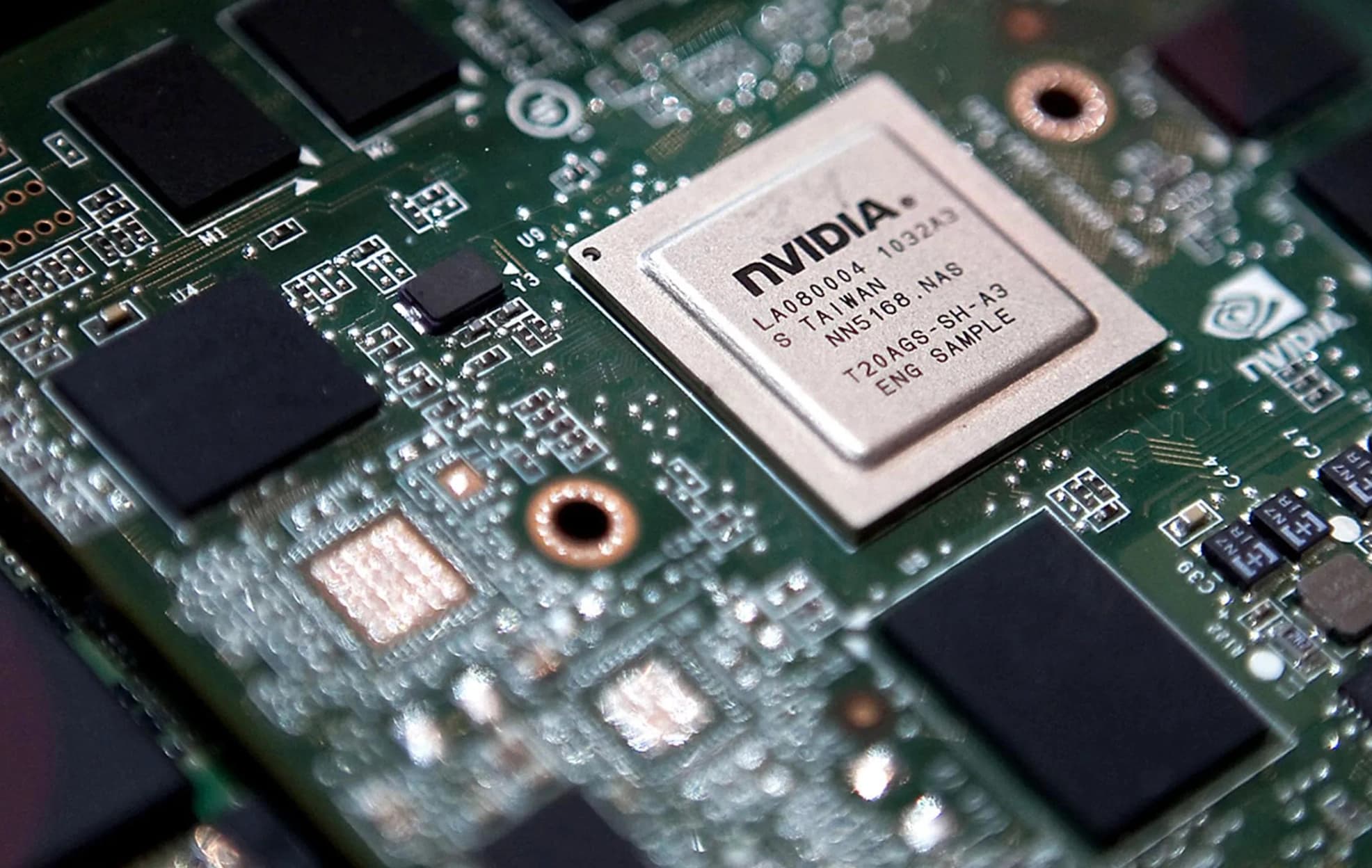
Nvidia's 4.9% premarket slide is the headline number, but the breadth of damage across the sector is arguably more telling. Micron, AMD, and Marvell dropping in lockstep above 5% each signals this isn't position-specific — it's a sector repricing. The catalyst is a combination of renewed fears that US export restrictions on advanced chips will be tightened further under fresh tariff directives, and a continued bleed-through from Asian markets, where chip stocks in Seoul and Tokyo sold off sharply overnight. When the damage starts in Asia and arrives in US premarket already accelerating, that's not noise — that's a trend with momentum behind it.
Hewlett Packard Enterprise added to the gloom with an 11% premarket drop despite posting record revenue. The culprit: memory shortages threatening 2027 margins, a warning that reframes the entire supply chain narrative. If a company can print record top-line numbers and still get punished 11% for what's coming next, that's the market telling you current earnings are not the story — forward guidance is. For semiconductor investors, HPE's print is a flashing amber light on the demand side of the equation.
The Fed Has Cornered Itself — And Traders Know It
Layered beneath the tariff and chip story is a macro backdrop that has quietly become the most dangerous variable in the room. According to live market pricing via Yahoo Finance, Fed funds futures traders are now placing a 97% probability on a rate hike at the December 9th FOMC meeting — with a 63% chance of a second hike following in January. That is not a "maybe." That is as close to a done deal as fixed income markets ever signal in advance.
The implication for equities is severe. The post-pandemic playbook assumed that once inflation cracked, the Fed would pivot — and that pivot would be the catalyst for the next leg higher in growth stocks. That thesis is dead. With PCE inflation data due today, any print that comes in hot will cement the December hike and put the January one on the front page. Even a data point that lands in line with expectations may not be enough to shift the trajectory at this point — the Fed has communicated its direction, the market has priced it, and the only surprise left would be a dramatic undershoot that nobody is forecasting.
Consumer confidence adds a confounding layer. The November reading jumped from 91.9 to 103.3 — the highest print since January 2025 — a sign that household sentiment has recovered meaningfully even as financial markets deteriorate. The disconnect is jarring and speaks to a bifurcated economy where Main Street feels better while Wall Street reprices for a tighter-for-longer world. For equity traders, that soft-data beat is cold comfort when the hard numbers — fed funds pricing, VIX levels, futures gaps — are all pointing the same direction.
One Trigger Level That Changes Everything Today
The VIX closed Tuesday at 26.36. It was probing 29.65 as of pre-open Wednesday — an 11.4% single-session jump before markets have even opened. Nasdaq-specific volatility is holding above 36, creating a 10-point spread between broad market fear and tech-sector fear. That divergence is the tell: the stress is concentrated in technology, not diffused across the index. When sector vol runs that far above index vol, it means the correlation trade hasn't fully kicked in yet. If it does, the broad market selloff accelerates sharply.
The specific number every options trader is watching today is 30 on the VIX. Market structure data flags a volatility trigger at that level, with dealer positioning already in Negative-Gamma Dominant regime — a dealer control score of 4 out of 10 — meaning market makers are short gamma and will be forced to sell into declines rather than absorb them. At 29.65 premarket, the trigger is within a single bad data print of being hit. In a holiday-thinned session with Thanksgiving closing markets tomorrow, there is no second chance to reposition. Volume will be light, bid-ask spreads will be wide, and any forced liquidation will move prices farther and faster than the same flow would on a normal trading day.
Polymarket traders have already adjusted for this setup: only 38% probability of a higher open is priced into the "S&P 500 Up or Down?" contract. The smart money isn't expecting a rescue. The S&P 500 futures level to watch on the downside is 7,050 — a break there in cash trading would put the index down more than 2% on the session and open the door to a test of October's range lows. On the upside, any PCE print that materially undershots consensus could spark a short-covering rally back toward 7,200, but with 97% of rate traders already positioned for a hike, the bar for a dovish surprise is extraordinarily high. The December 9th Fed decision remains the week's true north — today's session is prologue.
The Weekly Investor
Daily market analysis for active traders. Free.