Energy Up 50% YTD; XLK, Semis Crushed by CPI Data
Hot CPI sends XLK down 1.40% and semis down 3.98% premarket. Energy hits a rare 50% YTD milestone. Sector ETF rotation is in full force Oct. 15.
Key Points
- The energy sector hit a 50% year-to-date gain in just 196 trading days on October 15 — the fifth-fastest ascent to that milestone since 1990, per Bespoke Investment Group.
- September CPI printing at 3.7% is forcing a textbook risk-off rotation: XLK fell 1.40% Wednesday and semiconductors dropped a further 3.98% in Thursday premarket, while XLV gained 1.56% and is up an additional 2.53% premarket.
- SPY at $769.60 trades 12.7% above its GF Value of $682.96, meaning the broader market has limited buffer if the rotation from growth to defensives deepens.
Energy's XLE just hit 50% year-to-date in 196 trading days — the fifth-fastest run to that milestone since 1990 — while the tech sector is getting dismantled in real time by a 3.7% CPI print that has traders dumping growth and buying anything with a dividend and a pulse. Eight of 11 S&P sectors fell on Wednesday. Thursday's premarket data is worse: semiconductors are off 3.98%, software down 3.00%, and QQQ is sliding 1.17% before the open.
The Damage in Tech
Wednesday's sector scorecard told a clean story. Technology's XLK dropped 1.40%, the worst performer among all 11 S&P sectors. Communication services fell 1.01%, consumer discretionary lost 1.06%, and financials gave back 1.19%. Every sector with meaningful duration sensitivity or growth-premium valuation got hit. The selling accelerated into Thursday premarket, where semiconductors took the hardest punch — down 3.98%, a number that reflects both the direct rate sensitivity of chip valuations and the secondary concern that AI infrastructure spending could slow if corporate borrowing costs stay elevated.
QQQ, the $250 billion-plus proxy for large-cap tech, is down 1.17% in Thursday premarket — a meaningful move for a fund of that size and liquidity. For traders who use QQQ as a market barometer rather than a pure tech vehicle, the premarket signal is clear: the CPI print has not been digested, and the selling pressure that began Wednesday afternoon did not exhaust itself overnight. The software sector's 3.00% premarket decline compounds the picture — these are not small, isolated moves in fringe names. This is broad-based repricing of the growth premium that the market has been willing to pay for the past several quarters.
Energy's Historic Run and the Defensive Bid
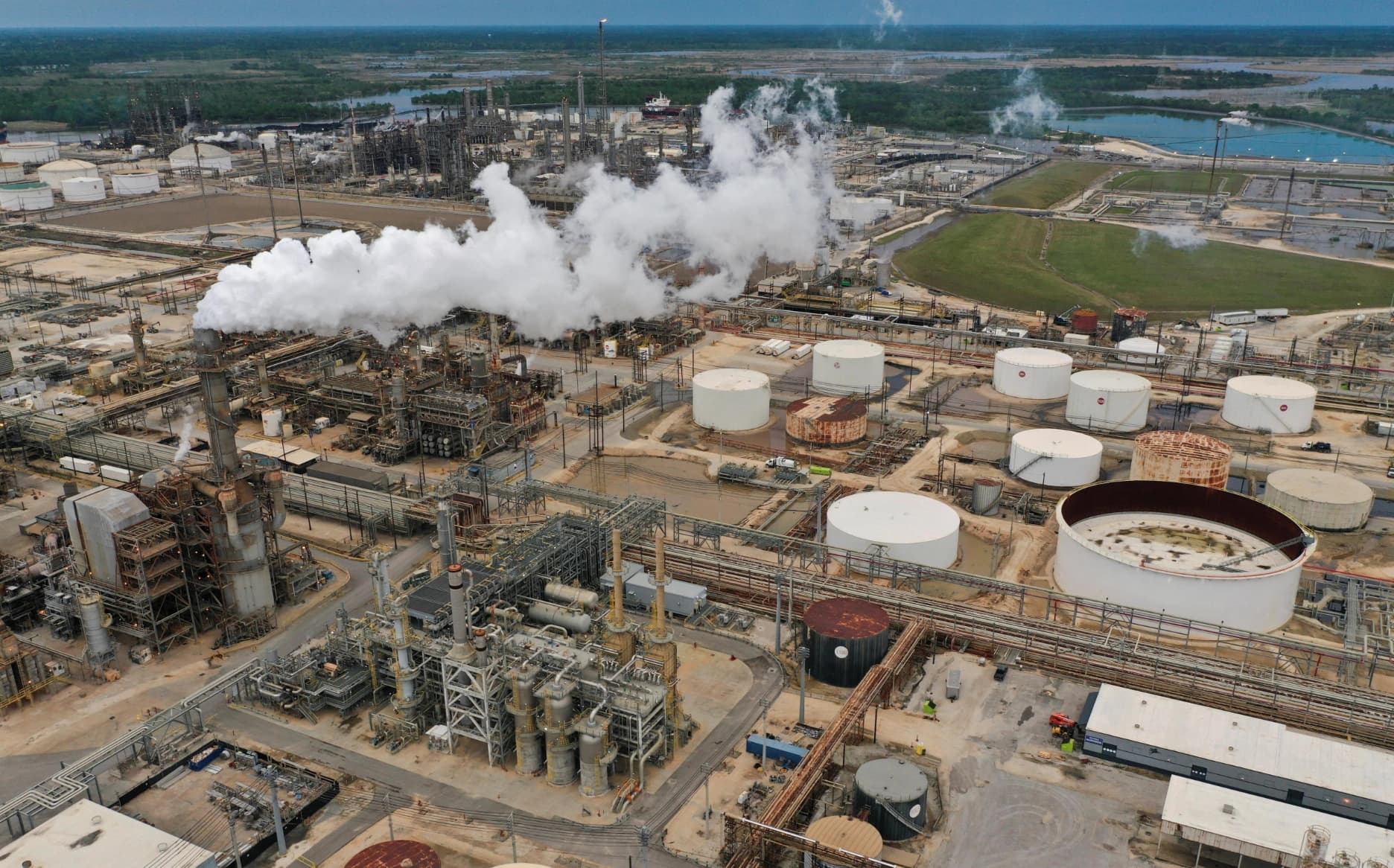
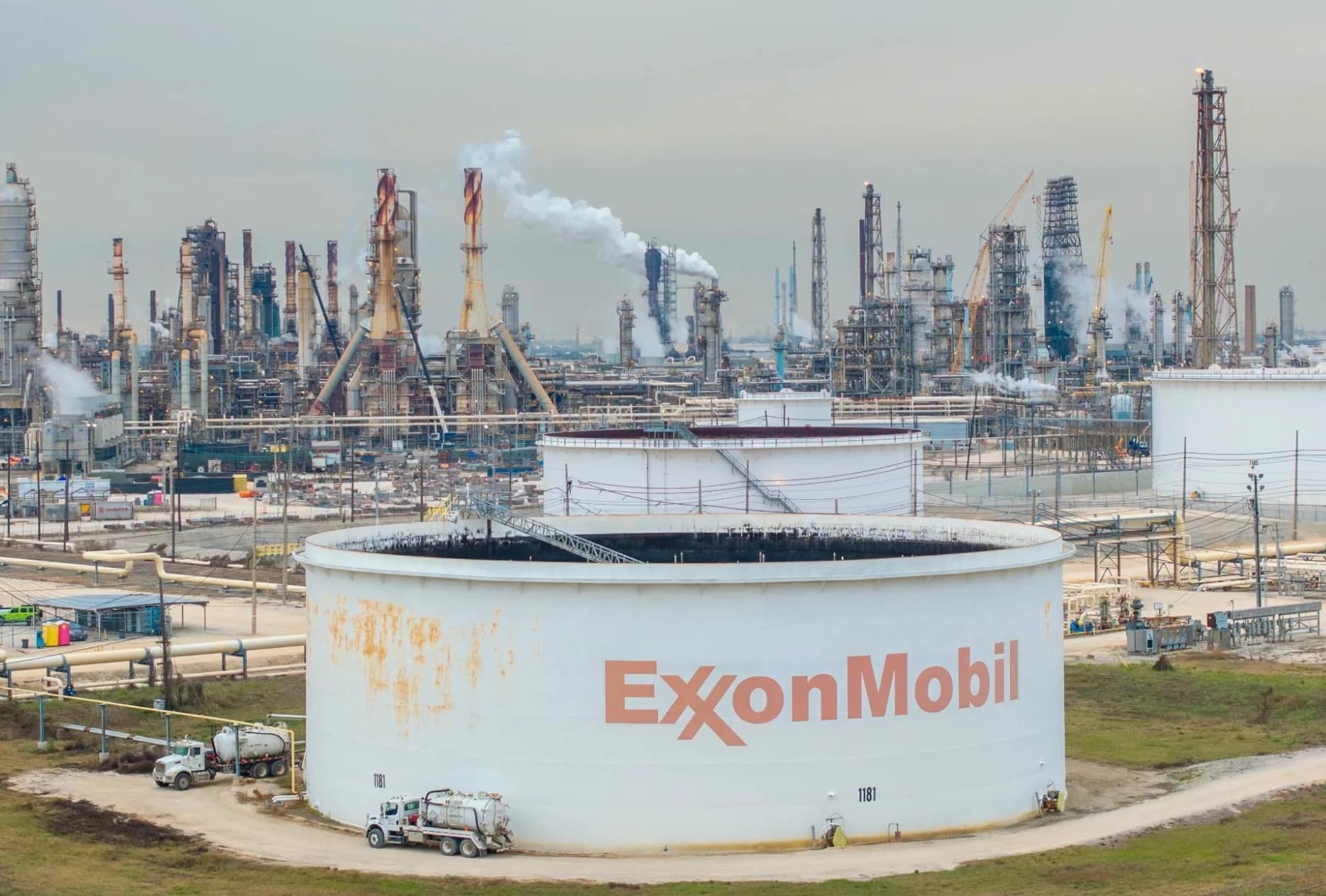
While tech burns, XLE is quietly achieving something statistically rare. A 50% year-to-date gain in 196 trading days is not a normal outcome for a sector as mature and capital-intensive as energy. According to Bespoke Investment Group, only four prior instances since 1990 have seen the energy sector reach that milestone faster. The catalysts are not obscure: oil supply discipline from OPEC-adjacent producers, continued geopolitical risk premium embedded in crude prices, and a domestic production environment that has kept margins wide even as volumes plateaued. XLE closed Wednesday at $67.30, up a modest 0.14% on the day — the gain was already baked in before Thursday's session opened.
The defensive bid is equally textbook. Health care's XLV surged 1.56% on Wednesday, the best single-day performance of any sector, and added another 2.53% in Thursday premarket — making it the standout in a chaotic tape. XLP gained 0.62% Wednesday and is up a further 1.44% premarket. These are not glamorous trades. They are capital preservation trades, and the fact that money is flowing into consumer staples and health care at this velocity tells you that institutional allocators are not treating Thursday as a buy-the-dip moment — they are rotating defensively into positions they expect to hold through a prolonged period of sticky inflation.
The iShares U.S. Real Estate ETF IYR is up 2.04% Thursday premarket, which looks paradoxical given that rate-sensitive real estate typically struggles when CPI surprises to the upside. The explanation is likely a technical one: XLRE had already sold off 1.13% on Wednesday, and Thursday's premarket move reflects bargain-hunting in a beaten-down sector rather than a genuine macro re-rating. Traders should be cautious about reading the IYR premarket move as a signal — if the 10-year yield spikes further in response to Thursday's CPI print, real estate's premarket bounce will fade fast.
What Traders Watch Next
SPY's valuation creates an uncomfortable backdrop for the rotation trade. At $769.60, SPY is trading approximately 12.7% above its GF Value of $682.96 — a moderate overvaluation signal that becomes more relevant when the macro environment shifts against growth assets. When the risk-free rate rises and the growth premium compresses simultaneously, the market's buffer against a correction narrows. A 12.7% overvaluation gap is not a crash signal, but it does mean that a genuine sustained rotation — not just a single-session CPI reaction — could see SPY give back meaningful ground before it finds fundamental support.
The forward-looking trade structure for sector ETF investors is straightforward but not simple to execute. The energy sector's 50% YTD milestone raises the question of whether XLE is now priced for perfection — a crowded trade at an historic high-water mark is vulnerable to reversal on any softening of oil supply discipline or a demand shock from a global slowdown. Health care's XLV, by contrast, appears to have room to run in a sticky-inflation environment, particularly if Thursday's full session confirms the premarket bid with volume. The next hard catalyst is the Fed's next scheduled commentary following the CPI print — any explicit acknowledgment that rate cuts are off the table through Q1 2027 will accelerate the rotation into defensives and extend the bleeding in XLK and QQQ. Watch the $193.54 closing level in XLK as the immediate line in the sand; a close below $191 on Thursday would confirm the breakdown and likely trigger a fresh round of sector ETF rebalancing before the week ends.
The Weekly Investor
Daily market analysis for active traders. Free.