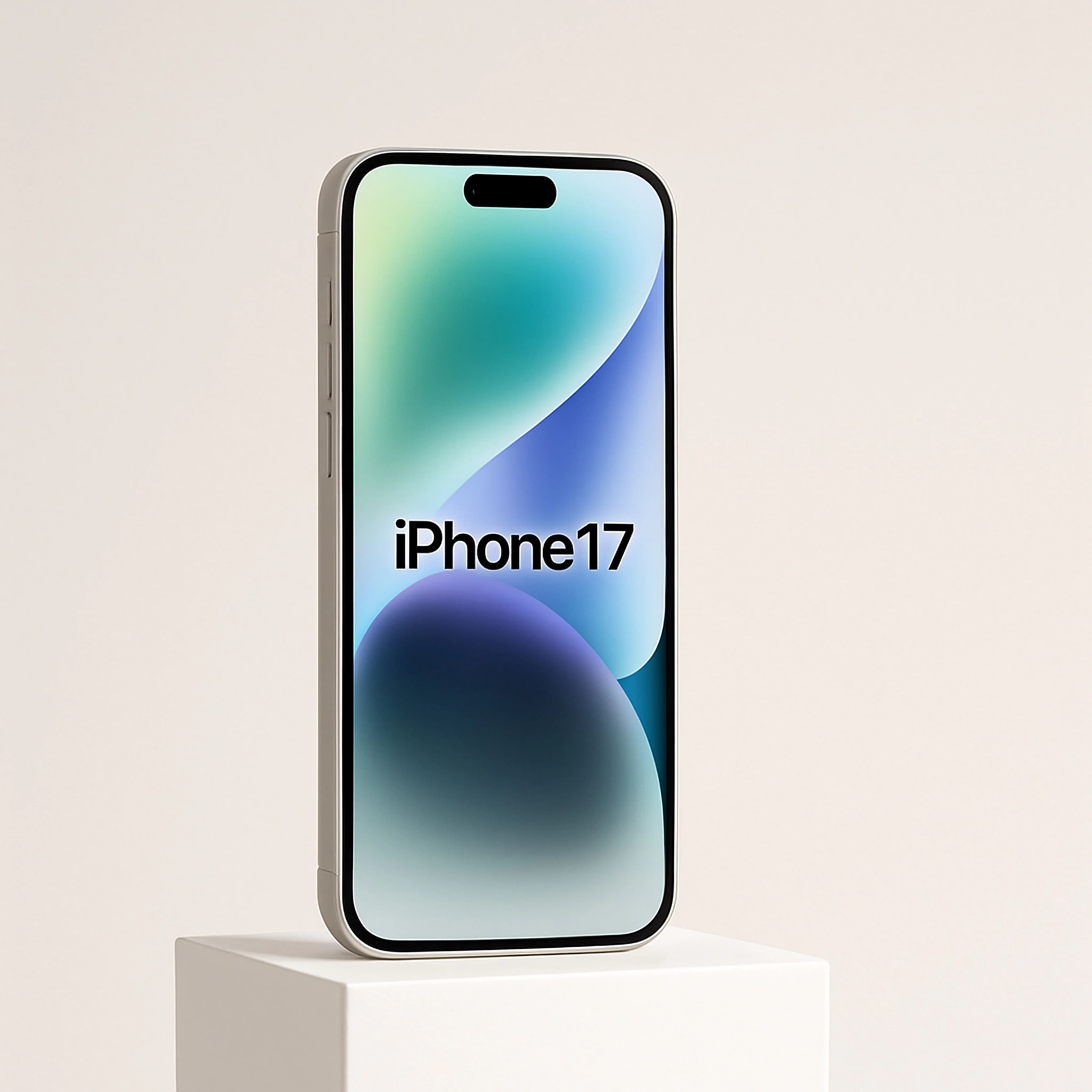
Apple's HomePad Drops Today: What Traders Watch
Apple's "Welcome Home" event is live October 13. Here's what the HomePad, new Apple TV, and HomePod mini mean for AAPL and the AI home hardware trade.
Key Points
- Apple's "Welcome Home" event launches today, October 13, with a long-anticipated touchscreen home hub — internally dubbed the HomePad — as the headline product alongside a new Apple TV 4K and HomePod mini refresh.
- The HomePad represents Apple's first serious bid for the smart home control layer, a market Amazon and Google have owned for a decade, and its success or failure hinges on whether Siri's AI integration is meaningfully differentiated.
- Traders should watch for third-party developer commitments and any disclosed pricing — a HomePad above $299 risks a soft launch reaction given current consumer electronics price sensitivity.
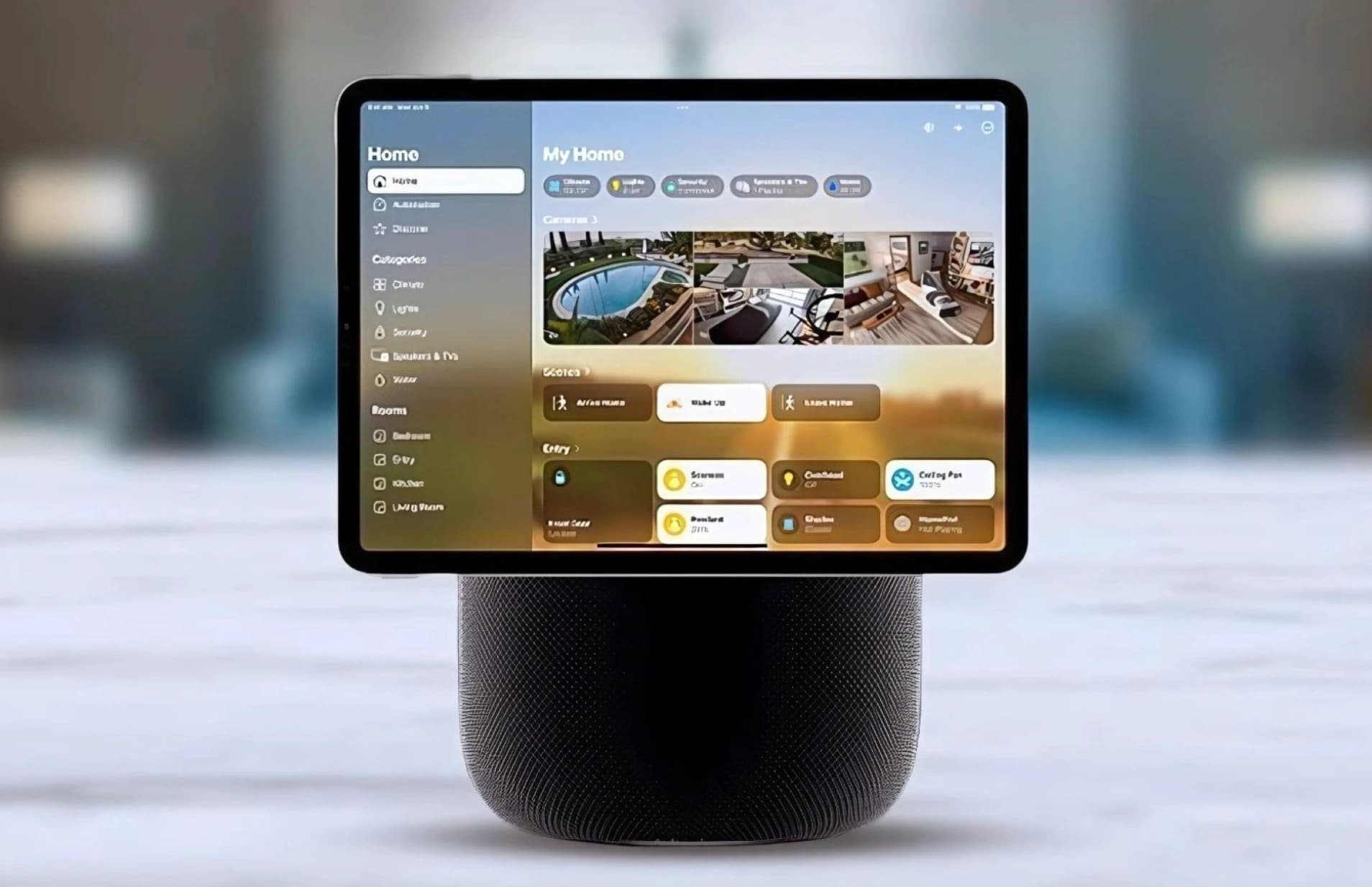
Apple is moving on the smart home today, and the product it's been keeping under wraps for three years is finally on the table. The "Welcome Home" event — structured as a pre-recorded video drop rather than a live keynote, with a simultaneous influencer showcase at Apple's Tribeca building in New York at 9 AM Eastern — centers on a touchscreen home hub the rumor ecosystem has been calling the HomePad. This is not an iPhone moment, but for a company that has spent two years repositioning Siri as an AI-first assistant, it is the first real test of whether that repositioning has commercial teeth.
The Hardware Bet
The HomePad is the product Apple has owed its ecosystem for years. Amazon's Echo Show and Google's Nest Hub have occupied the kitchen counter and the living room shelf since the mid-2010s, and Apple — despite selling hundreds of millions of iPhones and owning the most profitable consumer hardware business on Earth — has had no answer for the ambient, always-on home control interface. That gap ends today, at least on paper. The device is expected to feature a touchscreen display, deep HomeKit integration, and a version of Siri rebuilt on Apple Intelligence infrastructure, the company's on-device and server-side AI framework that began rolling out with iOS 18 in late 2024 and has been expanding ever since.
The supporting cast matters too. The new Apple TV 4K refresh and HomePod mini update are expected to arrive with more capable silicon — almost certainly A-series chips capable of running local inference for Siri AI features — which transforms them from peripheral audio and streaming devices into edge compute nodes within a broader Apple home mesh. That architecture is deliberate. Apple doesn't sell a smart home hub; it sells an ecosystem where every device is a smart home hub. The HomePad is the display layer; the updated Apple TV and HomePod mini are the distributed intelligence underneath it.
The AI Differentiation Question
The central question for traders is not whether Apple can sell a touchscreen home device. Apple can sell almost anything into its installed base of approximately 2.2 billion active devices globally. The question is whether the AI integration is compelling enough to pull non-Apple households in and to justify the inevitable premium price point — and whether Siri, after years of being the butt of voice assistant jokes, is genuinely improved enough to compete with Amazon Alexa and Google Assistant on their home turf.
Apple Intelligence, which underpins the new Siri, uses a hybrid architecture: lightweight models run on-device for speed and privacy, with more complex requests routed to Apple's Private Cloud Compute servers. That framework is architecturally sound for a home hub — low-latency local responses for timers, lights, and music; cloud-routed responses for complex queries and cross-device orchestration. But architecture is not a demo. The Tribeca influencer showcase, where creators including Marques Brownlee are getting hands-on time at 9 AM Eastern today, will be the first unfiltered signal on whether the real-world Siri experience matches the marketing. His and other creators' immediate reactions will move faster than any analyst note.
Pricing is the other variable the product video won't linger on. The HomePad is widely expected to land somewhere between $249 and $349. At $249, it is competitive with the Amazon Echo Show 15. At $349, it is asking consumers to pay a 40% premium over Amazon's flagship show device for the Apple ecosystem benefit — a bet that works in iPhone and Mac but has historically been harder to win in the smart home category where Amazon and Google have spent a decade subsidizing hardware to capture recurring services revenue. Apple does not subsidize hardware. That discipline has made the company the most profitable consumer electronics company in history, but it is a structural disadvantage in a category where the unit is effectively a loss leader for platform lock-in.
What AAPL Traders Watch Today
The immediate price reaction in AAPL will be a function of two things: whether the HomePad impresses on AI capability and whether there is any surprise product or pricing that was not in the pre-event rumor consensus. Markets hate a non-surprise, and the Apple rumor ecosystem — anchored by analysts like Ming-Chi Kuo and reporters at Bloomberg and The Verge — has been extraordinarily accurate in its HomePad reporting. If every detail of today's release matches what has already been reported, the "sell the news" dynamic is real. AAPL has a recent pattern of fading on event days when no product exceeds expectations; the stock closed at approximately $229 heading into today's session based on the most recent available data, and a release that lands exactly on consensus may push it lower into the afternoon.
The bull case is a product that surprises on price — a HomePad that comes in at $229 or below would be a genuine shock to the market and would likely drive a meaningful intraday move higher — or an AI demo that visibly outperforms Amazon and Google's comparable devices in real-time during the Tribeca showcase. Either outcome would validate the Apple Intelligence investment thesis that has been an underlying current in AAPL's price action for the past 18 months. The bear case is a $329 device with a Siri experience that reviewers describe as incremental.
Longer-term, the structural trade here is Apple's platform expansion into the home as a recurring services revenue driver. Every HomePad sold is a potential anchor point for iCloud+, Apple Music, Apple TV+, and future home monitoring services that do not yet exist. The hardware margin on a $299 device is modest by Apple standards; the services attach rate over a four-year device lifecycle is where the financial model works. Traders playing AAPL on a multi-month horizon should watch the developer ecosystem response — specifically, how quickly third-party HomeKit and Matter device makers commit to deep HomePad integration — as the leading indicator of whether this platform bet compounds or stalls. The next concrete data point arrives at today's 9 AM Eastern Tribeca event. If the influencer reaction is uniformly positive by noon, the afternoon session becomes a buy-the-reaction trade.
The Weekly Investor
Daily market analysis for active traders. Free.