Amazon AWS Hits $184B Run Rate, Stock Falls 11%
Amazon Q3 2026 beat on revenue and operating income, but an EPS miss and $75.9B in quarterly capex sent shares down 11% after hours. AWS is the story.
Key Points
- Amazon's AWS posted $46 billion in Q3 revenue — a 39.3% year-over-year surge to a $184 billion annualized run rate — but the company missed EPS consensus by roughly 4%, sending shares down 11% after hours.
- A record $75.9 billion in quarterly capital expenditure, concentrated in AWS and AI infrastructure, is the single line item that spooked the market despite record operating margins of 13.9%.
- Traders should watch Q4 free cash flow, not operating income — CEO Andy Jassy's forecast of AWS growth above 40% in 2027–2028 is only credible if capex spending begins to yield measurable FCF inflection.
Amazon reported $201.9 billion in Q3 2026 revenue, up 12% year-over-year, and $28.1 billion in operating income at a record 13.9% margin — and still dropped 11% after hours. The culprit: $1.89 in EPS against a consensus of $1.96 to $1.97, a roughly 4% miss that the market treated as disqualifying given the $75.9 billion quarterly capex bill sitting underneath those headline numbers. AWS grew 39.3% and is now running at a $184 billion annual pace. The stock market didn't care.
AWS Is Winning. The Math Is Complicated.
Let's establish what is unambiguously true about Amazon's Q3: AWS is not slowing down, it is accelerating. The 39.3% year-over-year growth rate for Q3 is the fastest AWS has posted in years, driven by triple-digit growth in AI services — a figure that implies AI workloads on AWS are more than doubling on an annual basis. The $578 billion backlog that Andy Jassy cited on the earnings call is not a soft order book; it represents committed multi-year contracts from enterprise customers who have chosen AWS as their primary AI infrastructure platform. That number alone dwarfs the entire annual revenue of most Fortune 500 companies.
CEO Jassy's forward projection — AWS growing above 40% in 2027 and 2028, with Amazon reaching trillion-dollar revenue within five to ten years — is ambitious but not obviously wrong given the trajectory. South Korea's October semiconductor export data, which showed a 259% year-over-year jump in chip shipments driven by AI demand, independently corroborates the underlying demand environment that AWS is selling into. The $5 trillion AI stock selloff since early October has been a valuation and sentiment event, not a demand event. AWS's Q3 numbers make that distinction clearly.
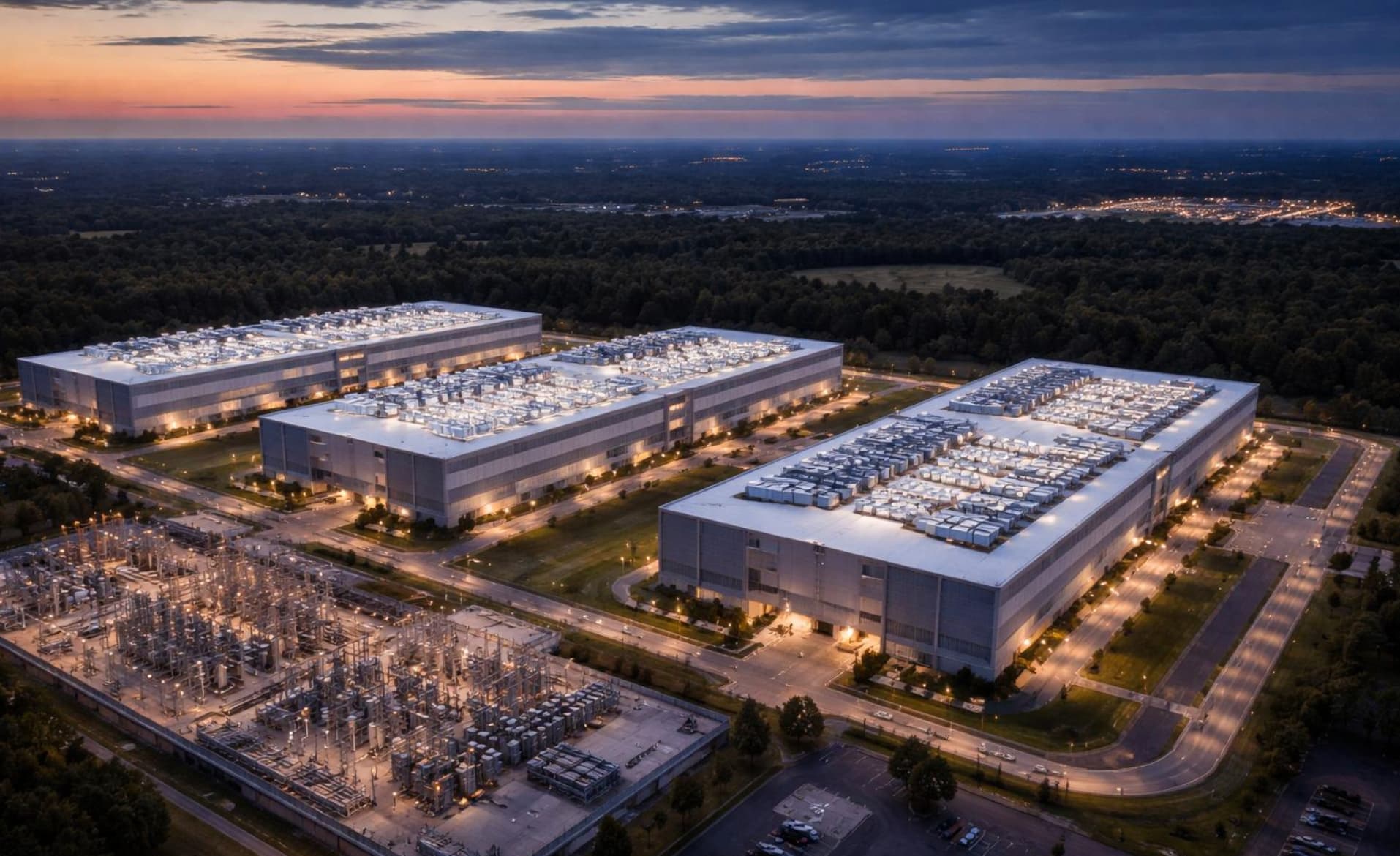
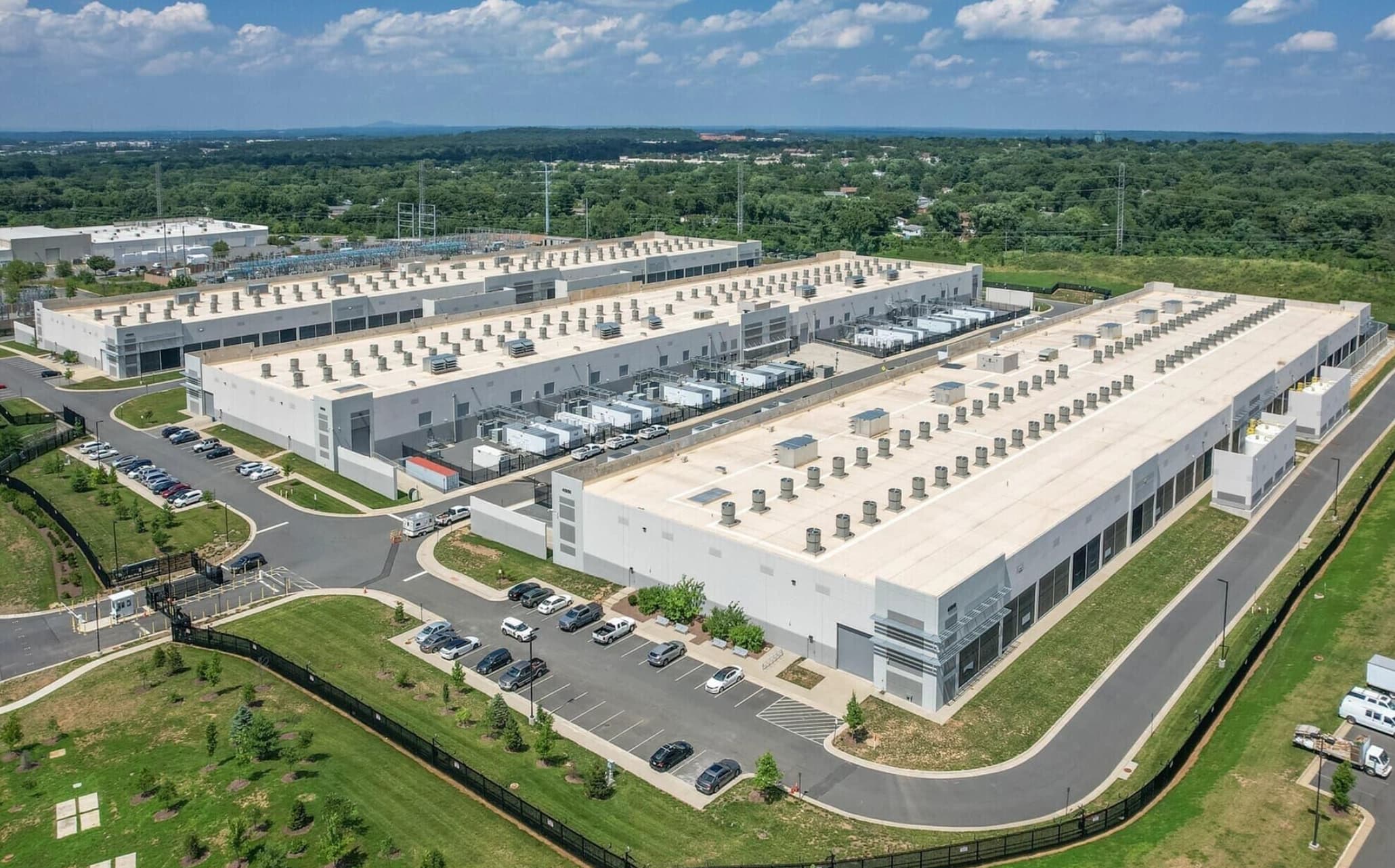
The problem is the capital intensity required to sustain that growth. Amazon spent $75.9 billion in a single quarter on capex — the vast majority directed at AWS data center buildout and AI infrastructure. That figure is not a one-quarter anomaly; it is a structural commitment to winning the AI infrastructure war before the capacity window closes. TSMC's ongoing allocation crunch, where Nvidia, Apple, AMD, and Broadcom are fighting over fab space, underscores why Amazon is spending now rather than waiting. The companies that lock in infrastructure capacity in 2026 and 2027 will have a structural advantage in the AI services market through the end of the decade.
The Free Cash Flow Trap
Here is where the bull thesis gets complicated, and where sophisticated traders need to focus: operating income of $28.1 billion at a 13.9% record margin sounds spectacular. Free cash flow tells a different story. When a company spends $75.9 billion in quarterly capex against $28.1 billion in operating income, it is not generating free cash flow — it is consuming it at an extraordinary rate. Amazon's capital allocation is a bet that the AI infrastructure it is building today will generate compounding returns over a multi-year horizon that justify the near-term FCF destruction. That bet may be correct. It requires the market to extend patience on a timeline that most institutional investors do not naturally extend to a company of Amazon's size and maturity.
The Q4 guidance range — $240 billion to $247 billion in revenue, $28.5 billion to $33.5 billion in operating income — is wide enough to suggest management has genuine uncertainty about the pace of AI services monetization in the back half of the quarter. The midpoint of that operating income range implies roughly flat sequential margin performance, which is not the inflection toward FCF generation that bulls need to see. If Q4 capex comes in at or above Q3's $75.9 billion level, the free cash flow hole deepens further, and the 11% after-hours drop may look in retrospect like an undershoot of the appropriate valuation adjustment.
The structural question running underneath all of this is whether Amazon is building infrastructure for a demand wave that arrives on the timeline Jassy is projecting, or whether it is overbuilding into a cycle that inflects slower than expected — the same question the market is implicitly asking every hyperscaler that is spending at this scale in 2026. Microsoft's Azure and Google's GCP are making similar capital commitments. The difference is that neither reported a headline EPS miss in the same week. Amazon walked into this earnings call with the wind at its back operationally and walked out with a credibility gap on capital discipline.
What Traders Watch Next
The single most important number Amazon will report in Q1 2027 is not revenue, not operating income, and not AWS growth rate — it is free cash flow. Specifically, whether the massive capex investments of 2026 begin to produce FCF inflection by mid-2027 is the test that will determine whether the 11% after-hours drop was a buying opportunity or the beginning of a prolonged multiple compression cycle. Jassy's trillion-dollar revenue projection is a ten-year story. FCF inflection is a twelve-month story. The market will trade the shorter timeframe.
Watch the Q4 earnings call, scheduled for early February 2027, for any change in capex guidance language. If Amazon signals that quarterly capex is plateauing near the $75–$80 billion range rather than continuing to climb, that is a constructive signal that the investment phase is maturing. If capex guidance comes in above $80 billion for Q1 2027, expect the market to reprice the stock lower regardless of AWS growth rates. The specific level to monitor on AMZN shares is the pre-earnings close — an 11% gap down puts the stock at a technically vulnerable position heading into the holiday quarter, and any Q4 data point suggesting AWS growth decelerated below 37% would constitute a second negative catalyst before the FCF story has a chance to play out. The AI infrastructure trade is not broken; Amazon's balance sheet is just making it more expensive to believe in.
The Weekly Investor
Daily market analysis for active traders. Free.