2026 ETF Launches On Pace for 1,200 as Income Funds Surge
Over 450 ETFs launched in 2026 with YieldMax funds paying up to 55% annualized yields. DRAM hit $3B AUM in weeks as thematic launches explode.
Key Points
- More than 450 ETFs have launched in 2026, putting the industry on pace for 1,200 total launches — a record — with AI-themed and income-focused products leading the wave.
- YieldMax's SLTY declared a $0.2157/share weekly distribution today, annualized at 55.32%, headlining a crop of option-income ETFs with double-digit yields.
- Traders should watch whether Fidelity's aggressively priced active ETF lineup — 23 to 28 basis points — begins to compress margins across the active management ETF category.
The U.S. ETF industry is on pace to launch 1,200 funds in 2026, and Wednesday's distribution announcements from YieldMax — including a 55.32% annualized yield from SLTY and 42.55% from CHPY — underline exactly what's driving that volume: retail investors are chasing income at a pace that product manufacturers are sprinting to meet.
A Record Year, By Every Measure
More than 450 ETFs have crossed the launch threshold in 2026 through early October, and the industry's internal projections now point to 1,200 total launches by December 31 — a number that would shatter prior annual records and nearly double the pace of 2024's already-elevated activity. The product categories leading the wave are not subtle: AI-themed funds, option-income strategies, space and defense plays, and actively managed fixed-income ETFs are the four lanes moving fastest. Nearly 100 new thematic ETFs have launched since the end of Q1 alone, a rate of roughly one new thematic product every business day for six consecutive months.
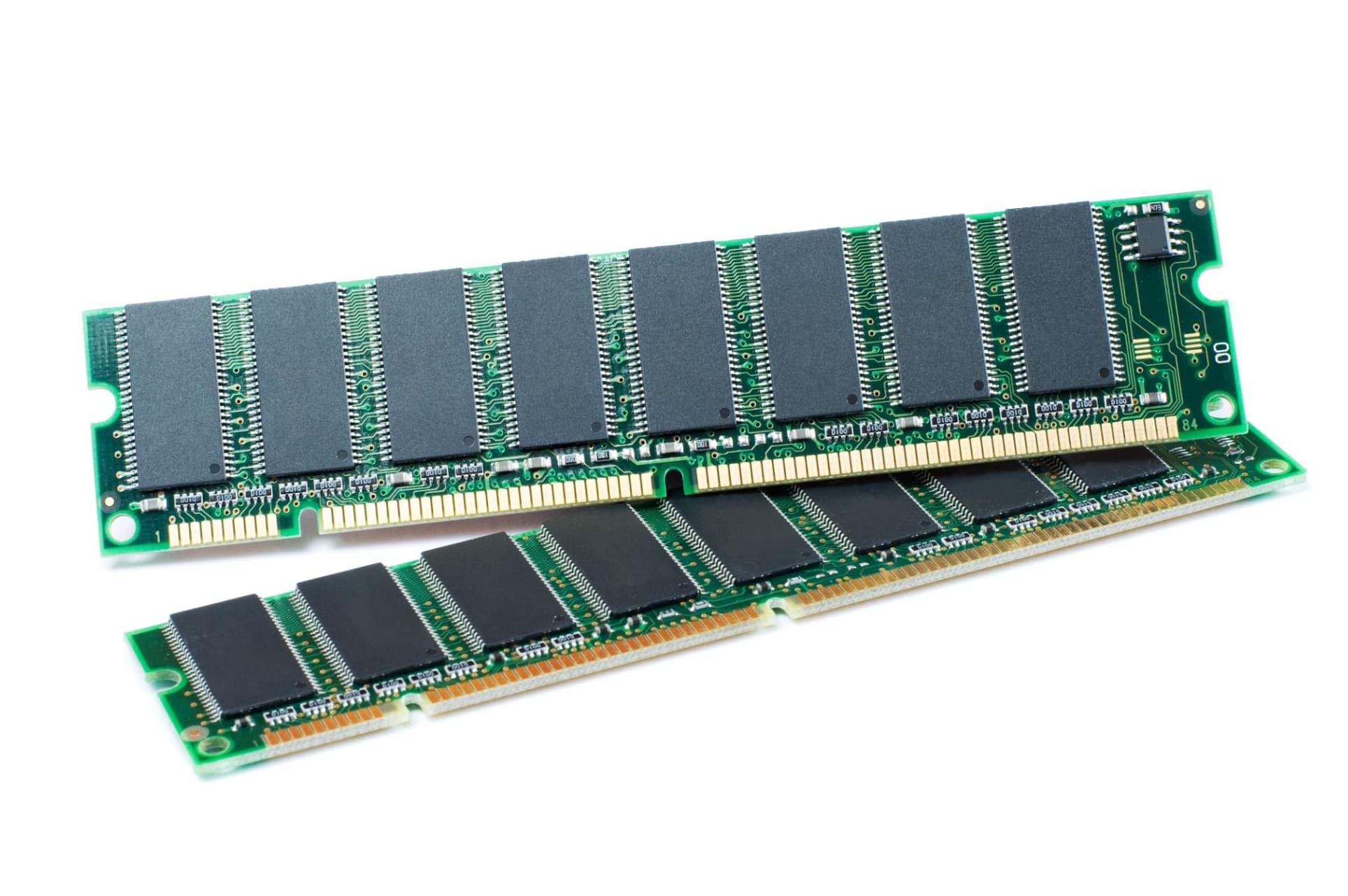
The standout asset-gathering story of the year belongs to Roundhill Memory ETF — ticker DRAM — which hit $1 billion in AUM in just 10 days after launch and has since grown to $3 billion. The fund targets AI infrastructure through memory and storage semiconductor exposure, and its trajectory reflects a broader investor conviction that the picks-and-shovels angle on AI has more runway than pure-play software names. Procure Space ETF has its own compelling arc, growing from $50 million to $700 million in assets as retail investors position ahead of what many expect to be a landmark SpaceX IPO. When a single anticipated corporate event can drive seven-fold AUM growth in a thematic ETF, it illustrates how efficiently the ETF wrapper now translates speculative narratives into investable products.
The week ended October 1 added several launches that deserve attention beyond their initial press releases. T. Rowe Price's Dynamic Emerging Markets Bond ETF (TDEM) and iShares' Enhanced Emerging Markets Equity Active ETF (ENHE) both represent large-name asset managers making active moves into ETF structures in the EM space — a category that has historically been dominated by passive index replication. Bitwise's NEAR ETF (NRR), targeting the NEAR Protocol blockchain ecosystem, arrived the same week Bitwise was simultaneously winding down its Ethereum-Treasuries rotation product AETH, whose last trading day was October 2. The simultaneity — one crypto ETF closing, another opening — is a live example of how quickly the product lifecycle is compressing in the digital asset ETF space.
YieldMax's Income Machine
Today's YieldMax distribution announcements are the kind of numbers that stop income-focused retail traders mid-scroll. SLTY — the Ultra Short Option Income Strategy ETF — declared $0.2157 per share for the week, translating to a 55.32% annualized yield. CHPY, the Semiconductor Portfolio Option Income ETF, declared $0.5847 per share at 42.55% annualized. YRAM, targeting Memory and Storage, declared $0.4214 per share at 40.16% annualized. YMAX, the fund-of-funds wrapper for the YieldMax ecosystem, declared $0.0603 per share at 40.67% annualized.
These yields are not free money, and experienced traders understand the mechanic: YieldMax funds generate income by selling covered call options on individual stocks or baskets, capping upside participation in exchange for premium income. In a range-bound or modestly declining market, the strategy delivers. In a sharp rally — like the kind AI-driven semiconductor names have produced in 2026, with XLK up 36.82% YTD — covered call structures surrender significant return potential. CHPY's 42.55% annualized distribution sounds compelling until you compare it against SMH's outright price appreciation in a year when Nvidia closed at $239.51 and semiconductor indices are near records. The income comes at a cost, and that cost is measured in foregone capital gains.
That caveat hasn't slowed demand. The YieldMax product suite has expanded aggressively in 2026, with the addition of MUY — the Micron Technology option income ETF — in the most recent launch window. Fidelity is also moving aggressively into the active ETF space, launching four new systematic active funds — FSEG, FEMG, FSEV, and FEMV — priced at 23 to 28 basis points. Those expense ratios represent a direct competitive challenge to traditional active managers charging 50 to 100 basis points for comparable strategies, and they signal that the major asset management platforms are no longer content to cede the active ETF lane to boutique operators.
Where the Money Is — and Where It's Going
September's monthly ETF flow data provides the macro backdrop against which all these launches are competing for capital. According to data tracked across the industry, SPY led all ETFs with $10.7 billion in September inflows, followed by SGOV at $6.8 billion and IUSB at $5.7 billion. Municipal bond ETFs — VTEB at $4.6 billion and MUB at $3.7 billion — rounded out the top five, a pattern that reflects continued high-net-worth demand for tax-efficient income as year-end approaches. The fixed-income and municipal bid is real, structural, and directly relevant to any new income-focused ETF launch trying to capture wallet share in Q4.
On the flip side, the September outflow data is a useful corrective for launch enthusiasm. VOO shed $12.6 billion — the largest single-fund outflow of the month — suggesting large institutional rebalancing away from passive S&P 500 exposure. MTUM lost $5.3 billion, and QQQ dropped $4.8 billion despite the Nasdaq-100 hitting a record. DRAM itself, despite its $3 billion AUM milestone, shed between $1.6 billion and $1.7 billion in September outflows — a reminder that fast asset accumulation and fast asset departure can coexist in the same fund when speculative positioning dominates the holder base.
The trajectory of the thematic ETF wave in Europe adds another dimension: cybersecurity ETFs led all European thematic categories with €128.5 million in inflows and posted the best thematic performance at +5.11% for the week. U.S. issuers are watching those numbers closely, and several cybersecurity-focused ETF filings are working through the SEC pipeline for Q4 launches. The critical date for the 2026 record count is November 15 — at current pace, the industry crosses 900 total launches by that point, making the 1,200 full-year projection not just achievable but potentially conservative. Traders evaluating new launches should focus on AUM trajectory in the first 30 days; funds that fail to reach $100 million in that window in the current environment face meaningful closure risk within 18 months.
The Weekly Investor
Daily market analysis for active traders. Free.